 Future Antique Gallery
FUTURE ANTIQUE GALLERY

FERDINANDO MECCANI
(1937 - 2018)
Design, Painting, Sculpture, Architecture
Ferdinando was born in Cascina (Pisa), Italy in 1937.
He graduated from the State Institute of Art of Cascina and then from the Art Institute of Florence in Decor obtaining the title of Magistery for the teaching of art in schools.
He comes from a family of wood artisans; his father owned an artisan carpentry in Cascina, "Mobilificio Meccani Marino", thanks to which he was able, starting from the end of the 1950s, to express his exceptional qualities in Design and planning.
In the 60s and 70s Ferdinando transformed the family carpentry into a high quality artisan company able to meet the needs of customers and realize the ideas and projects he proposed.
The experience in the Calamai Company in Florence immediately after graduation, in the 50s and in the first part of the 60s, the enthusiasm for Design, for Art in general, in particular painting, the Avant-gardes of the time and an innate artistic talent in addition to the climate that was breathed in the village of Cascina where there were many furniture companies, will allow the young Meccani to enhance all his professional qualities from Design to Art to Architecture.
Over the years he will collaborate with world-renowned artists, designers and architects such as Ettore Sottsass, Michael Graves, Paolo Portoghesi, Ugo La Pietra, Adolfo Natalini, Lanfranco Benvenuti, Masao Noguchi as well as others.
Throughout his career, Ferdinando Meccani has distinguished himself for his exceptional design skills and creativity.
Among the greatest Italian designers of his time, he was a Master of his craft and had an eye for the details that made his projects stand out.
The technical knowledge of wood craftsmanship and the context in which he lived in addition to the appreciation and knowledge of the work of authors such as Carlo Scarpa, exalted the search for detail accompanied by the geometry, symmetry and "graphic cleaning" of his projects. His work was highly sought after and appreciated already in the early 60s and many projects were commissioned to him, including private public furnishings, interiors, exhibitions, etc.
The knowledge and enthusiasm for Lucio Fontana's works, already from the 60s, is visible in some of his most beautiful and iconic design pieces where perspective, the monoliths dug, space, the dark light transform the spatial object into a work suspended between Design and Art where shadows and points of view take on a relevant importance transmitting emotions.
The projects were characterized by elegance, simplicity and functionality. He believed that good design should be accessible to everyone and should improve the quality of life.
His works were not only aesthetically beautiful, but also practical and easy to use.
Ferdinando Meccani's contribution to the world of design has been remarkable and significant and his legacy continues to inspire today's designers.
It disappeared in 2018 leaving a rich body of works that will continue to influence the design industry for years to come.
Ferdinando nasce a Cascina (Pisa), Italia nel 1937.
Si diploma all'Istituto Statale d'Arte di Cascina e successivamente all'Istituto d'Arte di Firenze in Decor conseguendo il titolo di Magistero per l'insegnamento dell'arte nelle scuole.
Proviene da una famiglia di artigiani del legno; il padre possedeva una falegnameria artigianale a Cascina, "Mobilificio Meccani Marino", grazie alla quale ha potuto, a partire dalla fine degli anni '50, esprimere le sue eccezionali qualità nel Design e nella progettazione.
Negli anni '60 e '70 Ferdinando trasforma la falegnameria di famiglia in una Ditta artigianale di alto livello qualitativo in grado di soddisfare le esigenze dei clienti e di realizzare le idee ed i progetti che lui proponeva.
L'esperienza nella Ditta Calamai di Firenze subito dopo il diploma, negli anni '50 e nella prima parte degli anni '60, l'entusiasmo per il Design, per l'Arte in generale, in particolare la pittura, le Avanguardie del tempo e un'innato talento artistico oltre al clima che si respirava nel paese di Cascina dove vi erano tante ditte di arredamento, consentiranno al giovane Meccani di esaltare tutte le sue qualità professionali dal Design all'Arte fino all'Architettura.
Nel corso degli anni collaborerà con artisti, designer ed architetti di fama mondiale come Ettore Sottsass, Michael Graves, Paolo Portoghesi, Ugo La Pietra, Adolfo Natalini, Lanfranco Benvenuti, Masao Noguchi oltre ad altri.
Nel corso della sua carriera, Ferdinando Meccani si è distinto per le sue eccezionali capacità progettuali e la sua creatività.
Tra i più grandi designer italiani del suo tempo, era un Maestro del suo mestiere ed aveva un occhio di riguardo per i dettagli che facevano risaltare i suoi progetti.
La conoscenza tecnica dell'artigianato del legno ed il contesto in cui viveva oltre all'apprezzamento e conoscenza dell'opera di autori come Carlo Scarpa, esaltavano la ricerca del dettaglio accompagnata dalla geometria, simmetria e "pulizia grafica" dei suoi progetti.
Il suo lavoro era molto ricercato ed apprezzato già nei primi anni '60 e gli venivano commissionati molti progetti, tra cui arredamenti pubblici privati, interni, mostre, ecc.
La conoscenza e l'entusiasmo per le Opere di Lucio Fontana, già a partire dagli anni '60 è visibile in alcuni tra i suoi pezzi più belli ed iconici di design dove la prospettiva, i monoliti scavati, lo spazio, i chiaro scuri trasformano l'oggetto spaziale in un'opera sospesa tra Design ed Arte dove le ombre e i punti di vista assumono un'importanza rilevante trasmettendo emozioni.
I progetti erano caratterizzati da eleganza, semplicità e funzionalità.
Credeva che il buon design dovesse essere accessibile a tutti e dovesse migliorare la qualità della vita.
Le sue opere non erano solo esteticamente belle, ma anche pratiche e di facile utilizzo.
Il contributo di Ferdinando Meccani al mondo del design è stato notevole e significativo e la sua eredità continua ad ispirare i designer di oggi.
È scomparso nel 2018 lasciando un ricco corpus di opere che continuerà ad influenzare l'industria del design per gli anni a venire.
Some works of design and paintings
Corinto Table, 1978


Old Catalog photo Meccani 70s and 80s, Meccani Archive

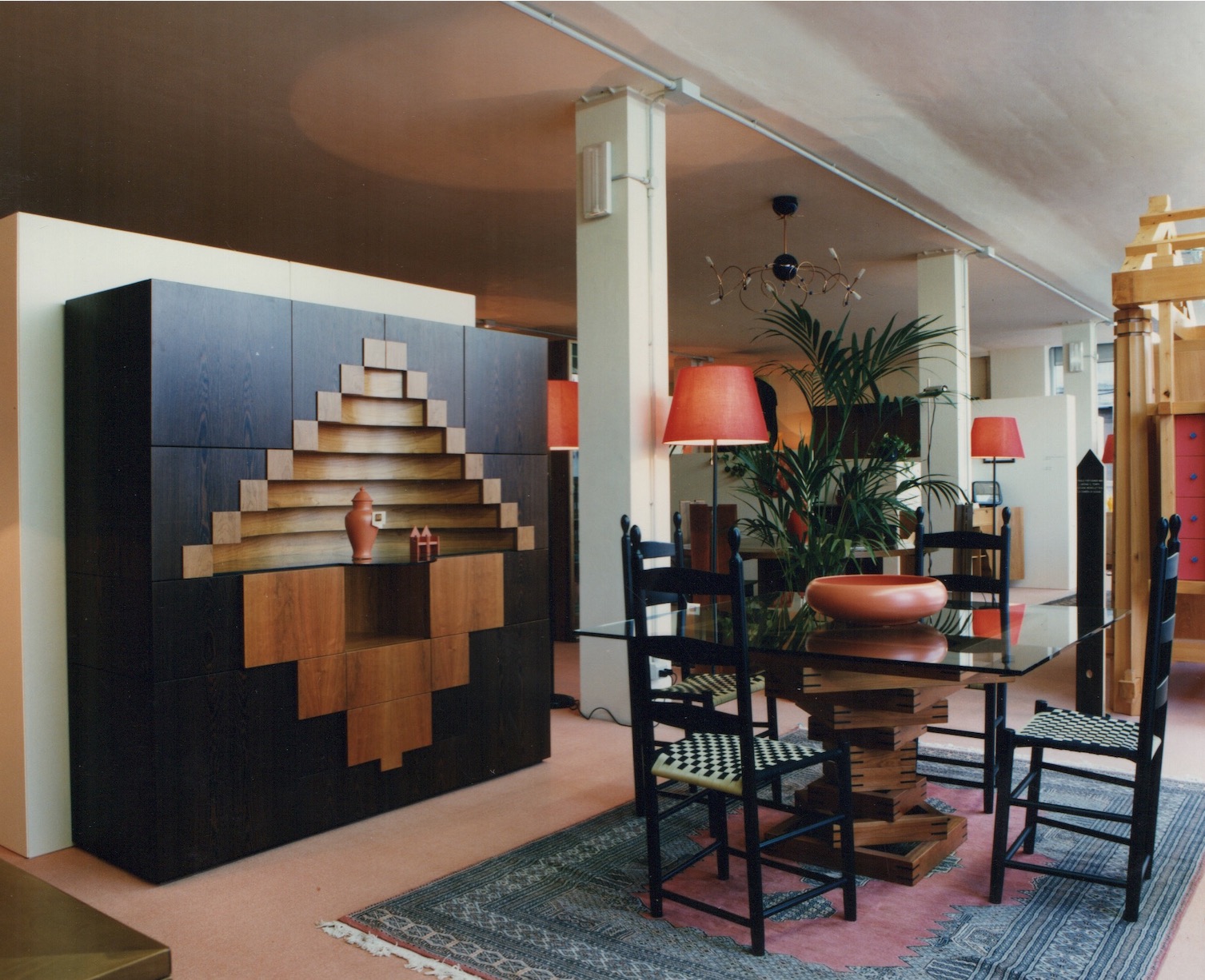
Corinto, sideboard and table in wenge and cherrywood.
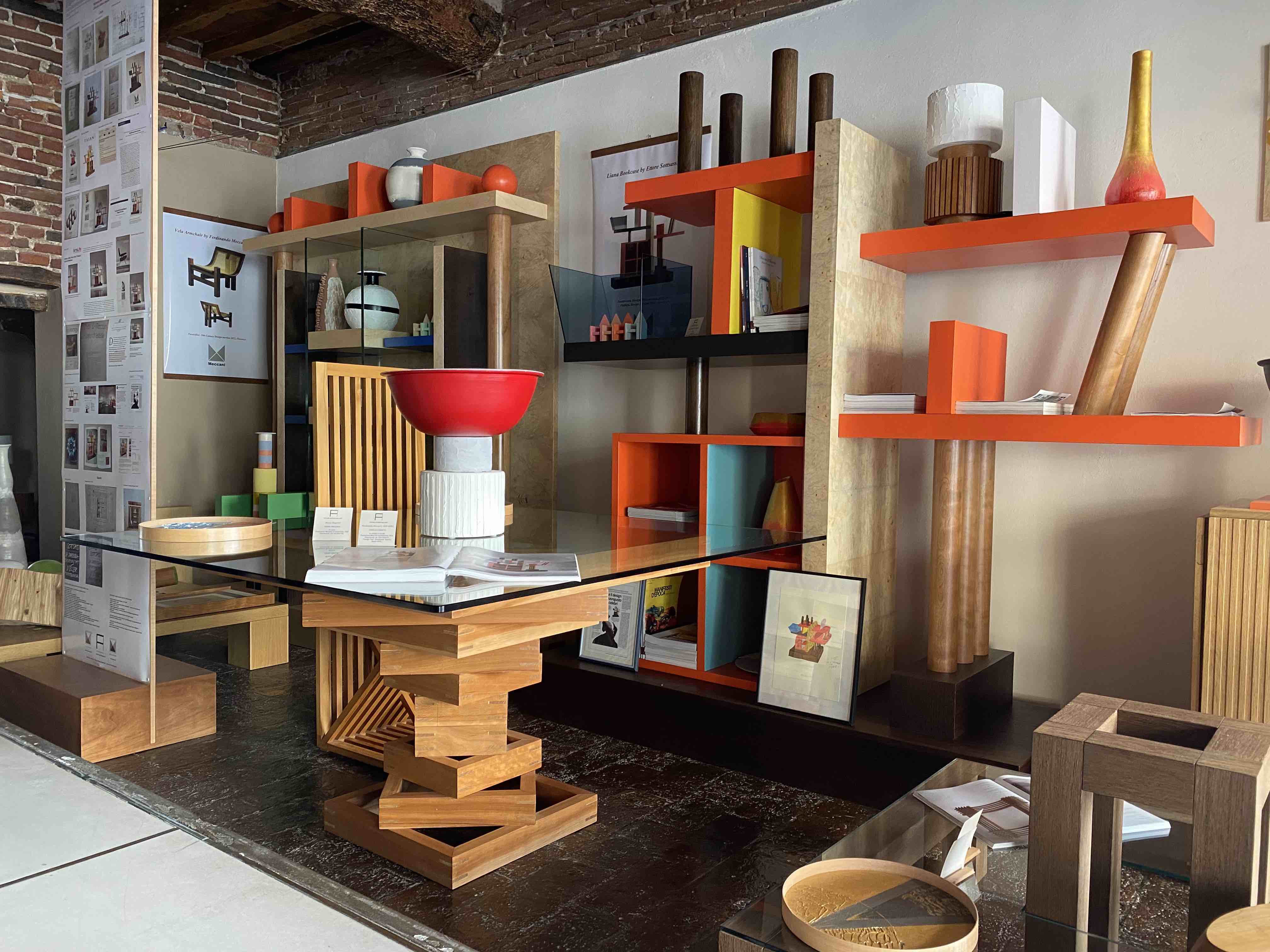
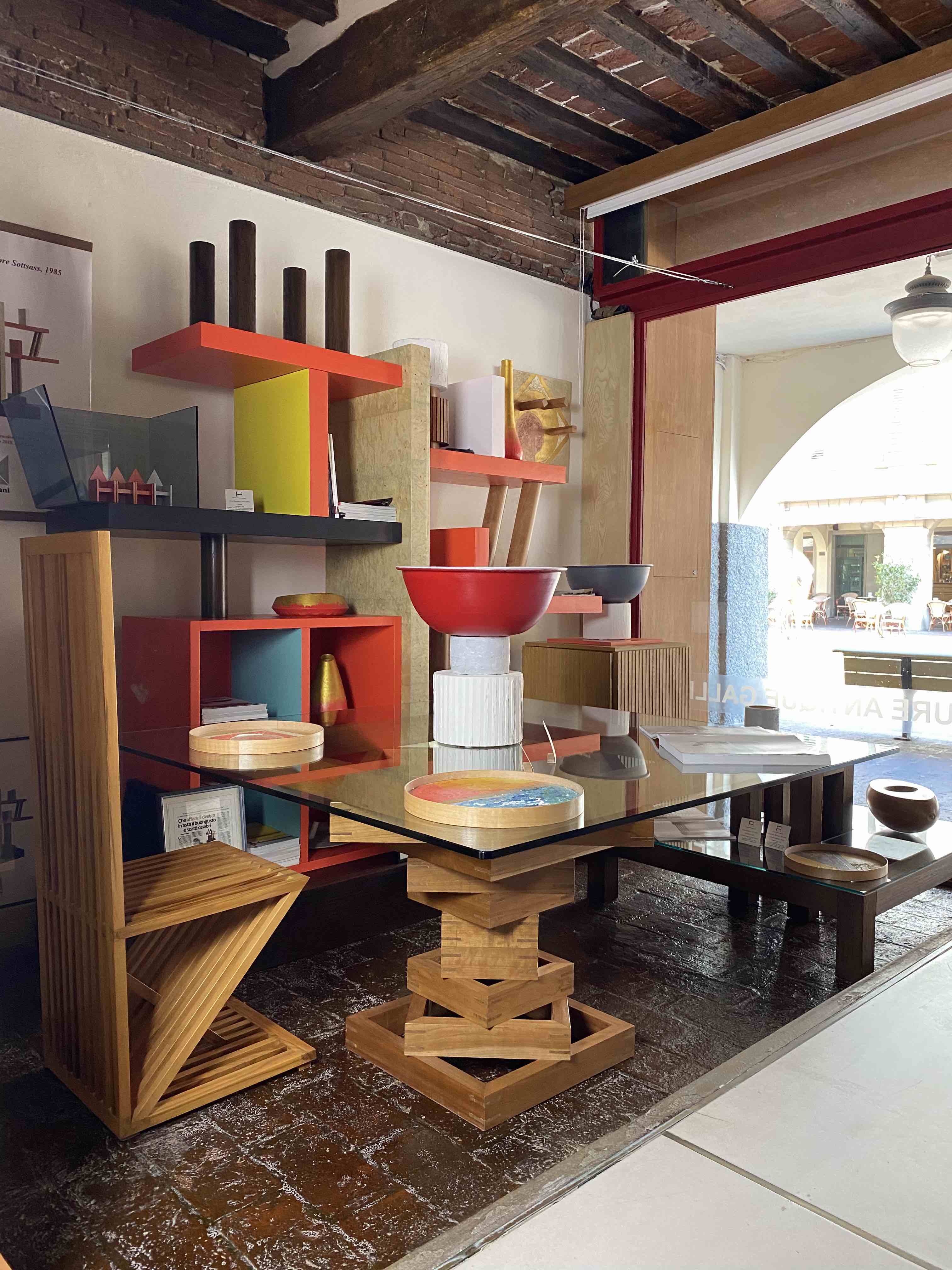
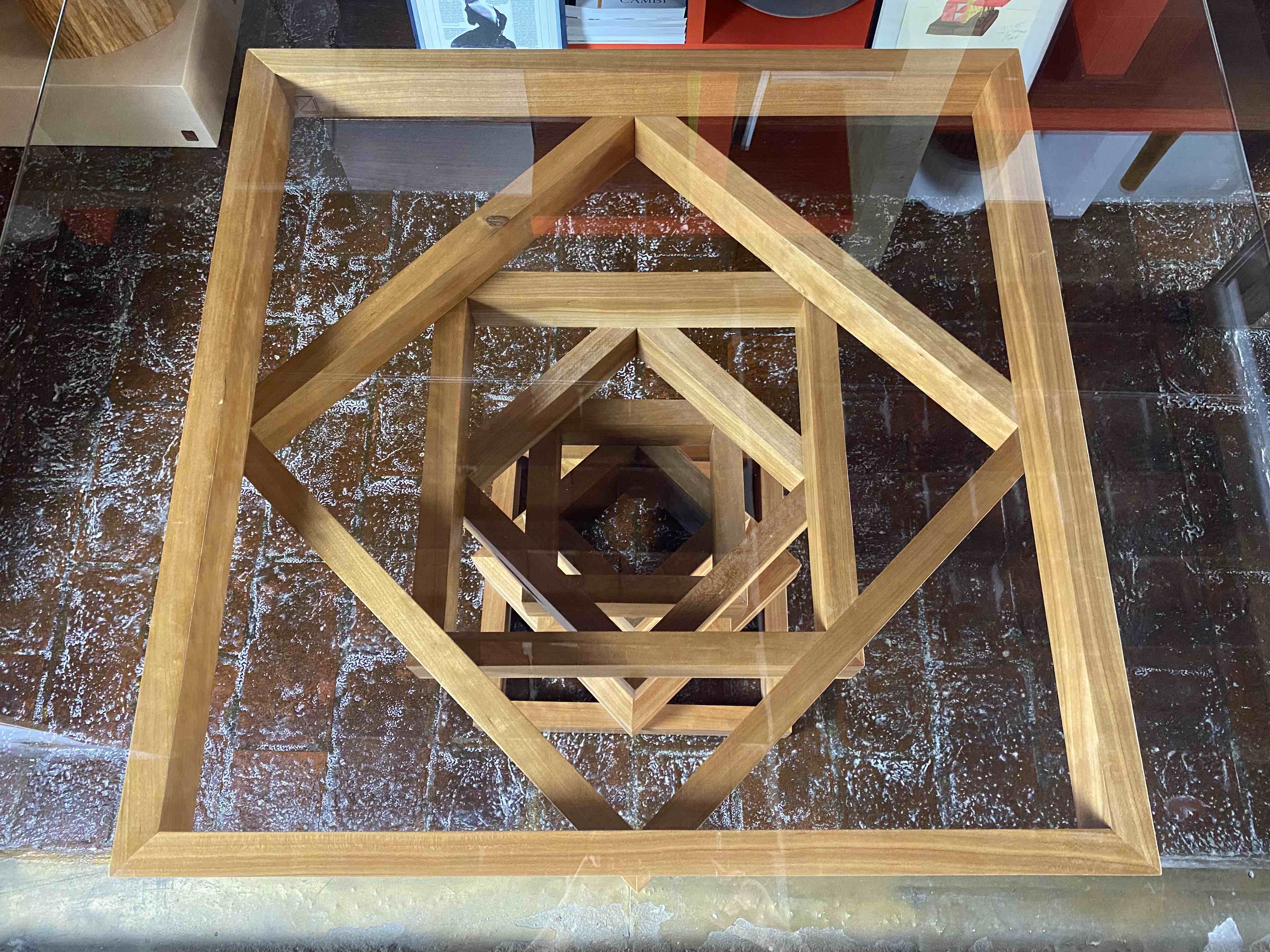
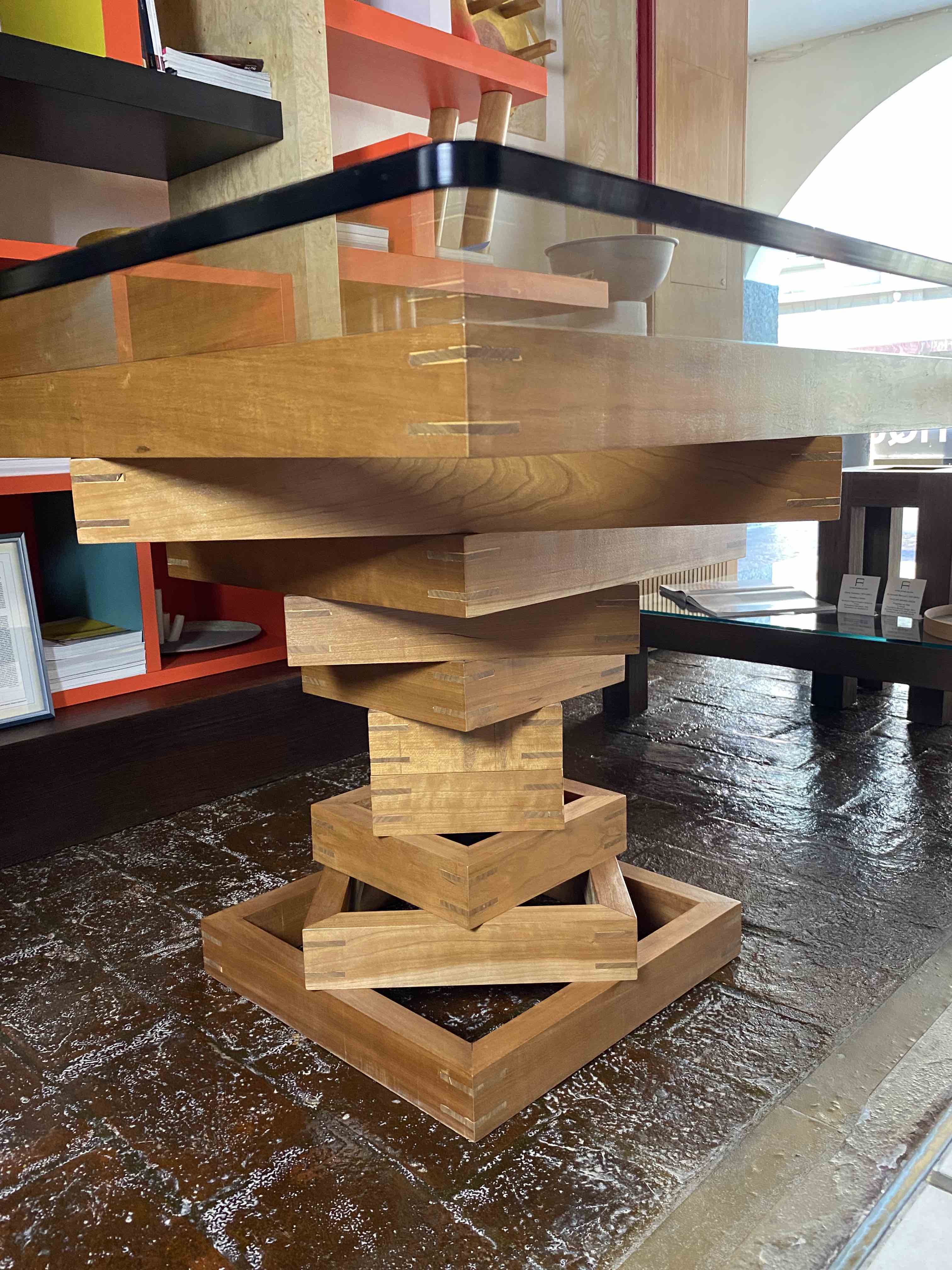
Corinto Table, 1978
cm 135 x 135 x h 74
Square table with glass in cherry-wood and wengè.
The Corinto table participated in the Dorotheum "Design First" auction in Vienna , 2018 .
The table , in solid cherrywood with walnut or wenge' inlays .
The "Corinto" table was designed together with the "Corinto" sideboard at the end of the 1970s, in 1978. It was presented at one of the first editions of the Firenze Arreda Exhibition in Florence.
The design of the table and sideboard is based on squares rotated by 45°; a perfect shape that is re-proposed in detail from different points of view.
In the sideboard, the figure of the square contrasts with the curves of the central part where the volume is excavated.
Geometry, square and circle … in search of perfect symmetry.


Casa Vogue April 1989 n. 207


Dorotheum Design First 2018


Cambi Design 200, 2023

Piasa Design 2024


Corinto tables in our Gallery

Corinto table in wengé with maple inlays, 1978
Triangolare Sideboard, 1970


Archive document, publication of the 1970s newspaper


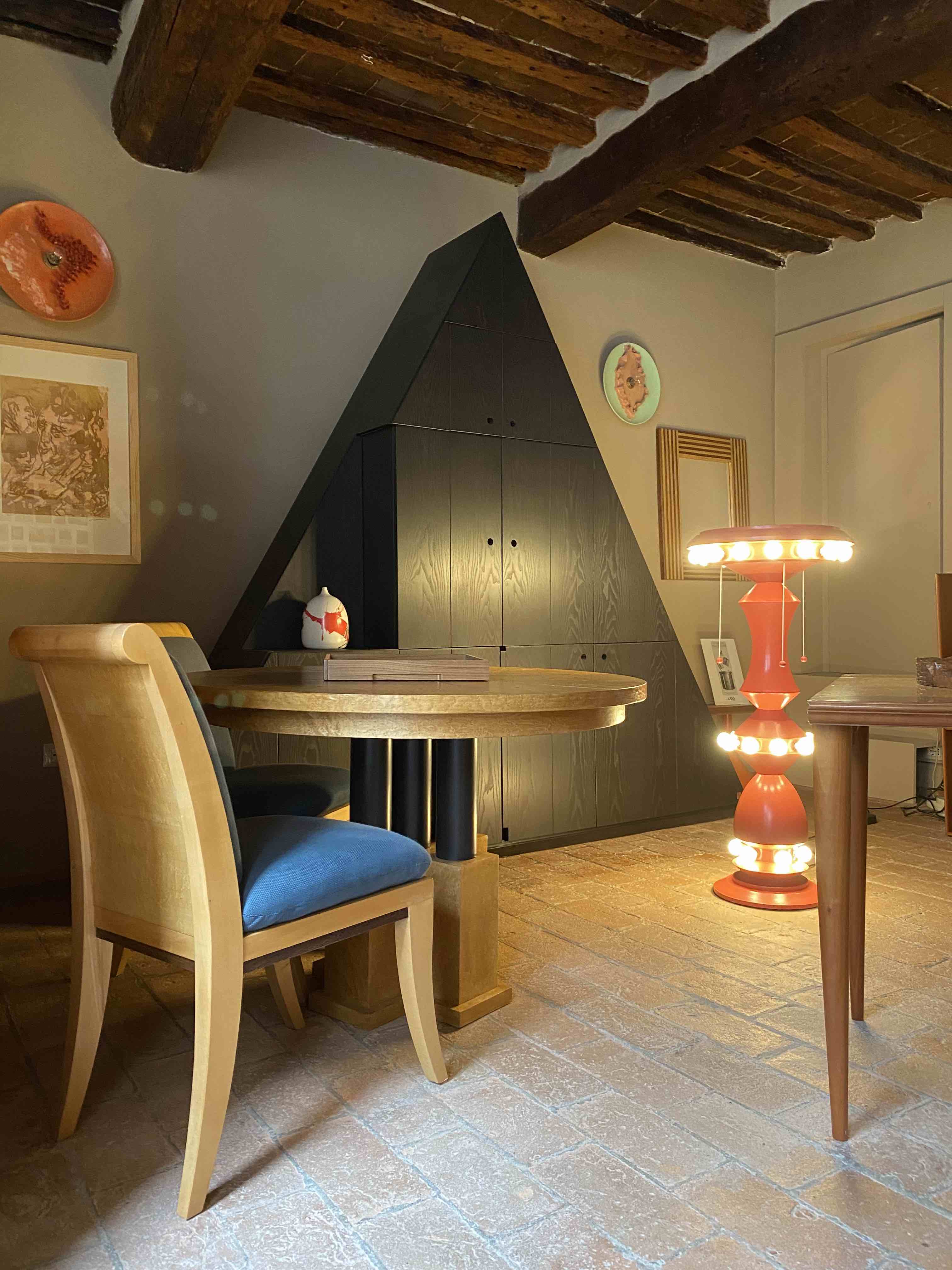
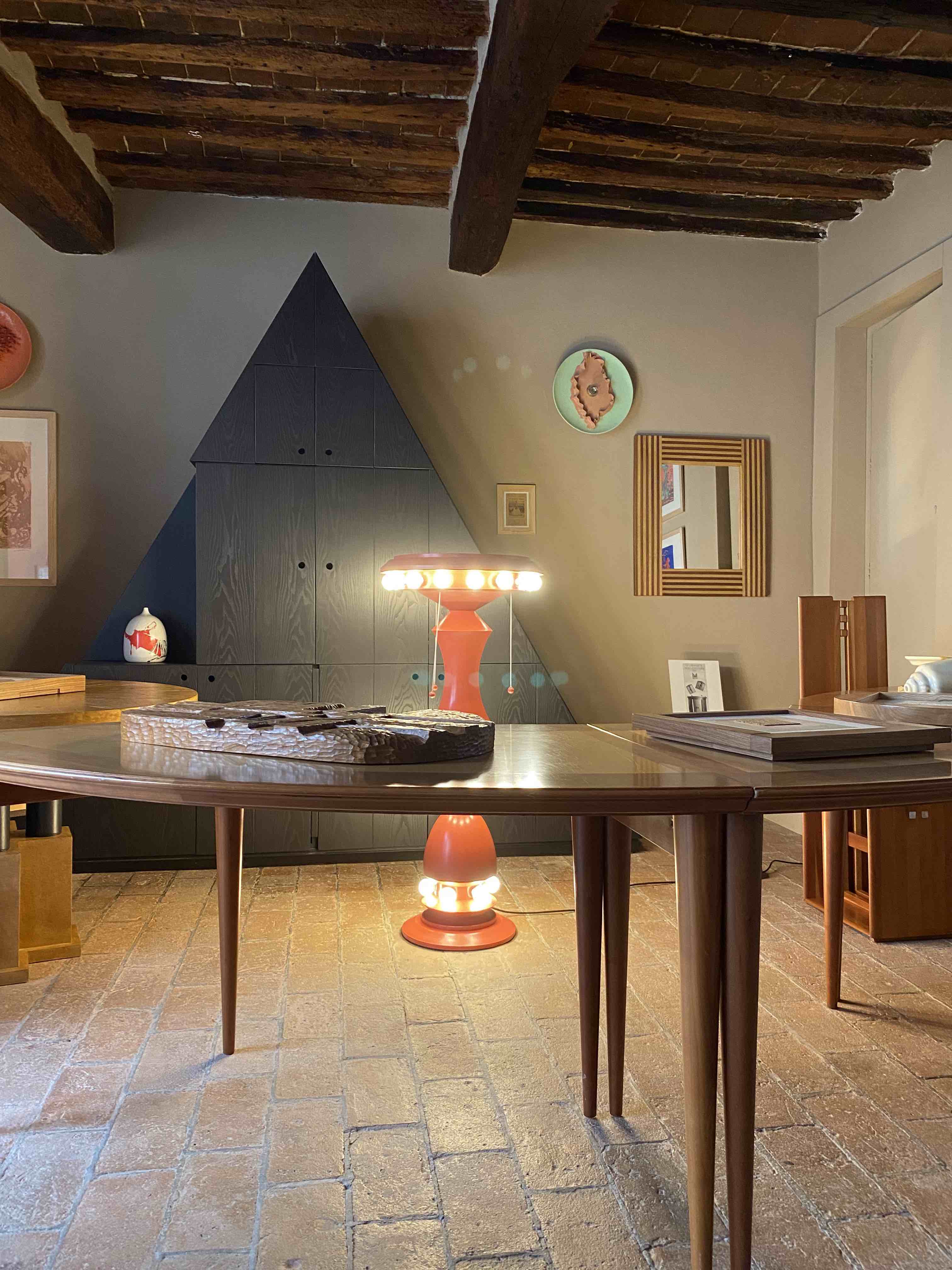
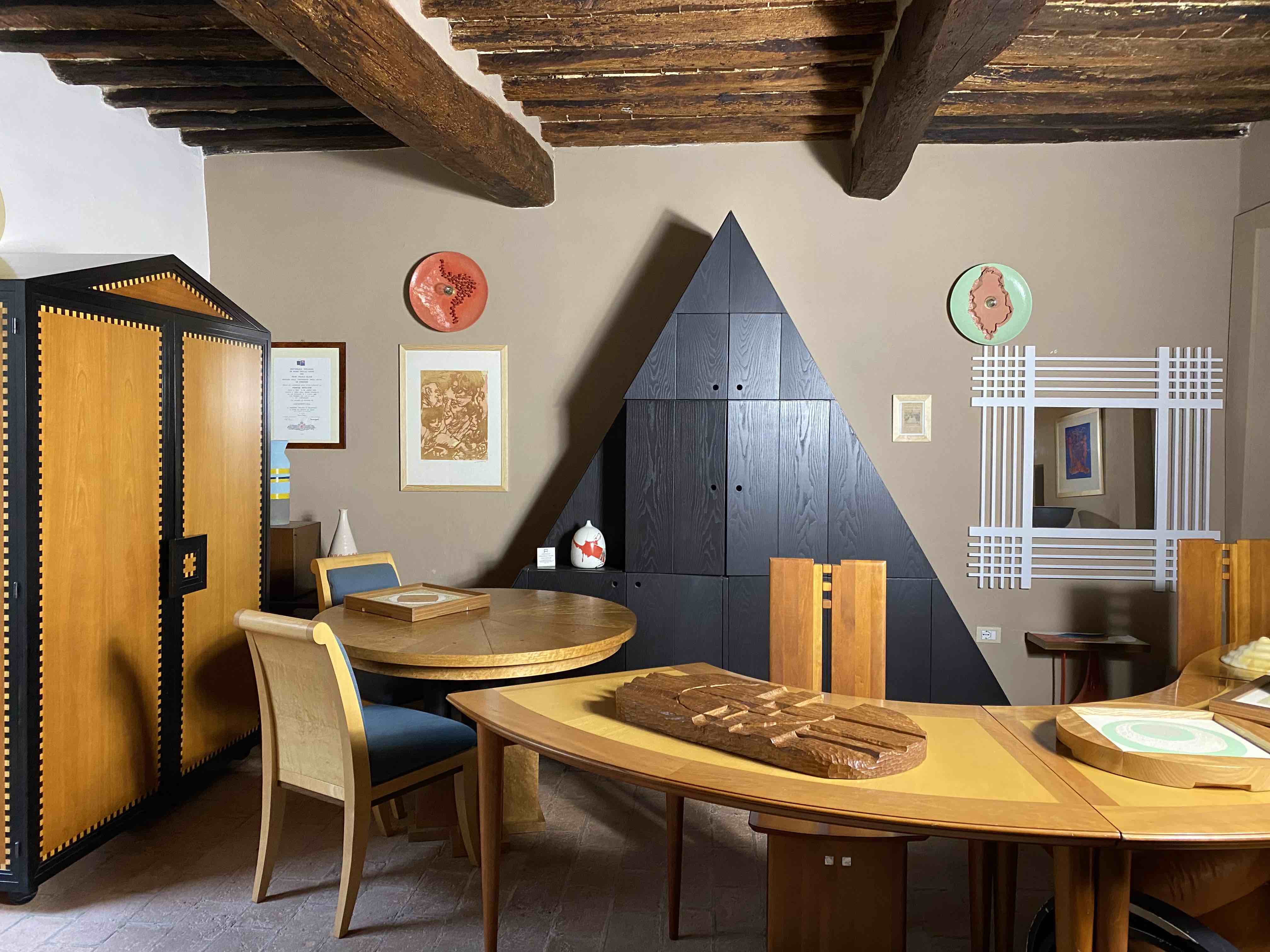
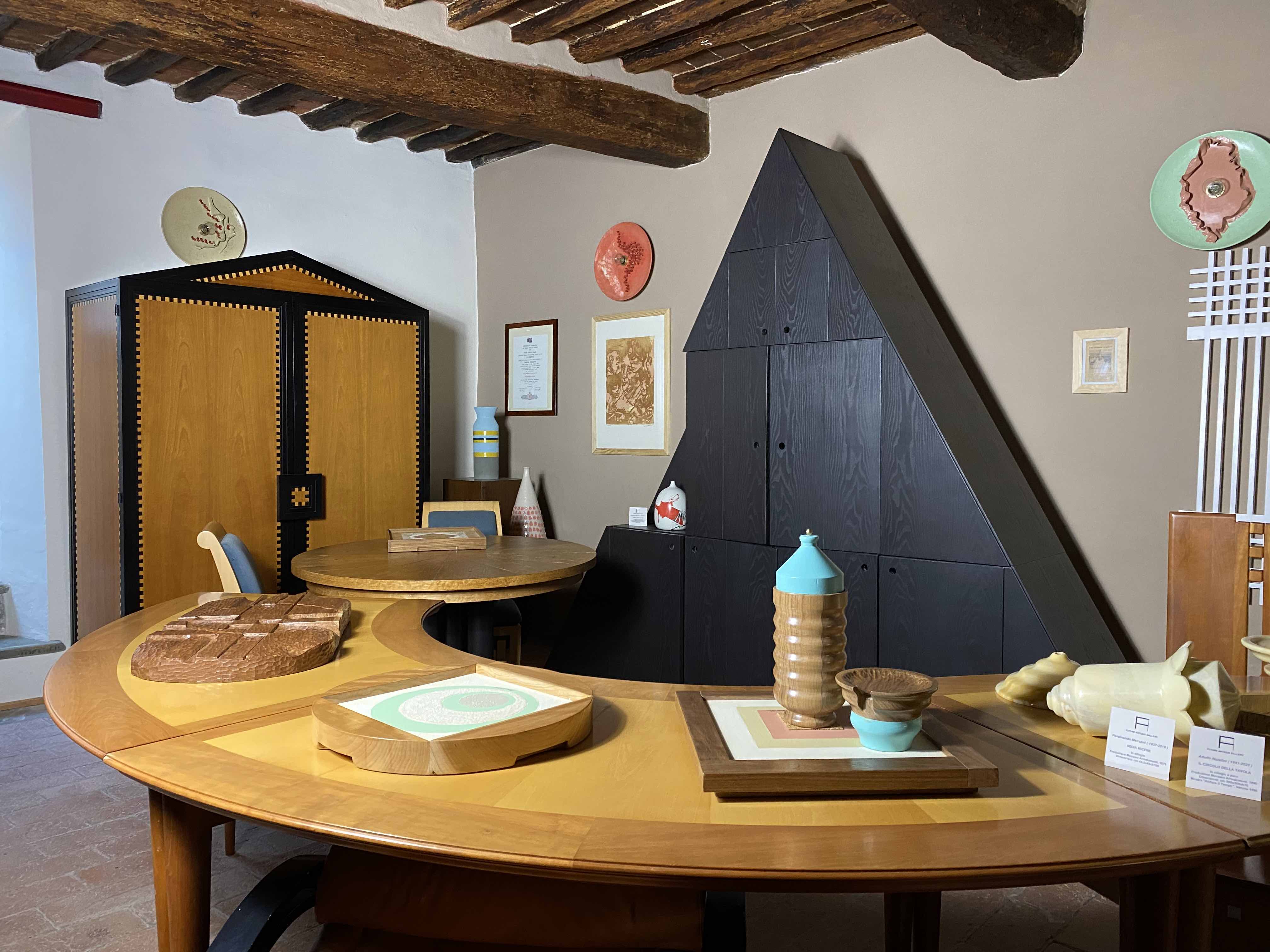
Triangolare Sideboard, 1970
cm 264 x 51,5 x h 235,5
Lacquered sideboard with 8 doors.
Single piece.
This triangle-shaped sideboard is a unique piece designed by Ferdinando Meccani in 1970 and made by the Meccani Company.
It has eight doors with internal shelves, it is made of black treated ash with an open pore.
A masterpiece of Italian design of the 20th century; a completely innovative language that united furniture design with sculpture, geometry and symmetry.
Created in the same period as the "Madia", the "Triangular Mobile" is an intersection of horizontal and vertical lines that meet the sides of the triangle.
Designed and built in 1970 , the sideboard created great curiosity when it was presented for the first time at the inauguration of the Mostra Artigiani Riuniti in Cascina .
A black equilateral triangle . It was not a provocation but the search for new shapes and colors for the time .
A large sideboard with eight doors and internal shelves , function and beauty starting from a pure form where the inclined lines intersect with horizontal and vertical signs .
It is a youthful work by Ferdinando Meccani which also experimented with new techniques in that period.

Corinto Sideboard, 1978


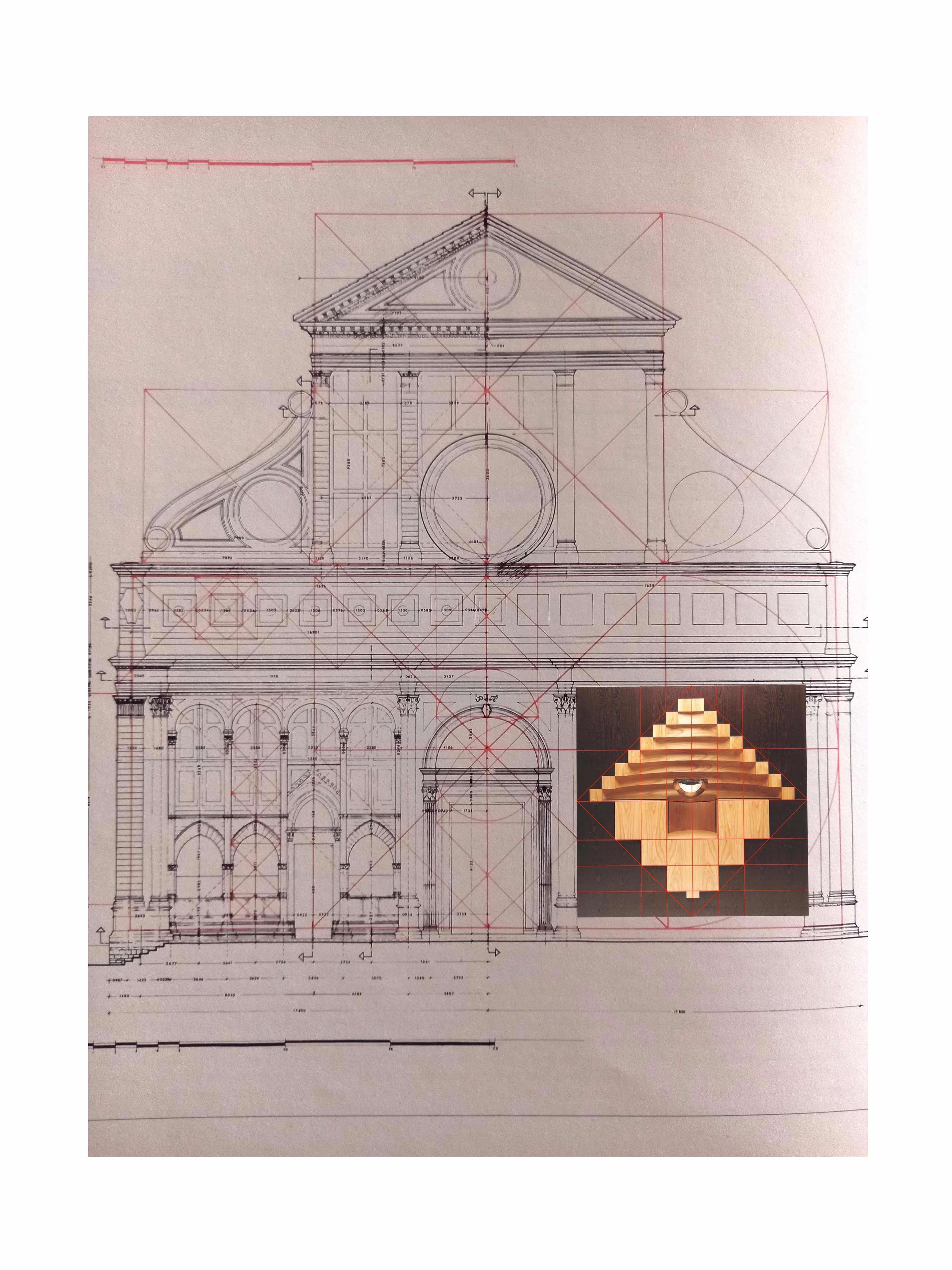
Symmetry, Geometry, Detail
S.Maria Novella, Florence
Leon Battista Alberti (1404-1472)
Corinto Sideboard, 1978
cm 180 x 58,5 x h 182
In wengè and cherrywood with 4 doors and 8 drawers.
Beautiful example of italian design from the 70s, geometry, symmetry and attention to detail.
Ferdinando Meccani, on glossy ink and pencil paper, draw a square, a marble monolith, a stone black, then a square within the square, symmetrical and proportional vertical and horizontal lines starting from a multiple of 10 cm.
The square rotates and intensifies in the central part; the search for detail and the cultural relationship with Carlo Scarpa is evident.
This series of vertical and horizontal lines, this picture, suddenly becomes three - dimensional: the lines generate drawers and doors, become function, become a piece of furniture.
But in the center of the square the block of marble is excavated, matter is removed, following Michelangelo and introducing the circle ...
The contrast between cherrywood and wenge' accentuates the symmetries of the sideboard.
The "Corinto" sideboard and table were presented at one of the first Editions of Firenze Arreda, at the Fortezza da Basso.
About ten sideboards have been realized in total.


Corinto Sideboard, 1978
cm 180 x 58,5 x h 182
In oak wood and maple with 4 doors and 8 drawers.
Unique piece in this essence.
Madia Sideboard, 1970
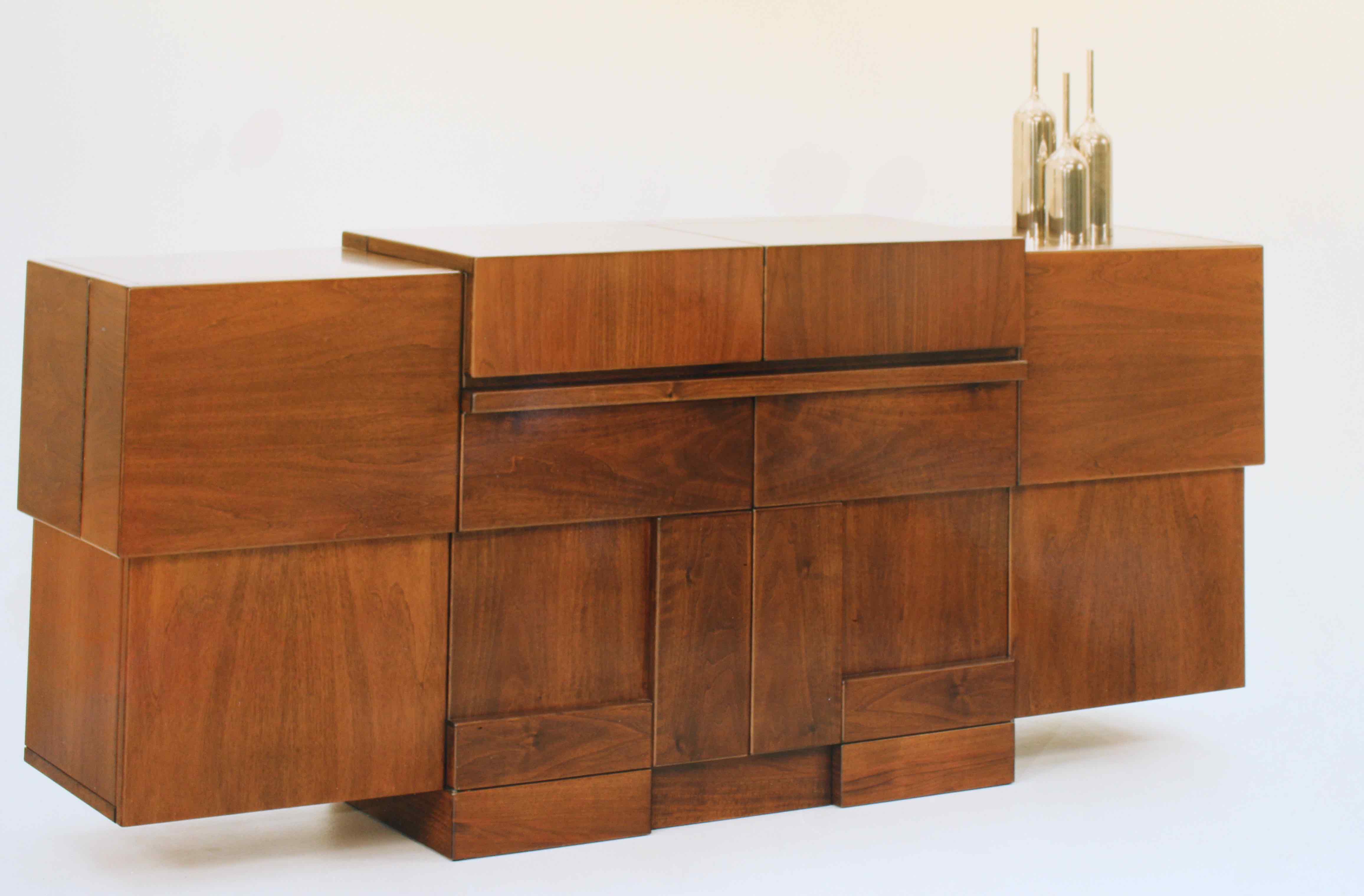
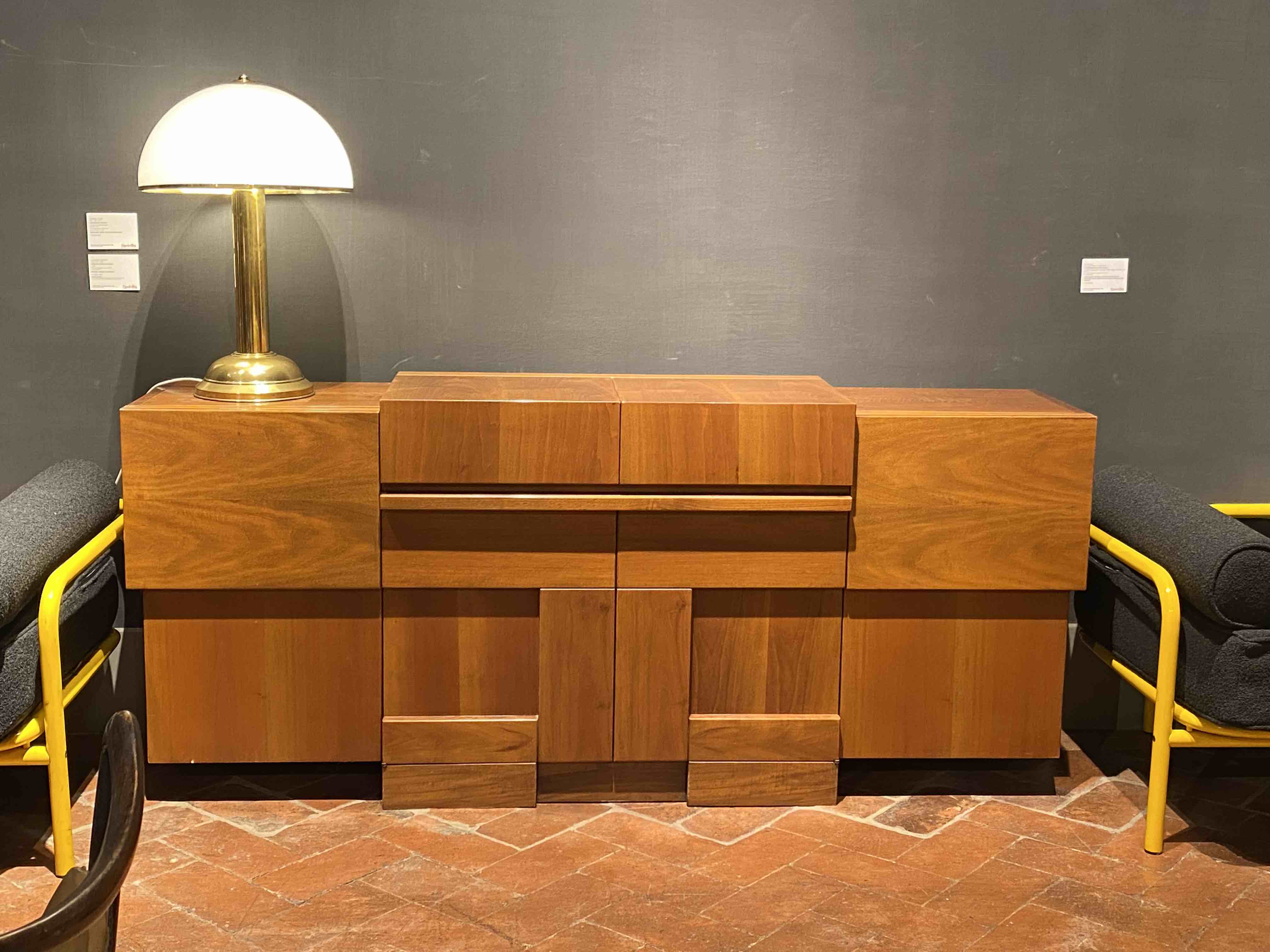
Pandolfini , 20th Century Design auction , Florence
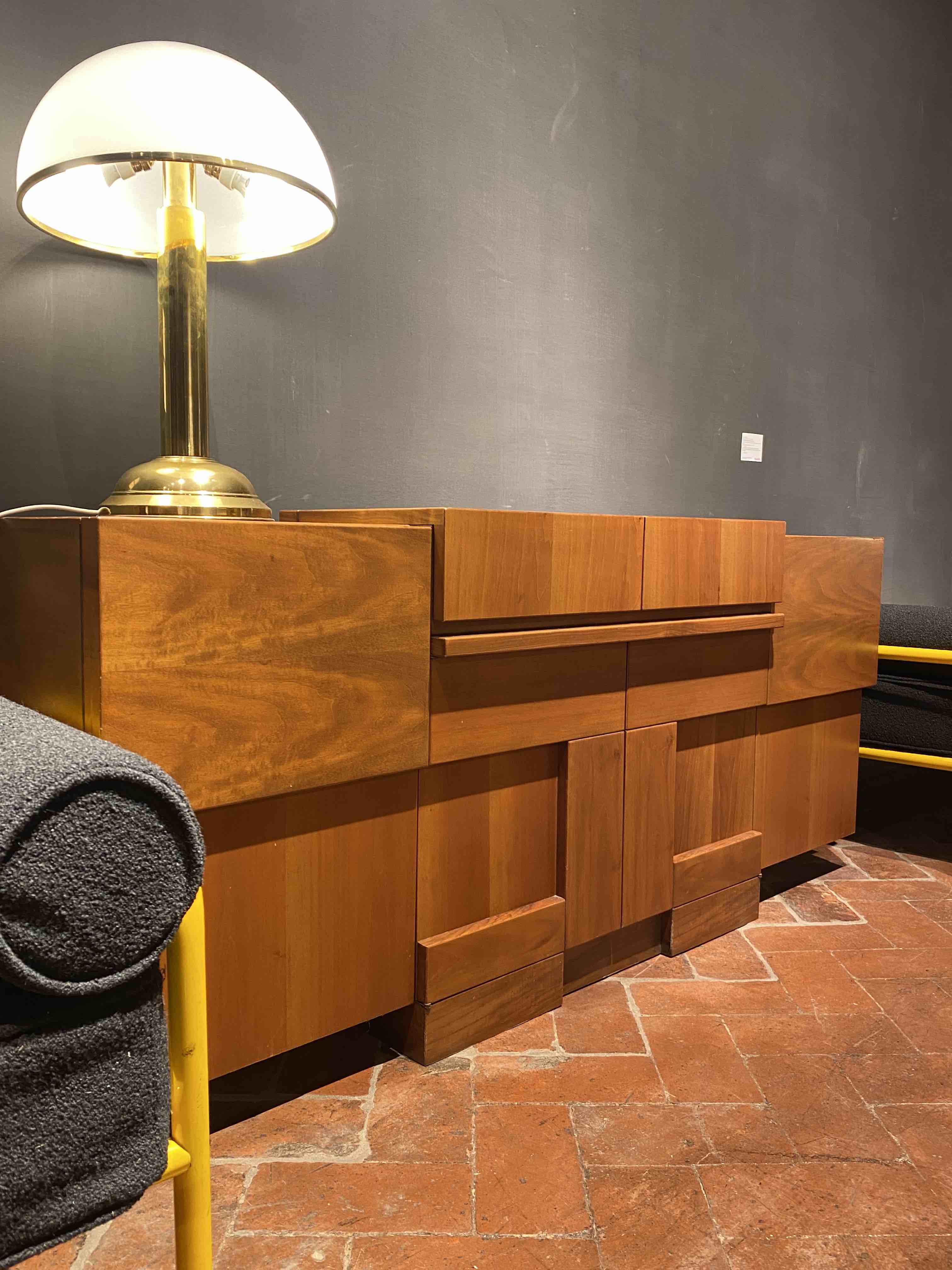


Madia Sideboard, 1970
made 1988
cm 200 x 49 x h 85
in cherrywood, with 4 doors, 2 ribs and 3 shelves


Old Catalog Meccani
Beautiful cherrywood sideboard with four doors, two tilts and three internal shelves; designed in 1970, it is a sculpture furniture with a central base that supports the volume of the ideally suspended sideboard.
The geometric design alternates with the play of volumes that make the furniture a real sculpture: an iconic piece by the Author, rare, innovative, one of the most beautiful works of Italian design of the 70s.
In this work the Artist succeeds in an exceptional way to combine functionality with beauty where Design and Sculpture merge.
Erasmo Sideboard, 1972


Erasmo Sideboard, 1972
made 1986
cm 210 x 55 x h 76
in cherrywood and maple with 3 doors, 1 shelves and 1 drawer
Beautiful sideboard with three doors, a drawer and an internal shelf.
Resting on the volume of the back base, it breaks down into three modular, geometric elements with the central part of the carabot highlighted.
The top of the cupboard is characterized by the alternation of horizontal and vertical veins of the wood. The volume of the furniture has horizontal and geometric vertical signs that culminate in the square in the shadow of the carabot.
This "Erasmo" belief is a unique piece in these essences (cherrywood and maple).


Erasmo Sideboard, 1972
made 1986
cm 210 x 55 x h 76
in cherrywood and rosewood with 3 doors, 1 shelves and 1 drawer
Unique piece in these essences


Erasmo Sideboard, 1972
made 1986
cm 210 x 55 x h 76
in mahogany, oakwood and rosewood with 3 doors, 1 shelves and 1 drawer
Unique piece in these essences

Original Meccani Arredamenti Catalog


Pandolfini Auction, Florence Italy
Design Spotlight 2024

Quadro Sideboard, 1976


Quadro Sideboard, 1976
cm 146 x 56 x h 80
in wengè with 4 doors, 3 shelves
Beautiful sideboard made in 1976 by hand in the carpentry of the Meccani Arredamenti company, in solid wengé.
The sideboard has four doors and three internal shelves with brass finishes; push opening of the doors.
This sideboard is a prototype, a unique piece from the 70s, which has never been put into production (Meccani Archive).
Ferdinando Meccani designed the sideboard starting from a module of 18 cm, each square measures 18 x 18 cm, in search of pure geometry….


Quadro Sideboard, 1976
made 1985
cm 146 x 56 x h 80
in maple with 4 doors, 3 shelves


Quadro Sideboard, 1976
made 1985
cm 146 x 56 x h 80
in cherrywood with 4 doors, 3 shelves
Bari Sideboard in mahogany, 1969


Cm 80 x 50 x h 88 with two doors and an internal shelf.
Geometry, perspectives, and the solid and empty volumes that cast shadows are all brought together in this beautiful piece of design, exemplifying the Artist's language, where sculpture and design merge.
Beautiful and rare mahogany sideboard
designed by Ferdinando Meccani in 1969.
The "Bari" sideboard, so-called because it was designed for the Fiera del Levante in Bari, is a square piece of furniture with two doors and an internal shelf. It measures 80 cm x 50 x h 88 with an 8 cm high base, partially set back and not visible because it is in the shade, which ideally suspends and highlights the square volume with the motif of the doors. In this design work of the 60s, therefore relatively youthful, the fundamental features of the Author's artistic language are already present where architecture, sculpture, painting and design merge creating colors, shadows, volumes, dark light within a context based on geometry and symmetry. After a short time, iconic pieces will be created such as the "Madia" (1970), sculpture furniture, the "Triangolare" furniture (1970) and, later, in 1978, the "Corinto" furniture with the curved and hollowed central part. The base of the "Bari" sideboard is a back volume that highlights the relief squares of the doors that, in a pyramidal way, converge towards the center and create a vertical fracture, set back and in the shade; the relationship of the sculptural furniture with the light and the point of view is exceptional.
Beautiful design object from the 900.


Old Catalog Meccani
"Fiera del Levante" Bari, 1971
Cubo Sideboard, 1978


Cubo Sideboard, 1998
made 1998
cm 90 x 64 x h 85
in pear wood with one door, three drawers
Castelvecchio Armchair, 1987


The Armchair, with the shape of a flower, is a clear testimony of the Postmodern style of the 80s.
The Armchair was designed by Ferdinando Meccani on a visit to the Museum of Castelvecchio by Carlo Scarpa in Verona.
In black matt lacquer with maple inlays.
cm 49,5 x 45 x h 122
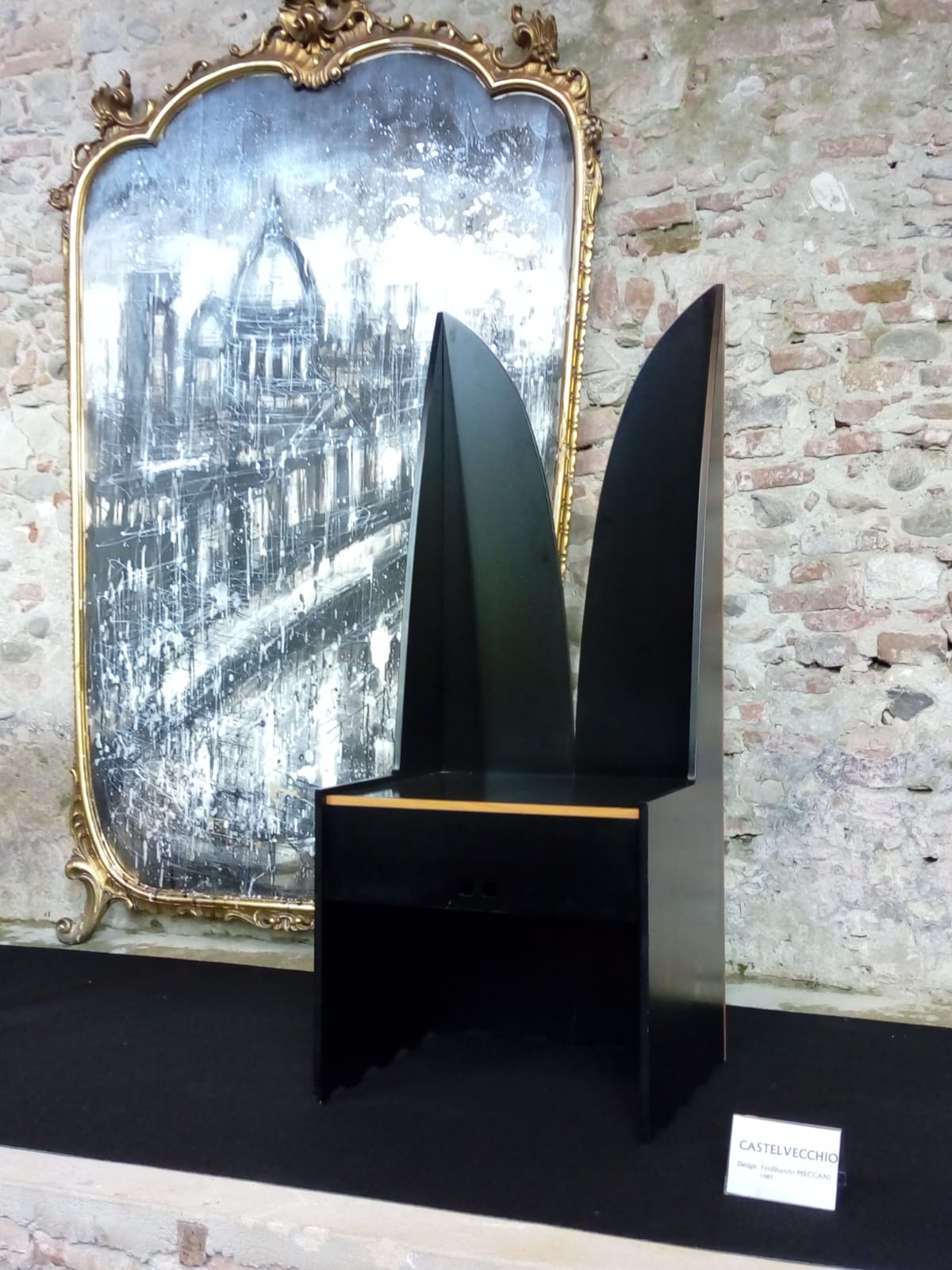
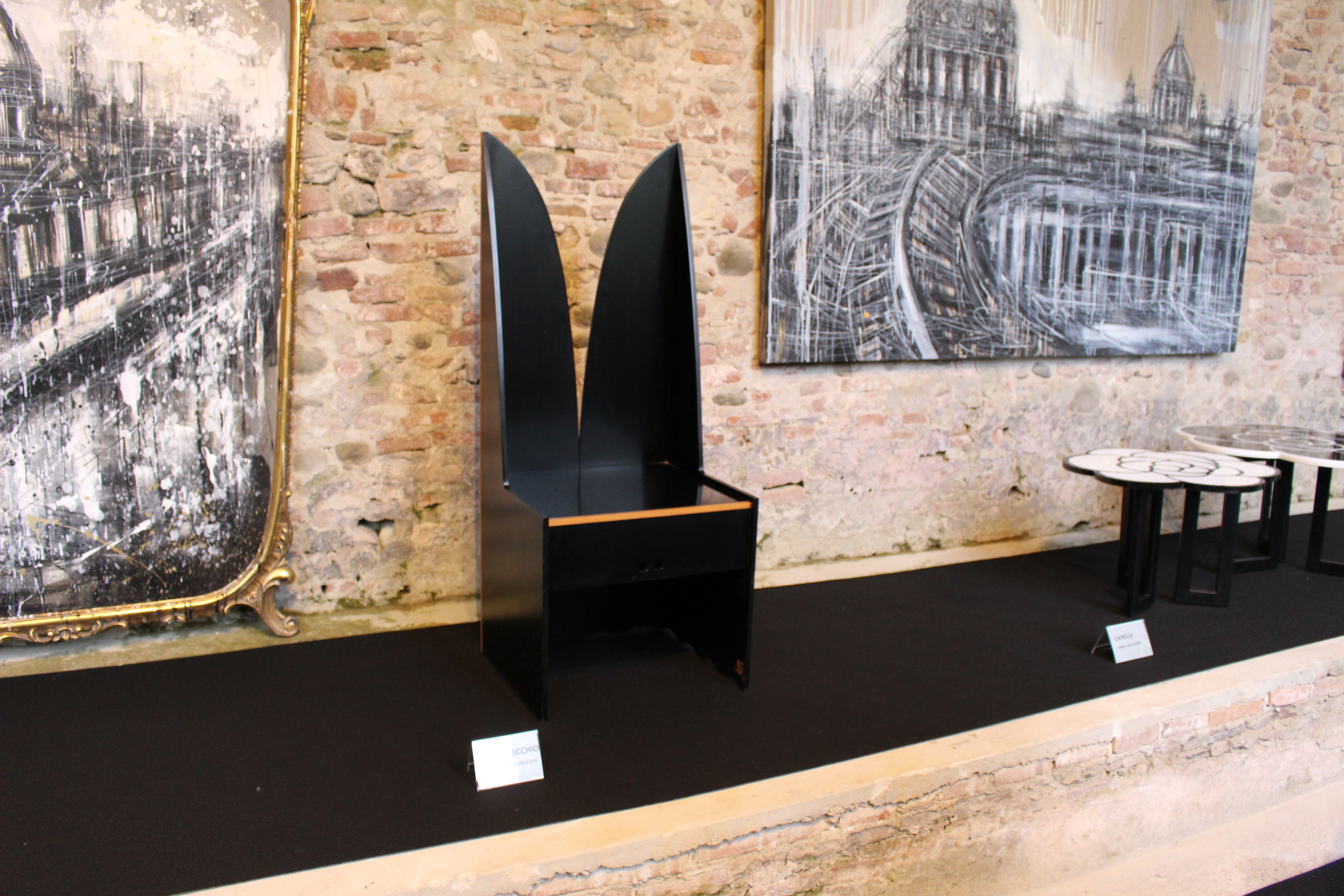
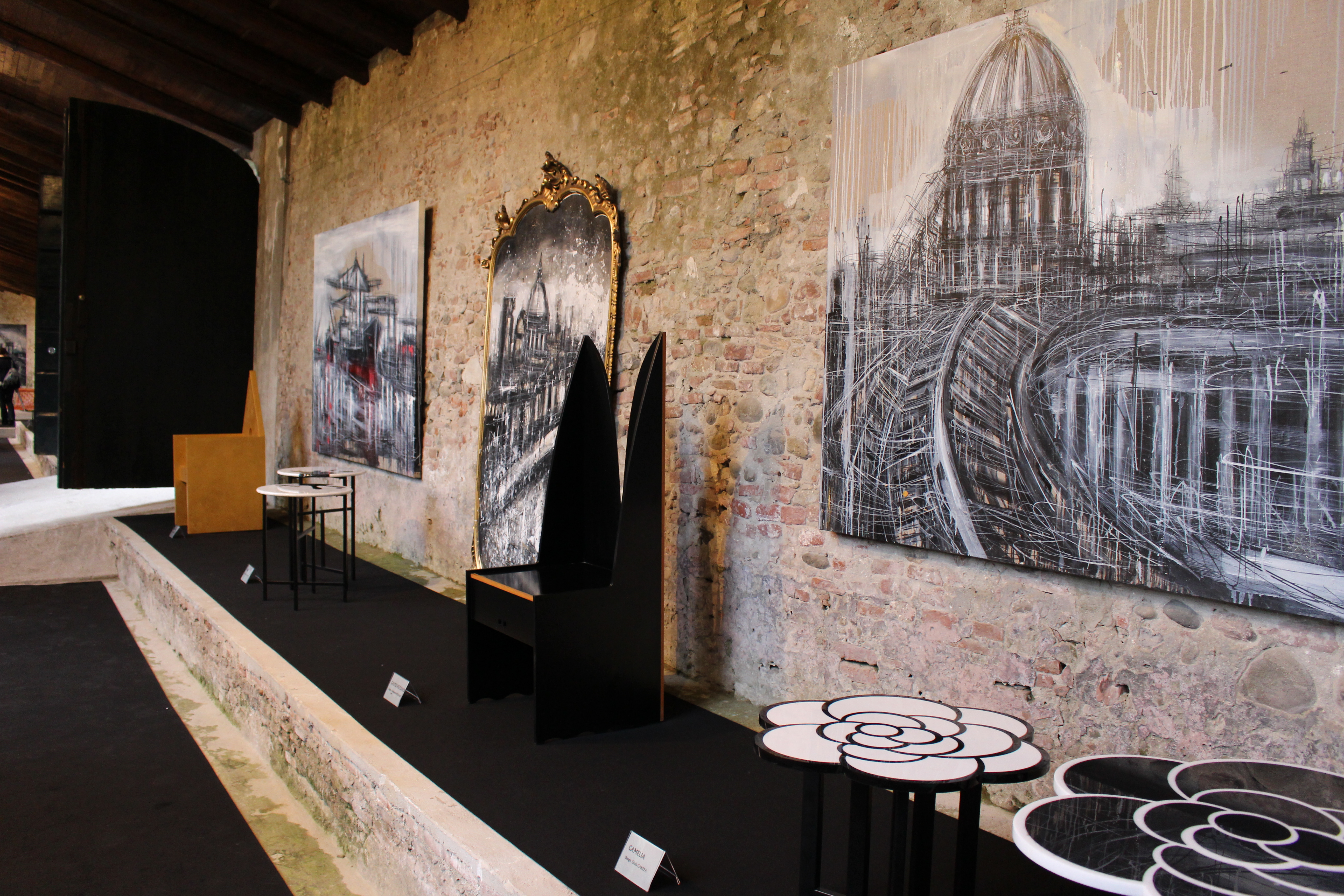
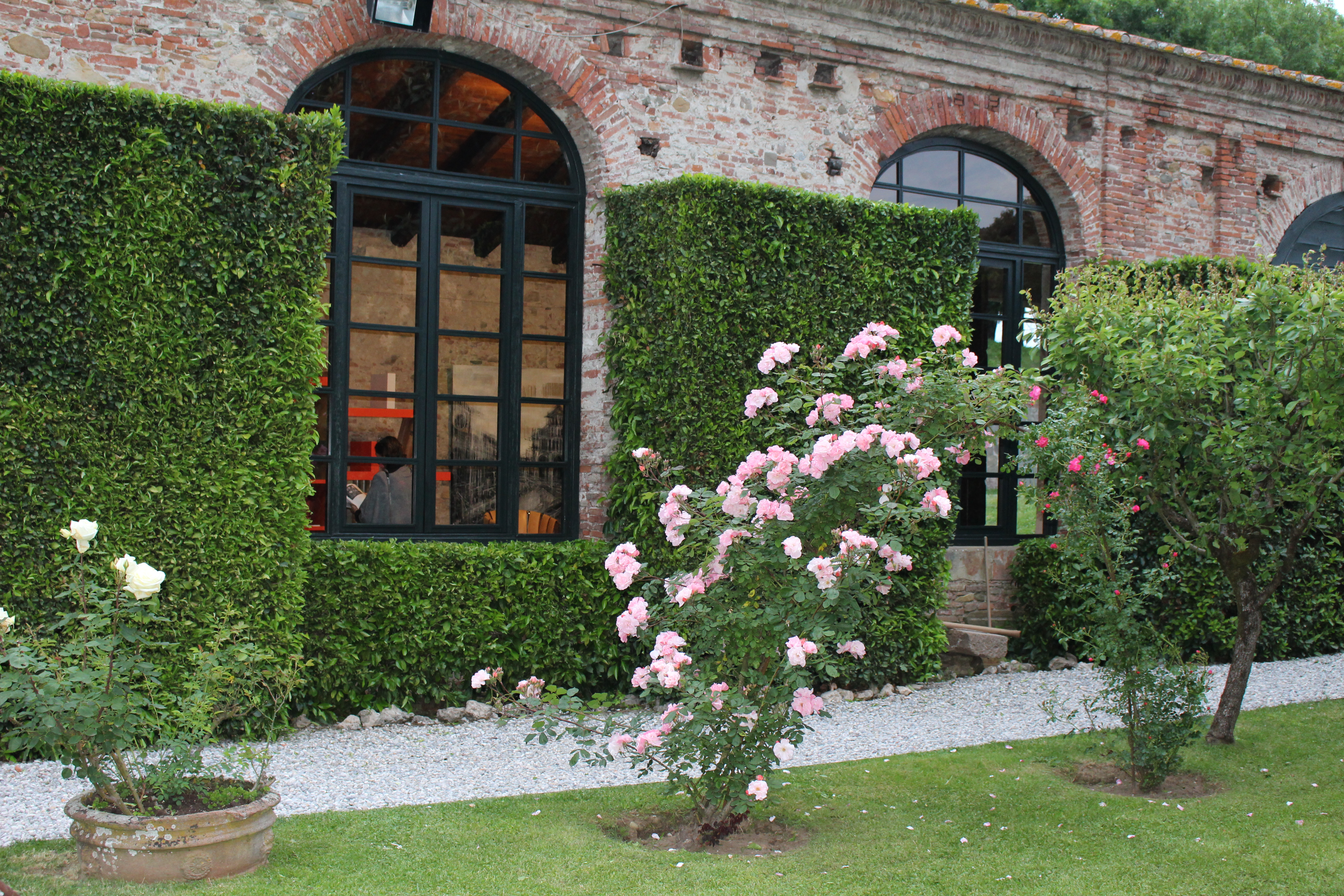
The Castelvecchio Armchair participated in the Exhibition "Una Veduta sul Design" in Lucca, Palazzo Pfanner, 2019.
Giostra Lamp, 1987


Giostra Lamp, 1987
cm 52 x h 116
Lacquered lamp
Plurimo Coffee Table, 1970


Pandolfini Auction, Florence Italy
20th Century Design, 2021


Old Catalog Meccani, 1970
Brunelleschi Coffee Table, 1992


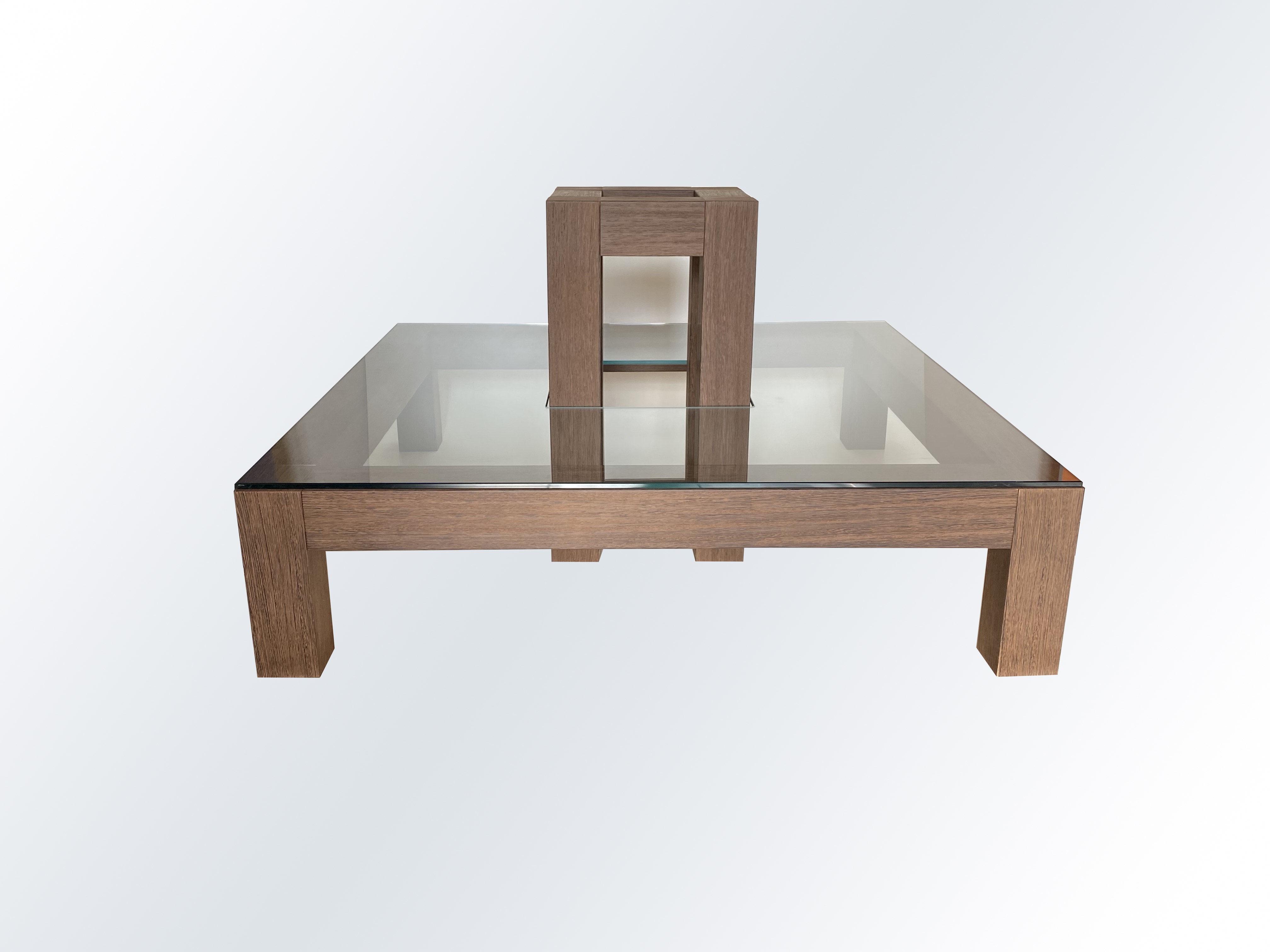


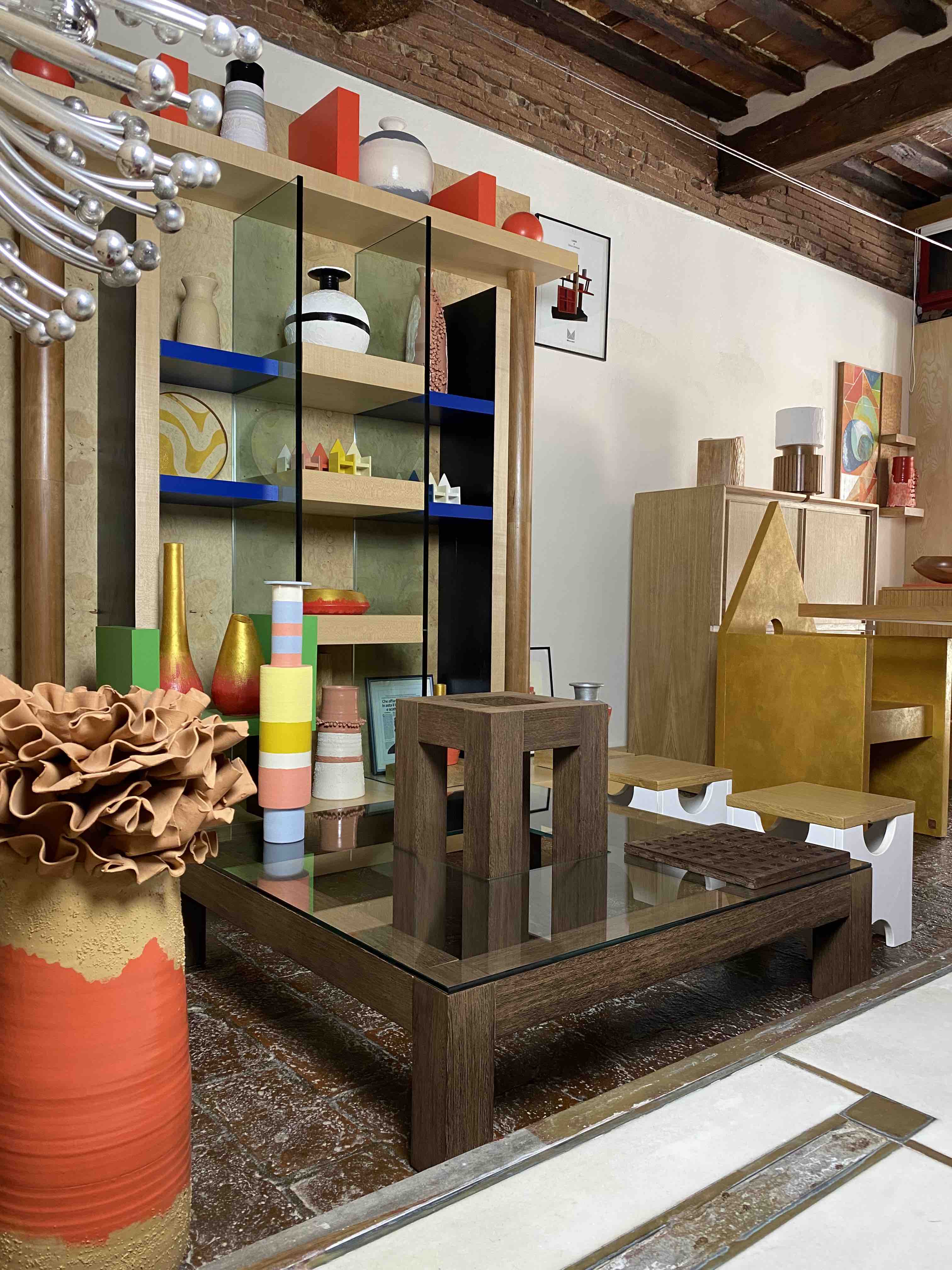
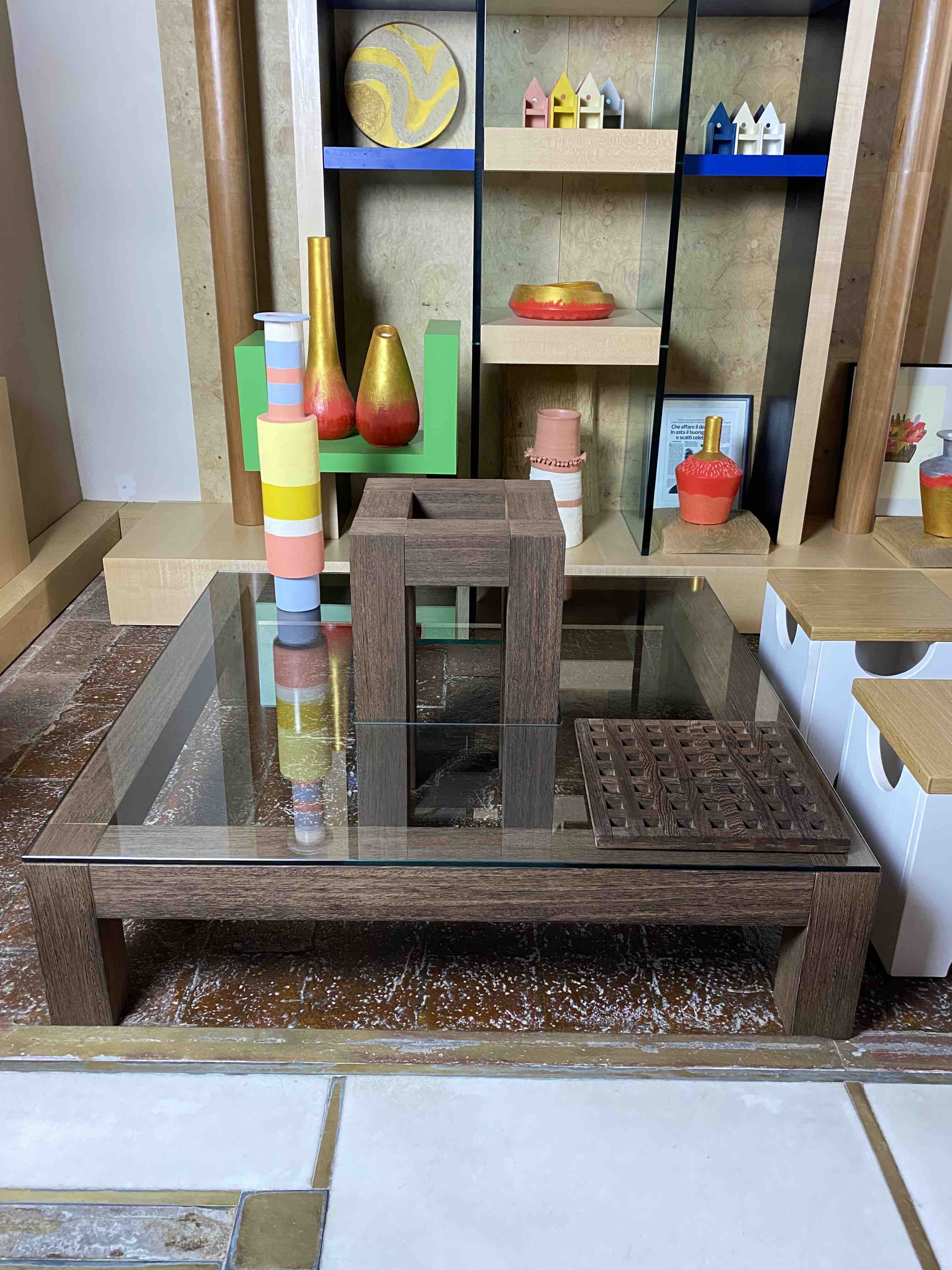
Brunelleschi Coffee Table, 1992
cm 100 x 100 x h 26+29
in wengè
Micene Table, 1978


Micene Table, 1978
cm 135 x 135 x h 77
diameter cm 188 in wengè and walnut


Pandolfini Auction, Florence Italy
Design Spotlight, 2024
Micene Sideboard, 1978


Micene Sideboard, 1978
cm 192 x 57 x h 150
in wengè and walnut with 8 doors, 8 shelves, 1 drawer

Micene Glass-Cupboard, 1978


Micene Glass-Cupboard, 1978
cm 54 x 54 x h 157
in wengè and cherrywood with 3 shelves and 1 door
Micene Chair, 1978


Micene Chair, 1978
cm 43,5 x 44 x h 106
in cherrywood and wengè
Circolare Group, 1966
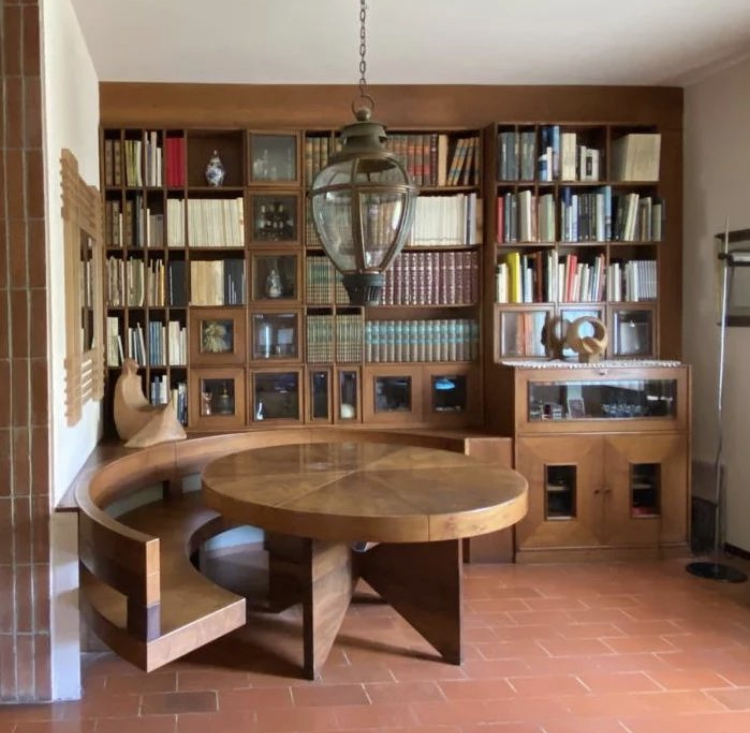
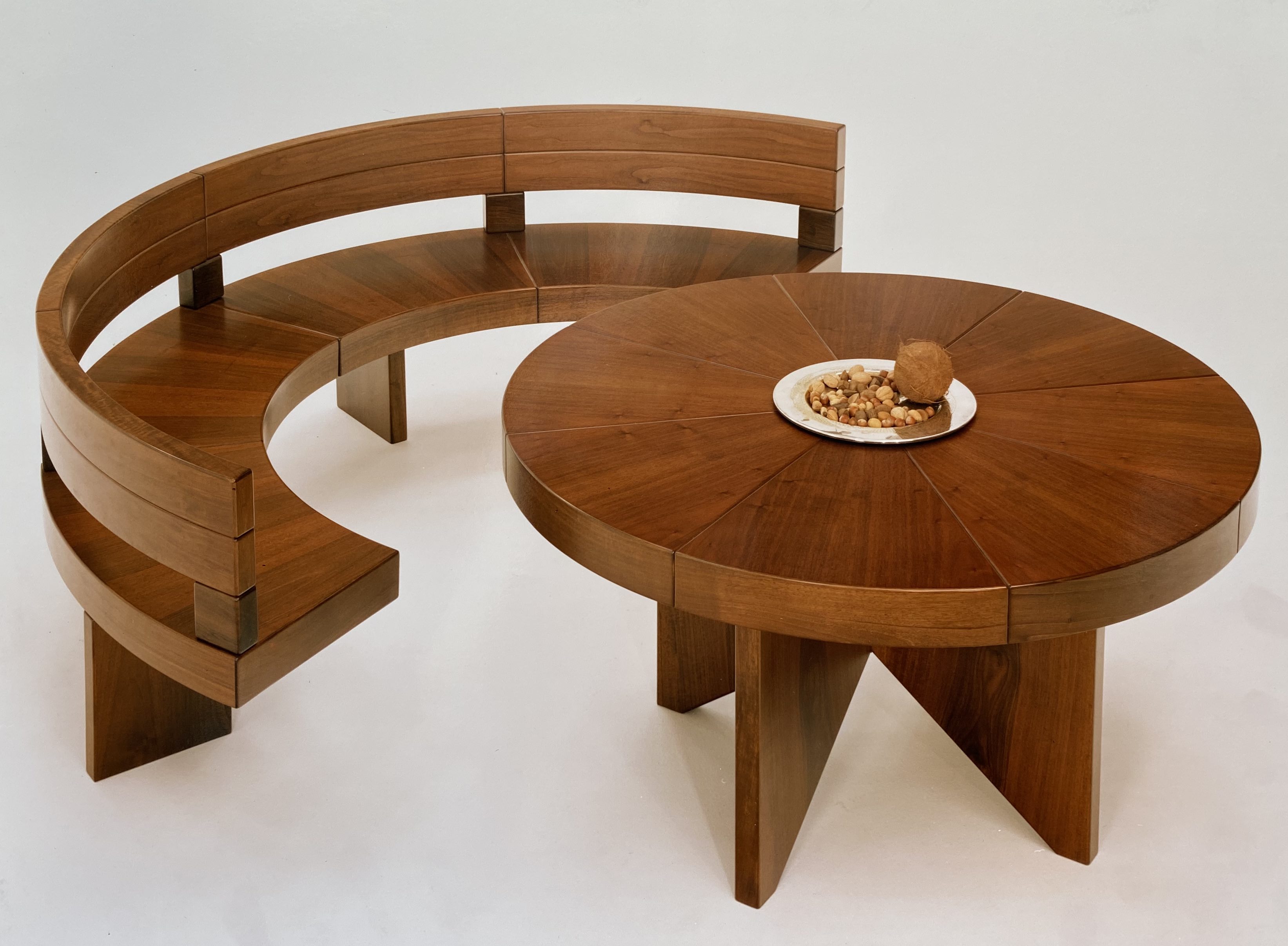
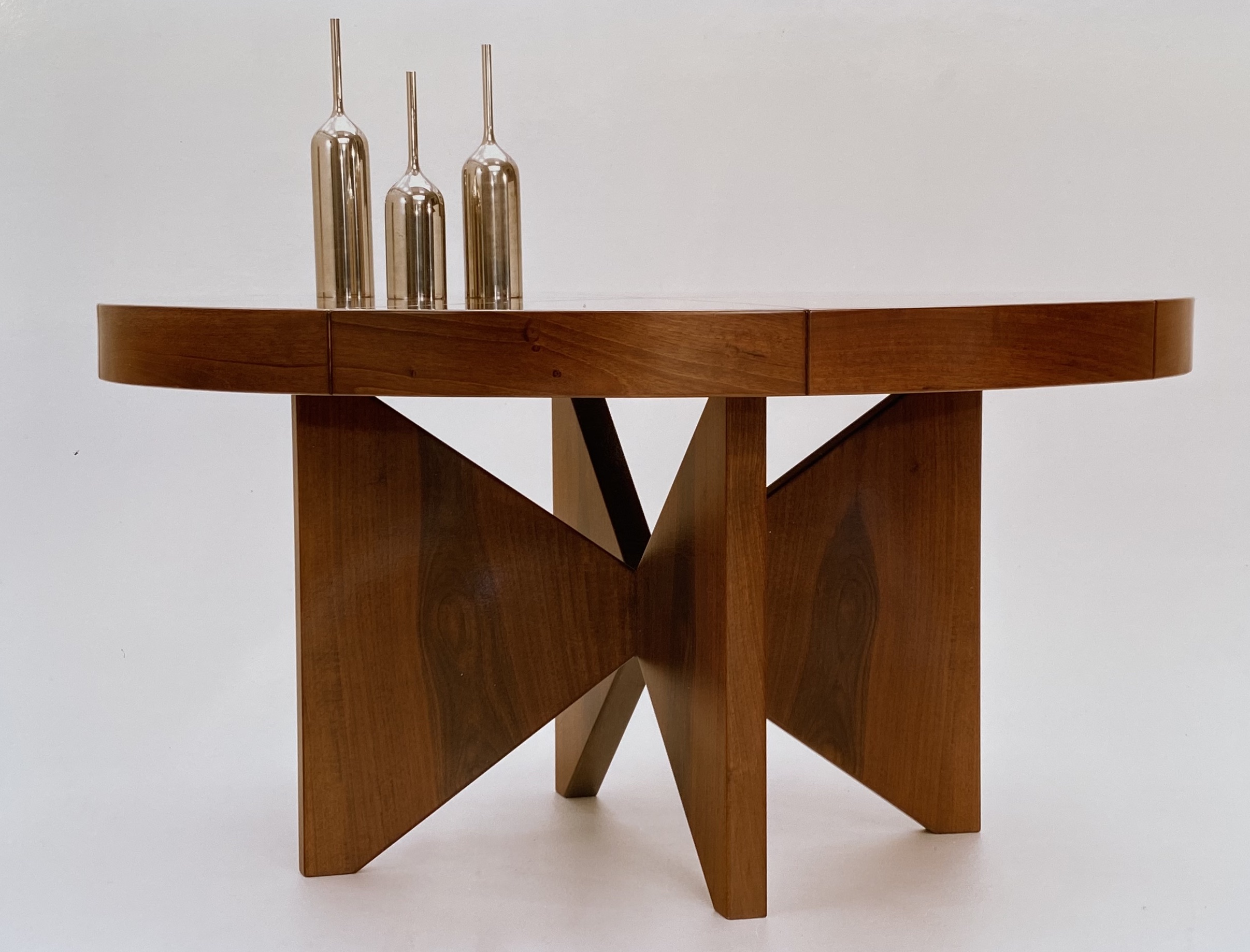
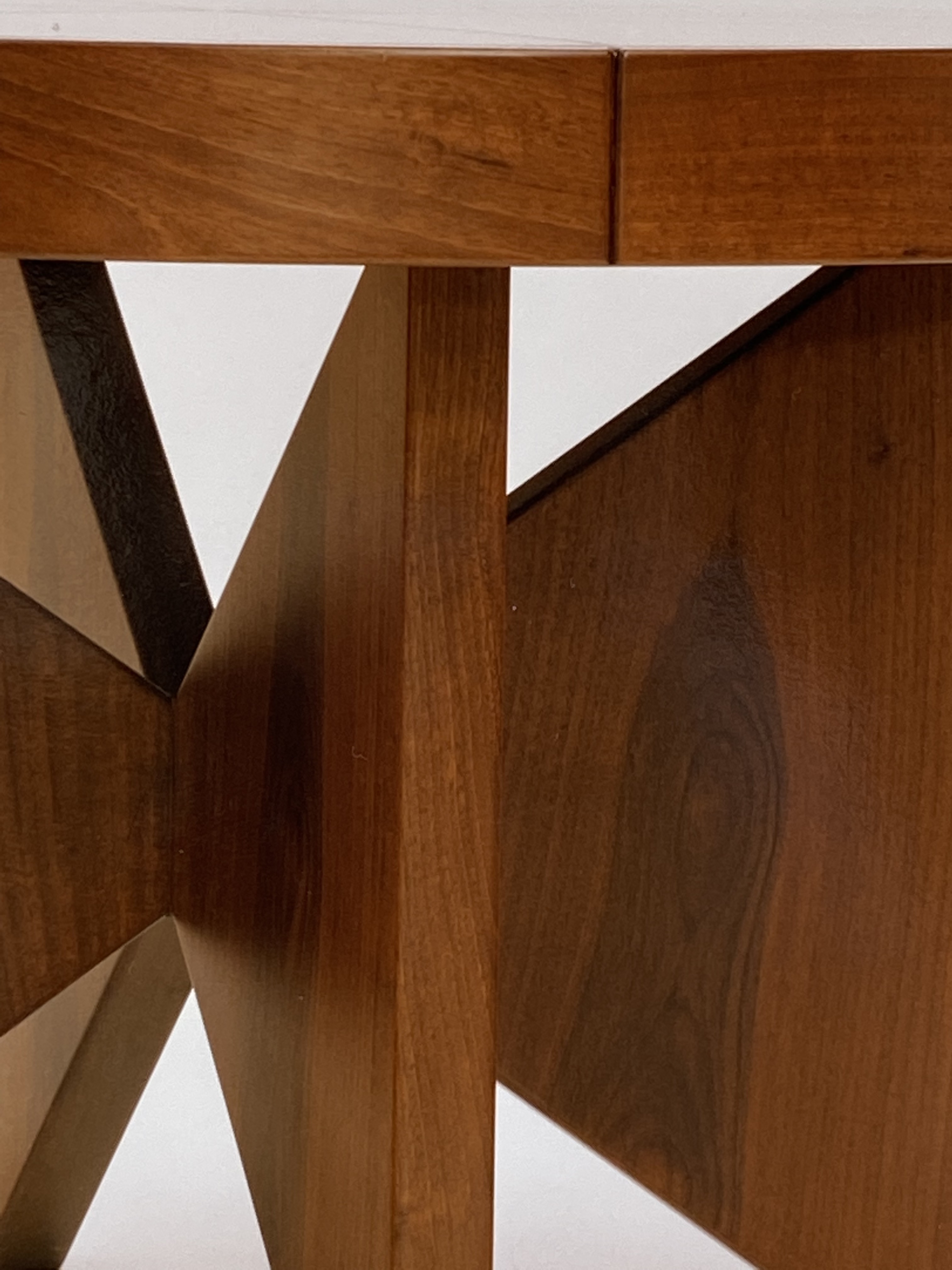
Circolare Group, 1966
Bookcase, Glass-Cupboard, Table and Bench
in walnut
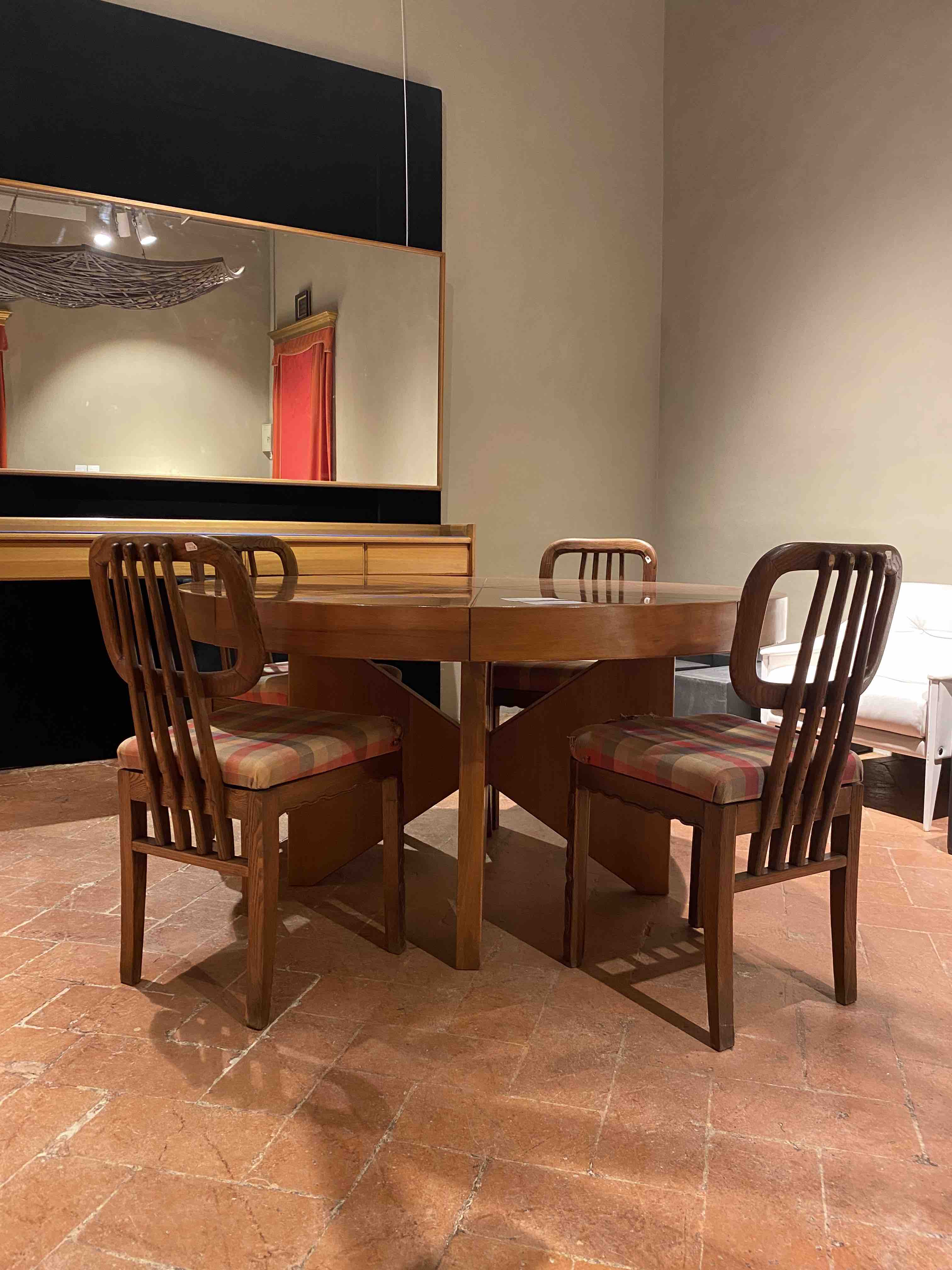
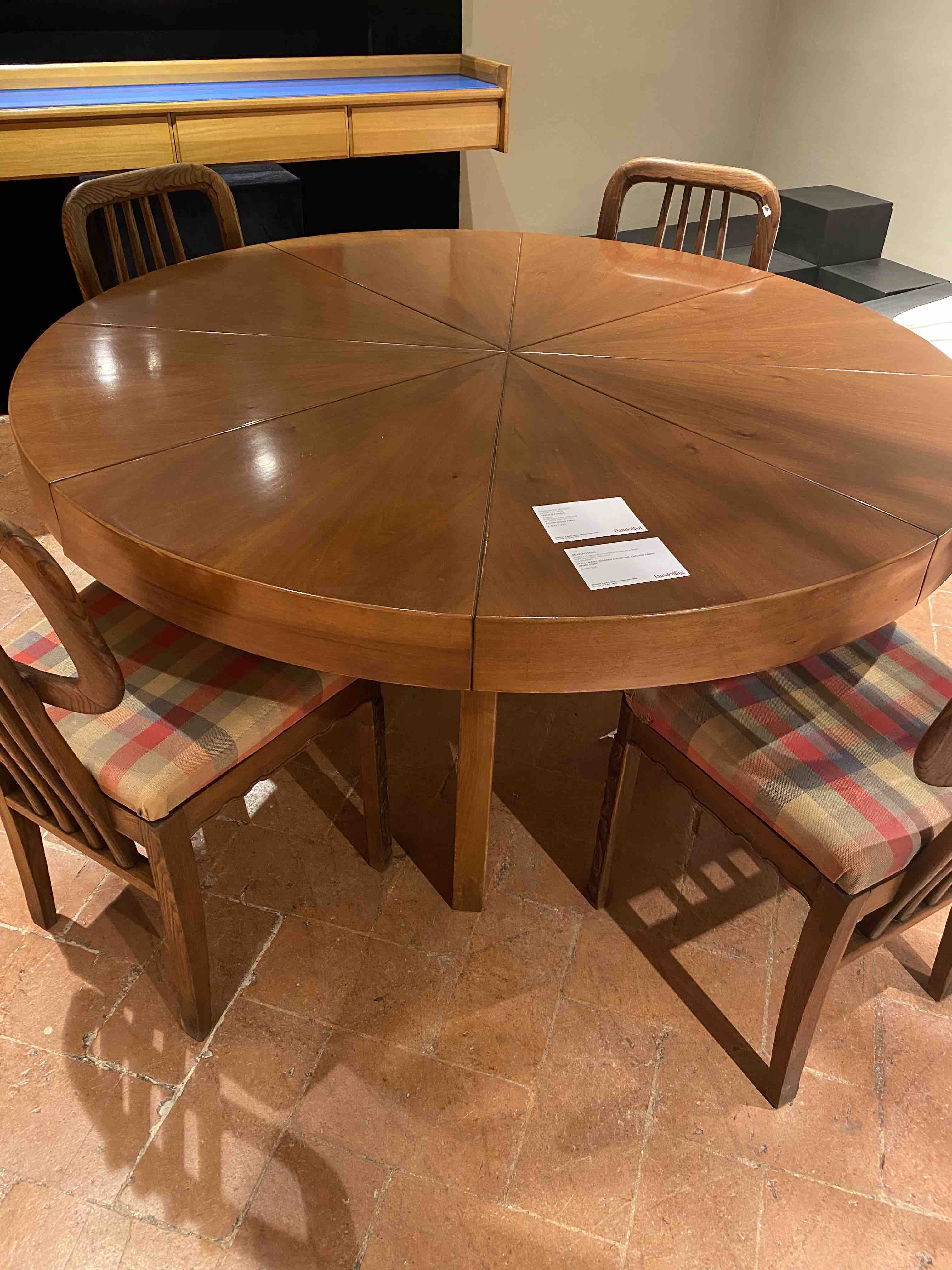
Pandolfini Auction, Florence Italy
20th Century Design, 2021
Circolare Allungabile Table, 1974
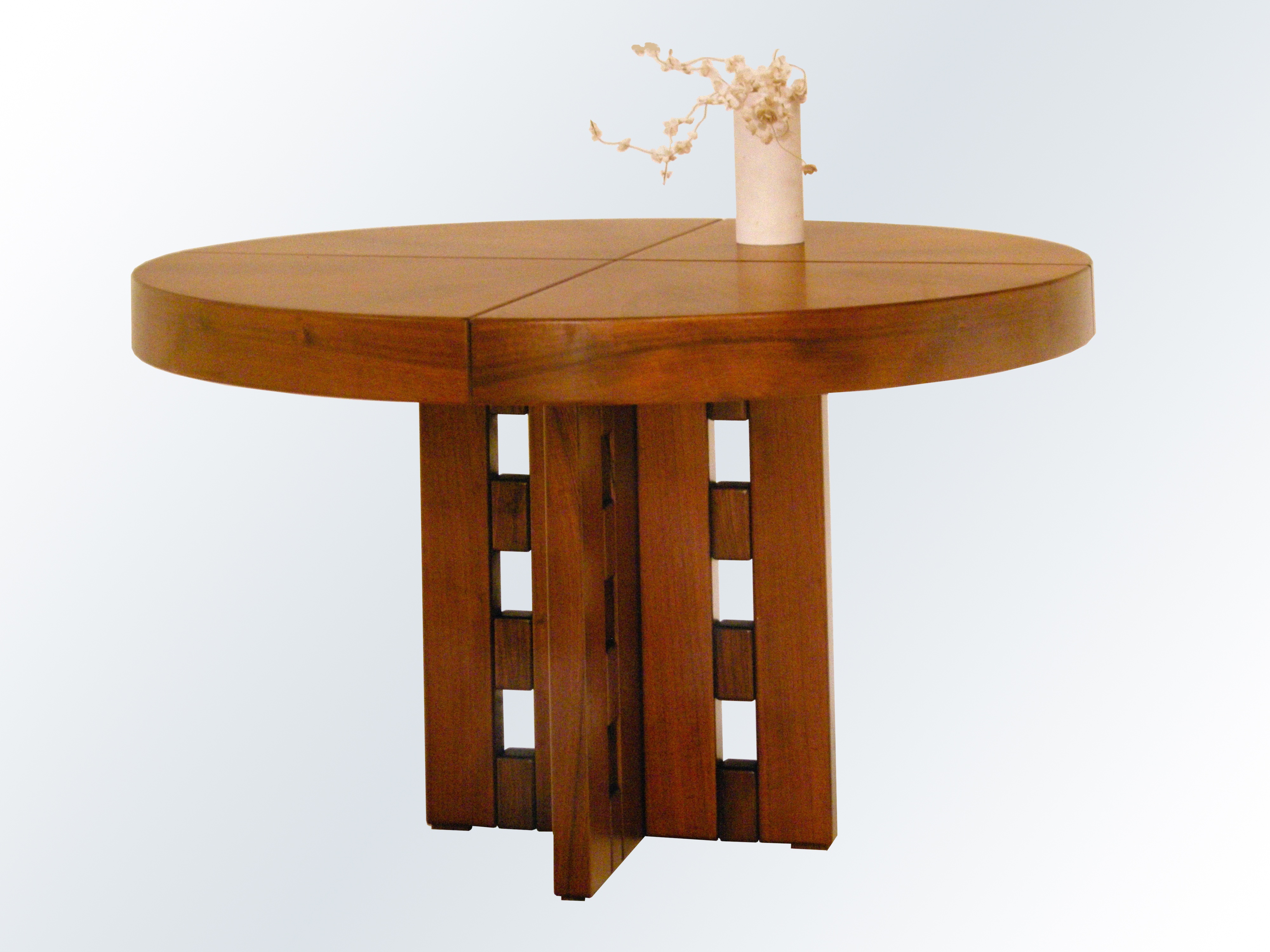
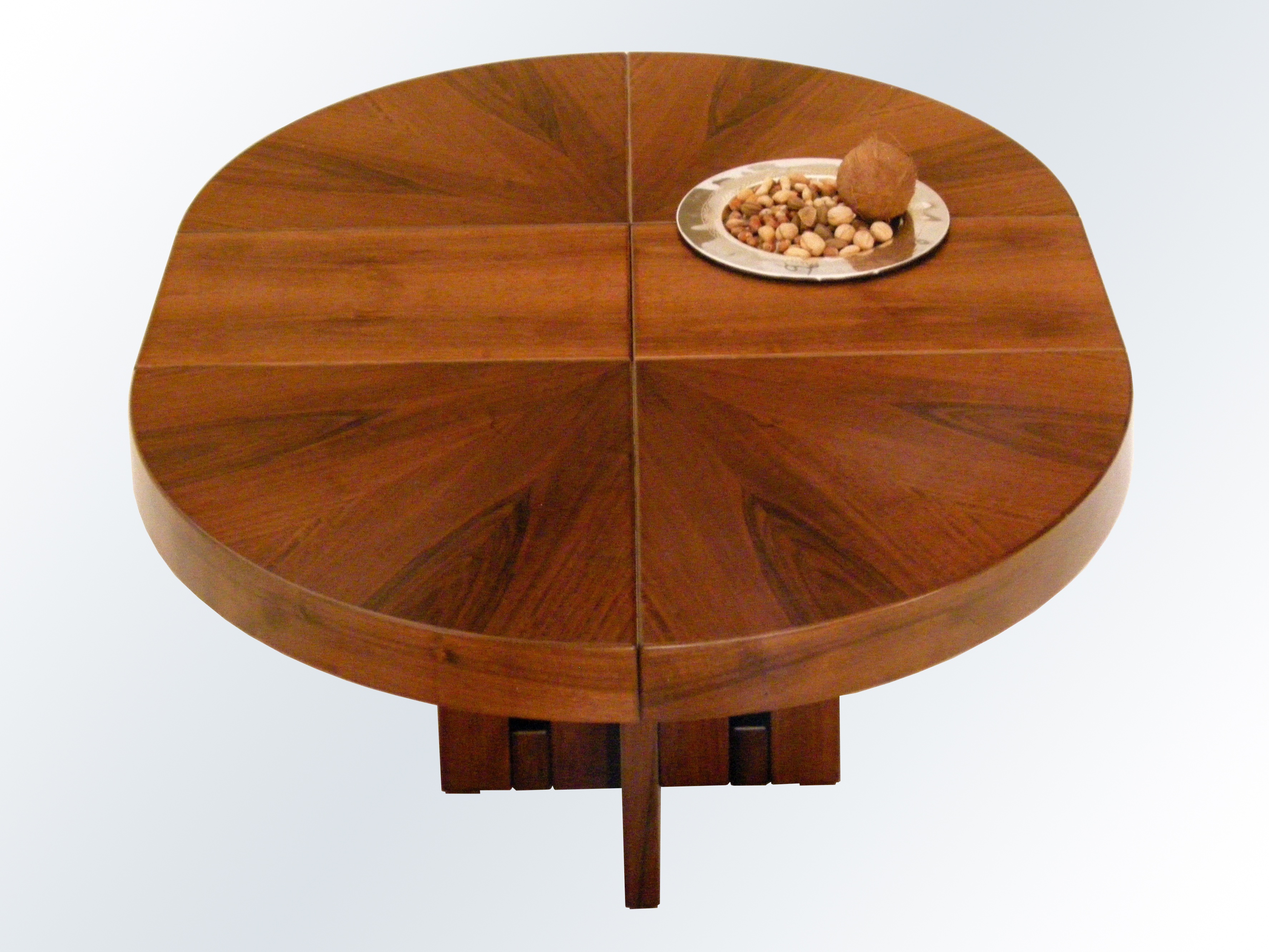
Circolare Allungabile, 1974
cm 120 x 120 x h 76 closed
cm 120 x 180 x h 76 open
in walnut
Vela Armchair, 1969
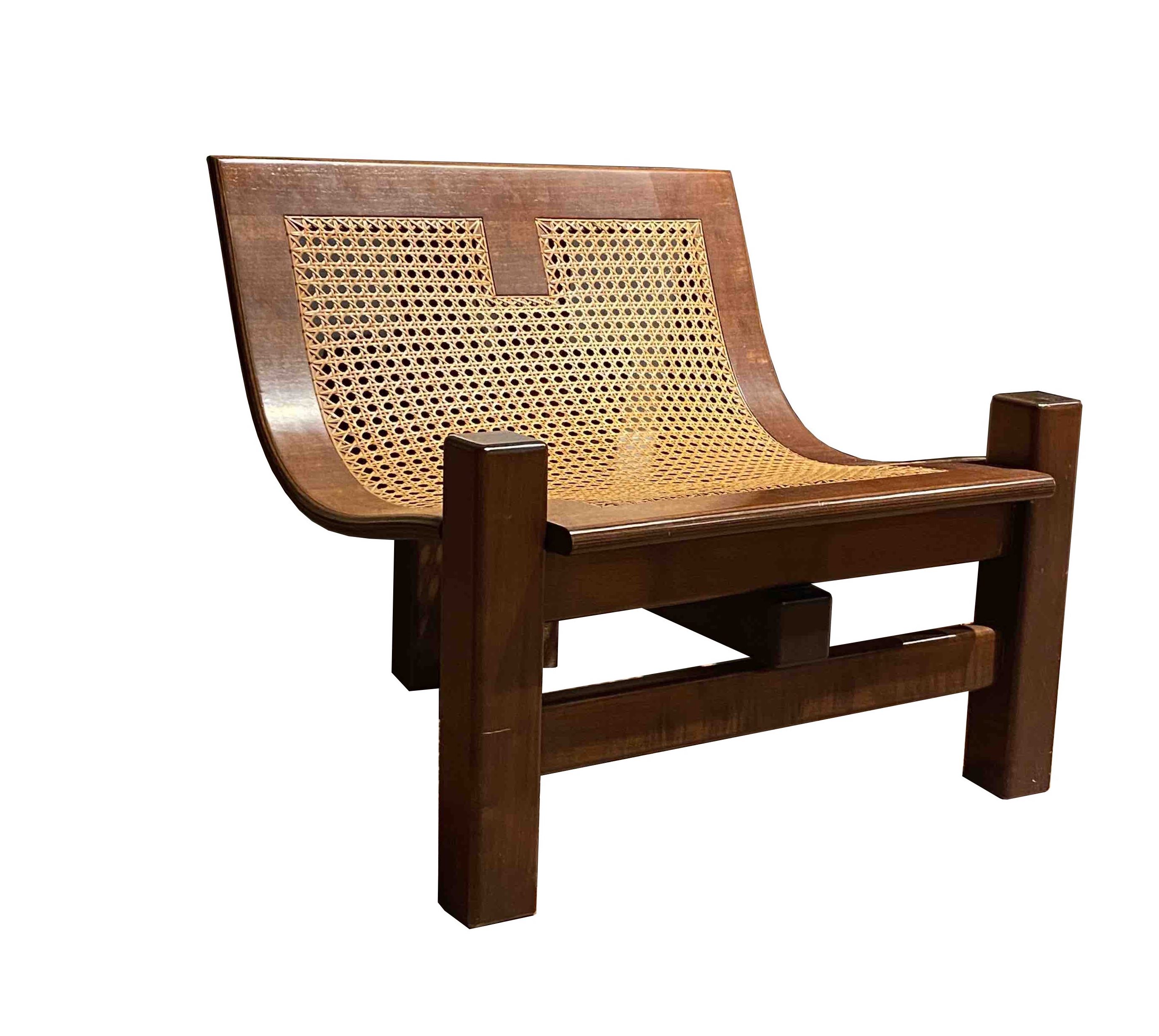

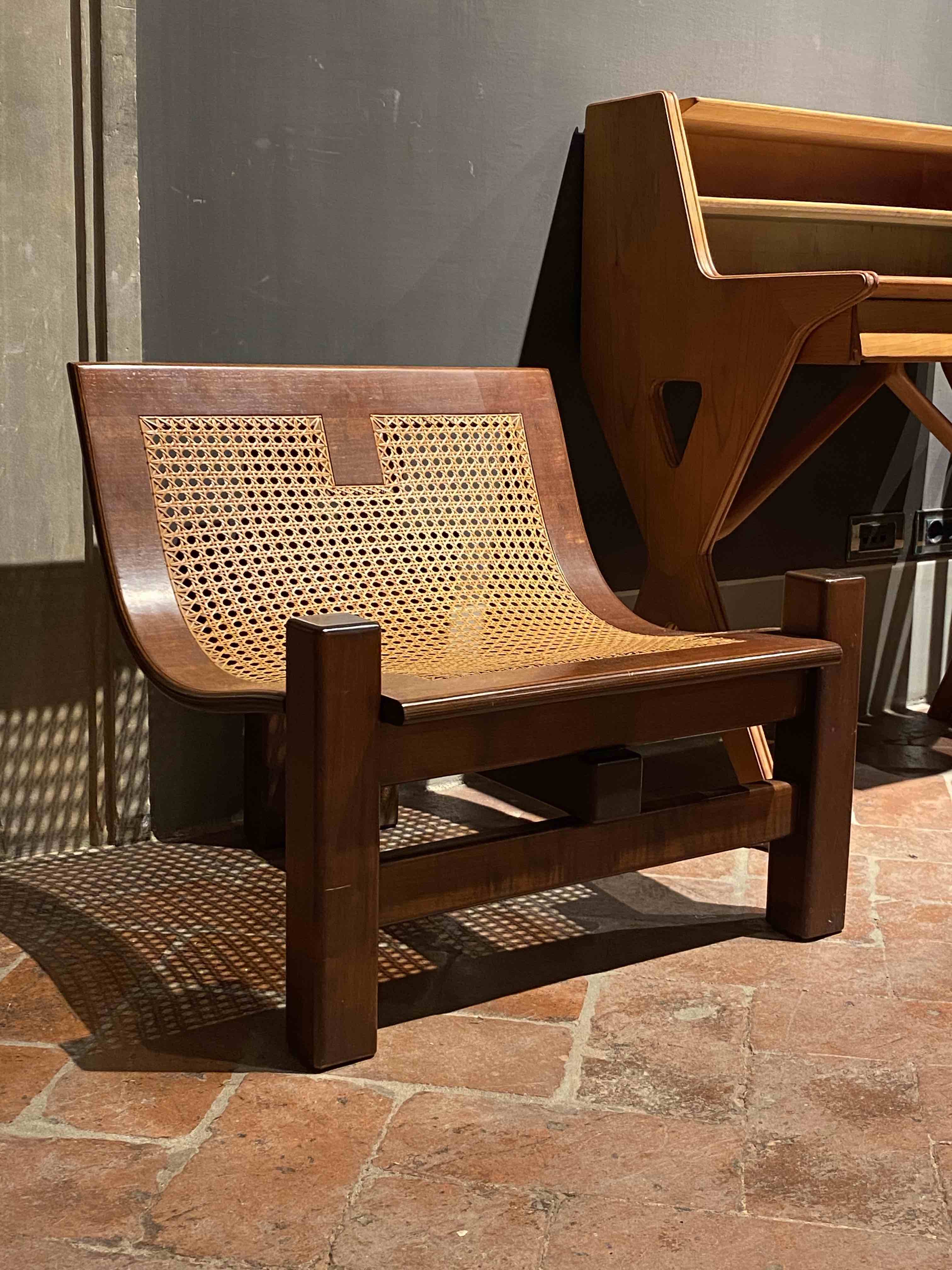
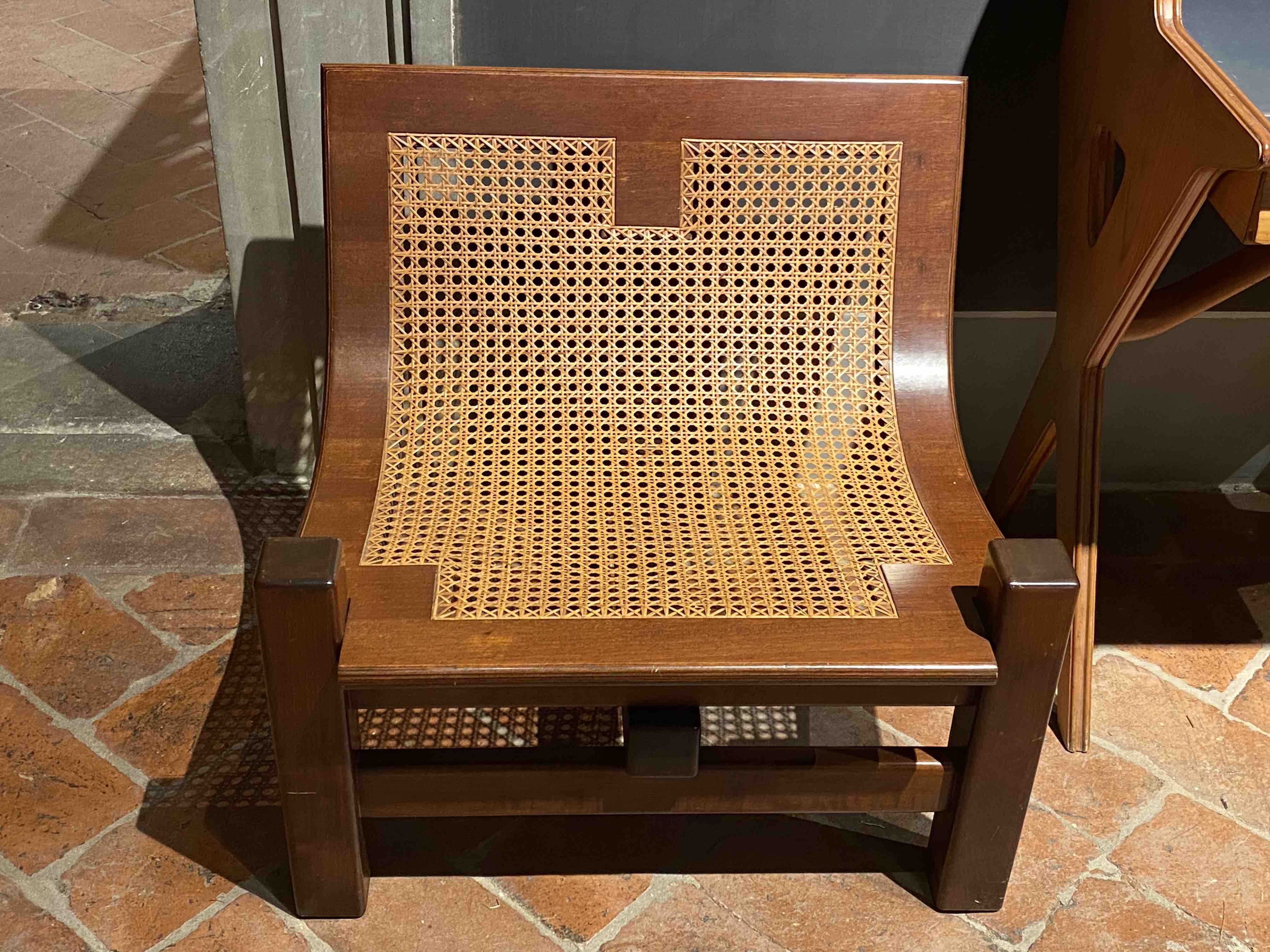
Pandolfini Auction, Florence Italy
20th Century Design, 2022
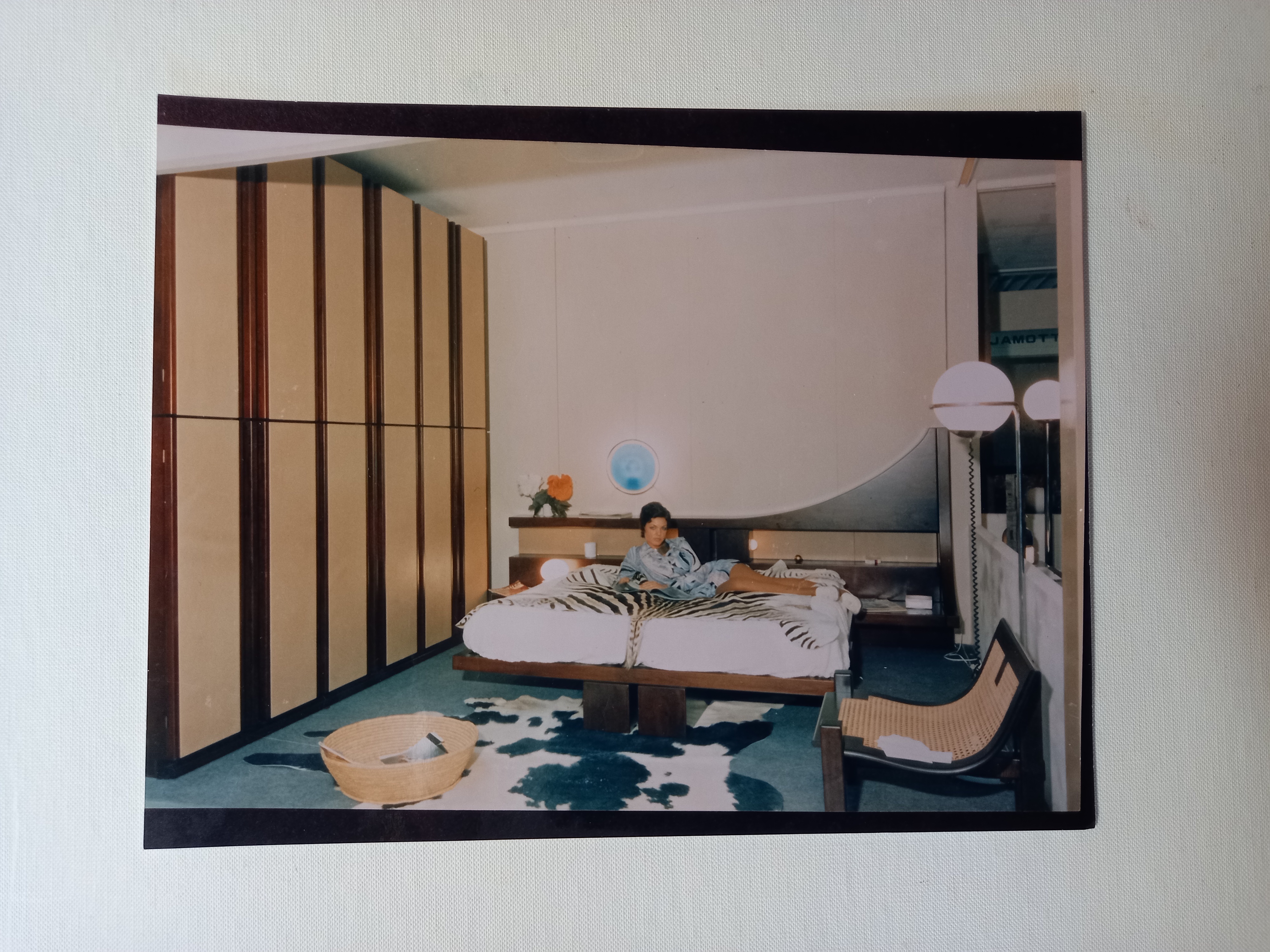
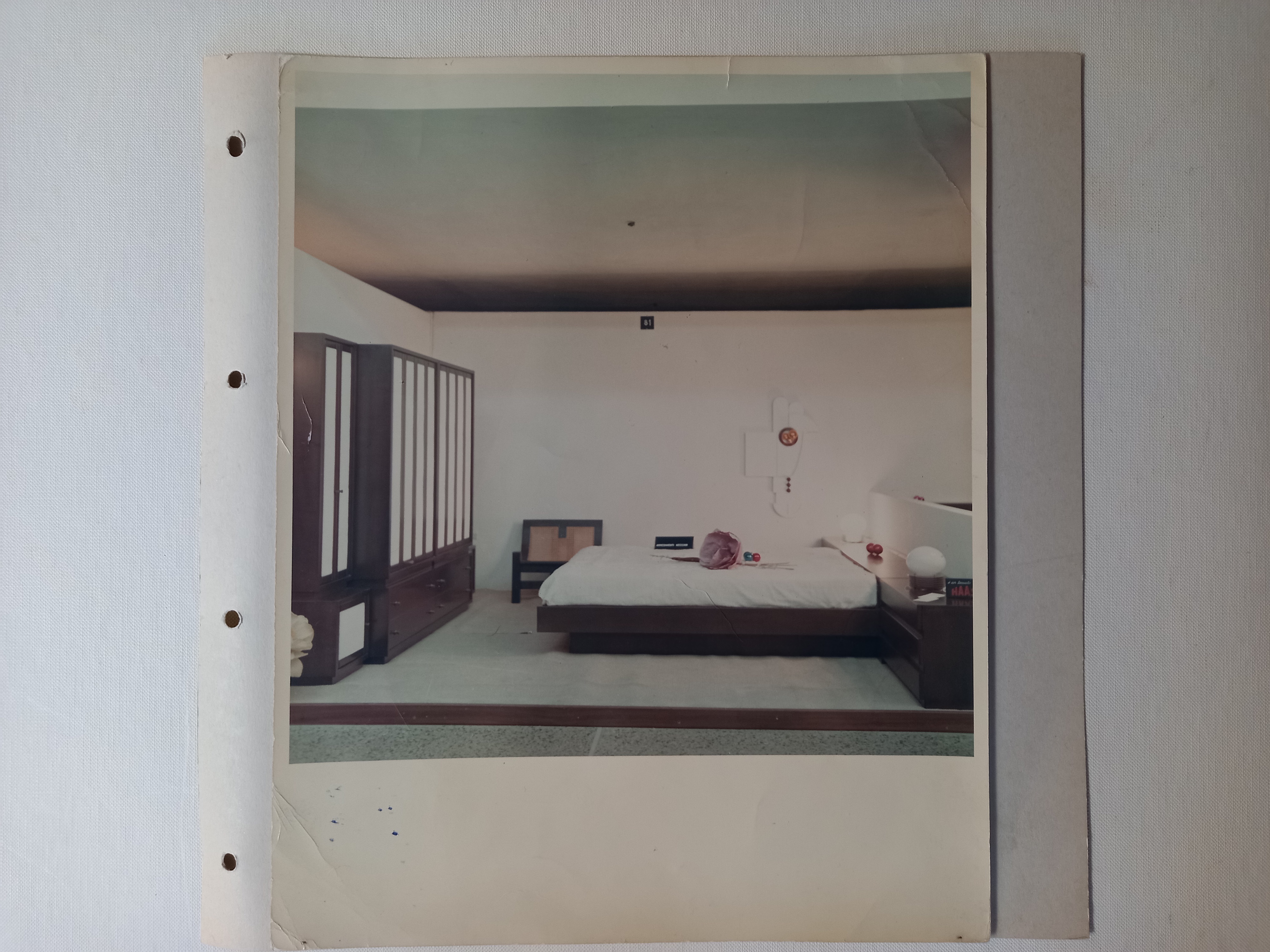
Old Catalog Meccani
Vela Armchair, 1969
cm 64 x 70 x h 70
in walnut
Babbo Bed, 1970


Babbo Bed, 1970
cm 300 x 225 x h 105
in walnut
Vela Bed, 1967

Vela Bed, 1967
cm 300 x 225 x h 140
in walnut
Megaron Sideboard, 1988


Megaron Sideboard, 1988
cm 200 x 50 x h 170
in wengè with 8 doors and 6 drawers
Megaron Table, 1988


Megaron Table, 1988
cm 150 x 150 x h 244,5
in wengè


Abitare con Arte, 1989
Cimabue Bookcase, 1993

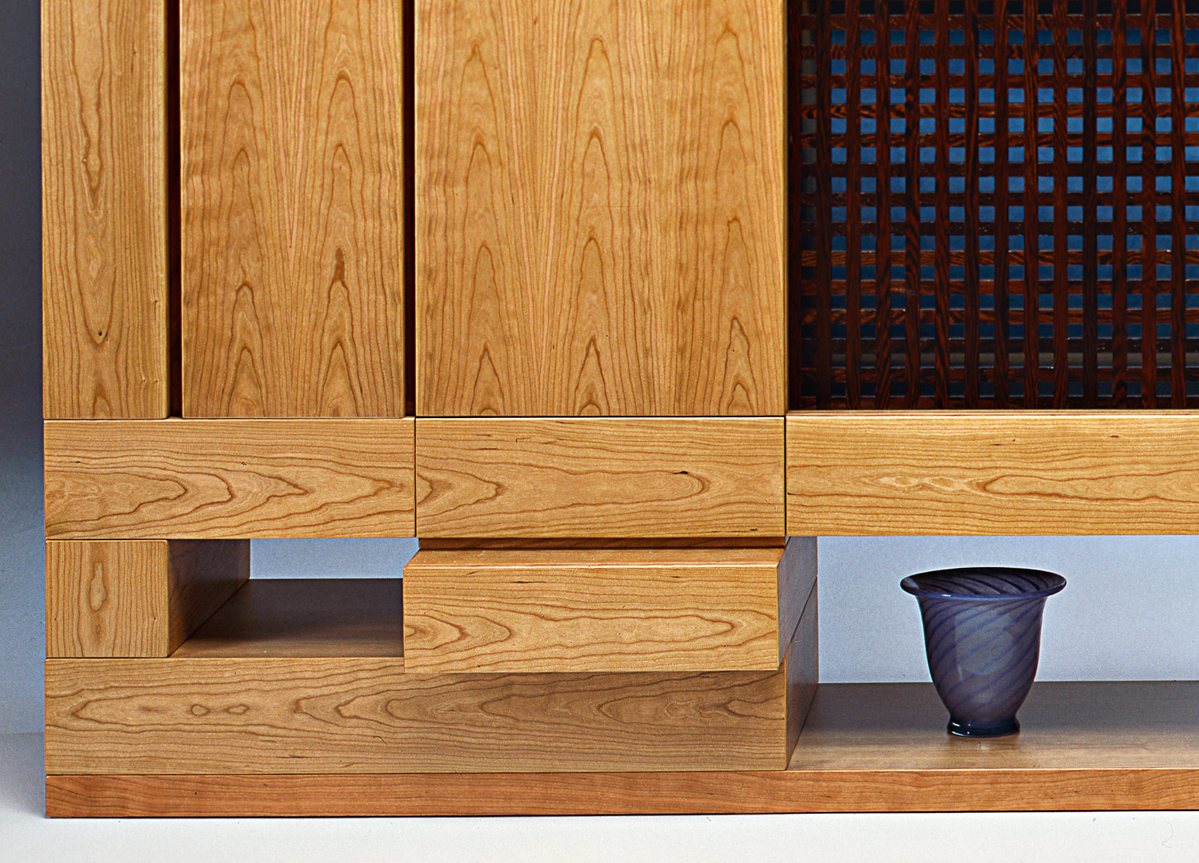
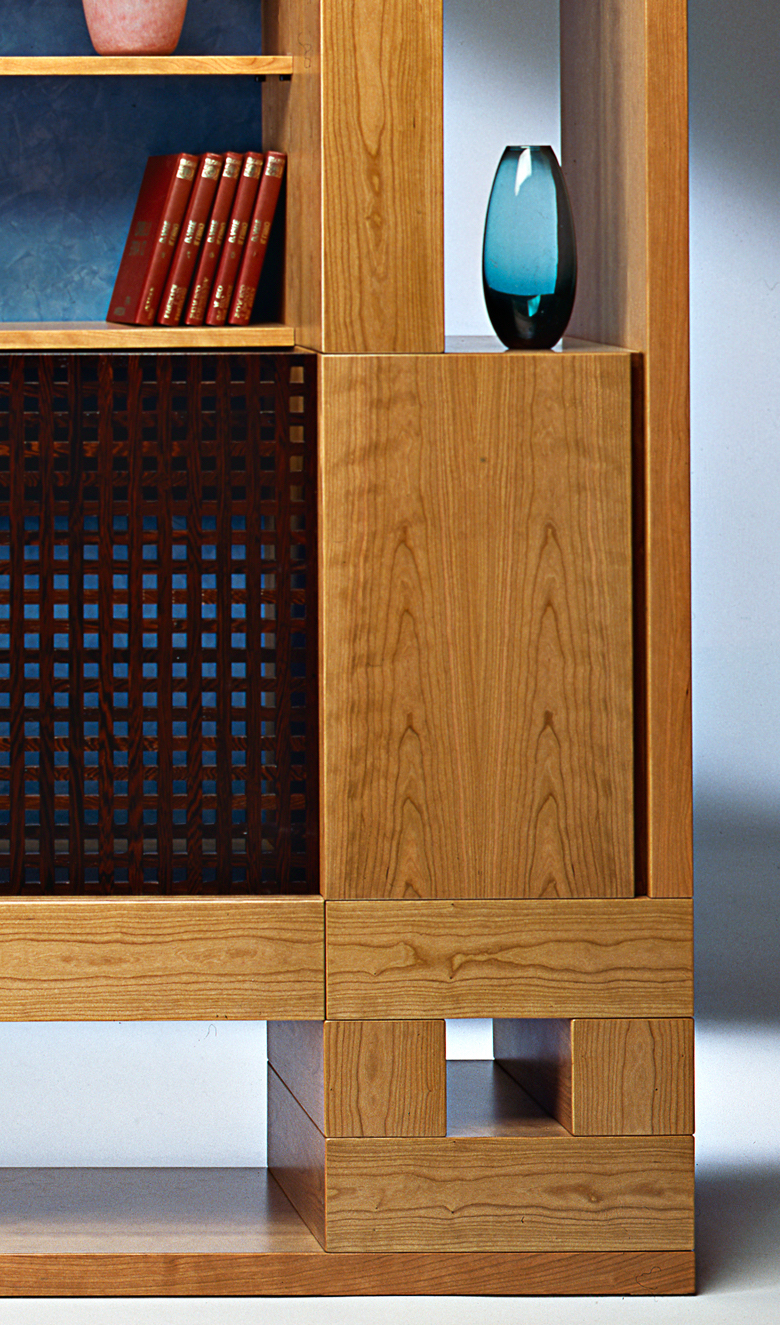
Cimabue Bookcase, 1993
cm 300 x 55 x h 262
in cherrywood and wengè
Fiore Coat Rack, 1976
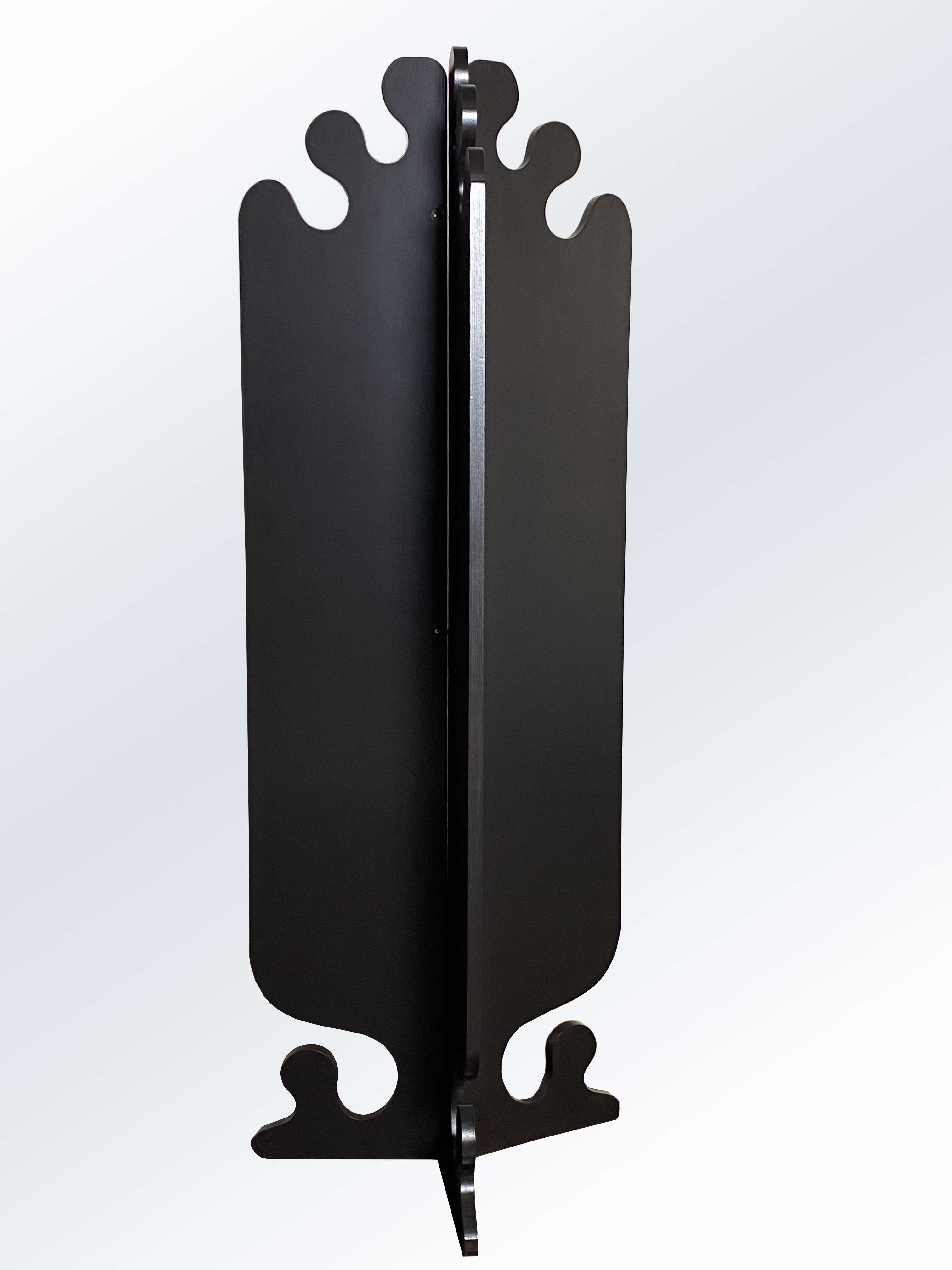


Fiore Coat Rack, 1976
cm 57,5 x 57,5 x h 152
in black lacquered wood
An element repeated three times like three album sheets cut out on top of each other in an accordion... From a simple idea a piece of exceptional design with the possibility of giving life to infinite shapes;
the imagination of a child who then colors the three sheets... A ductile household object with the possibility of infinite shapes that can be easily placed in any furniture.
Coat Hanger, 1976


Coat Hanger, 1976
made 1987
cm 32 x 32 x h 152
in oak and rosewood edge
cm 48 x 48 x h 152
in oak and red lacquered edge
Plato Table, 1969
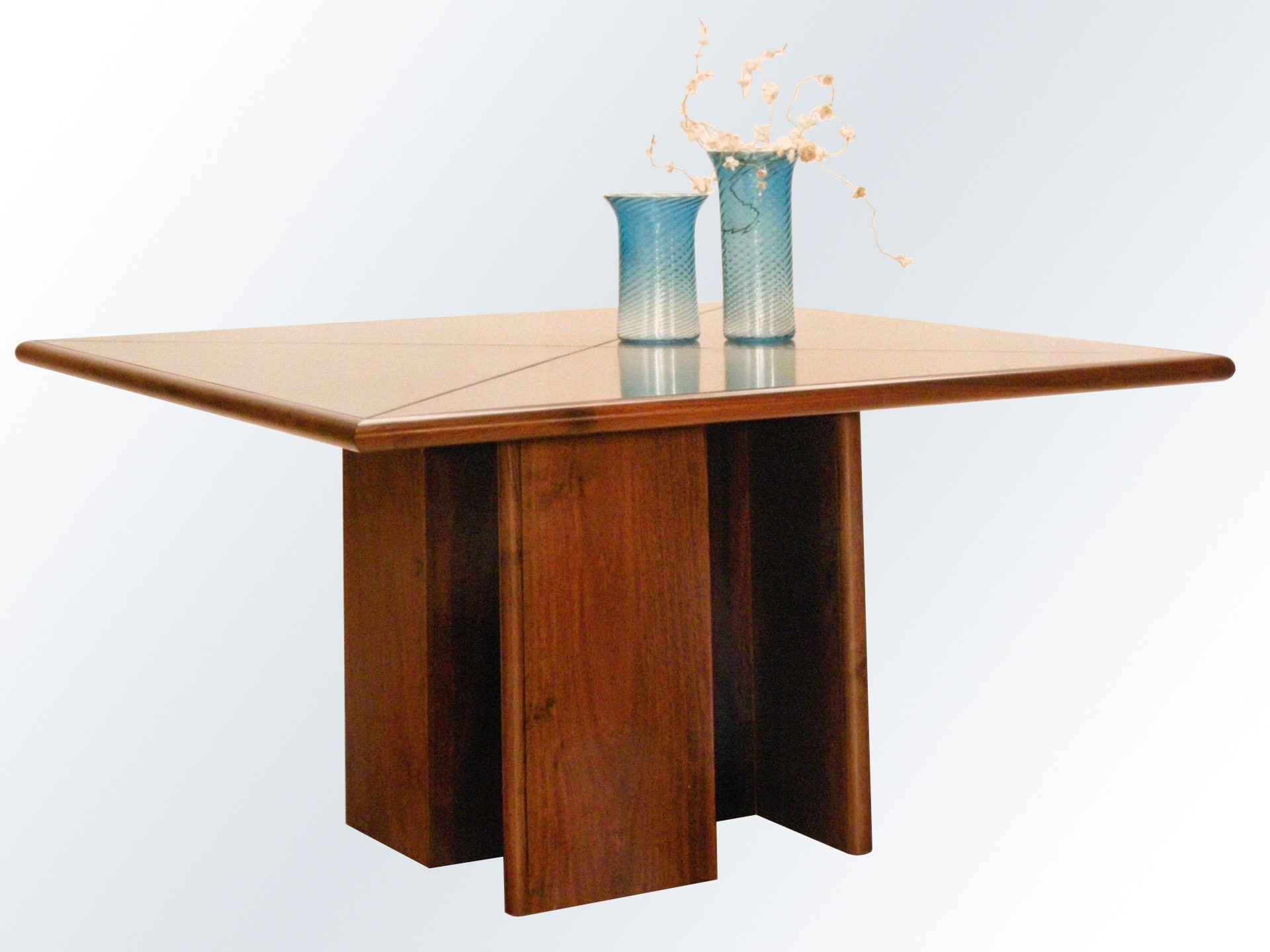
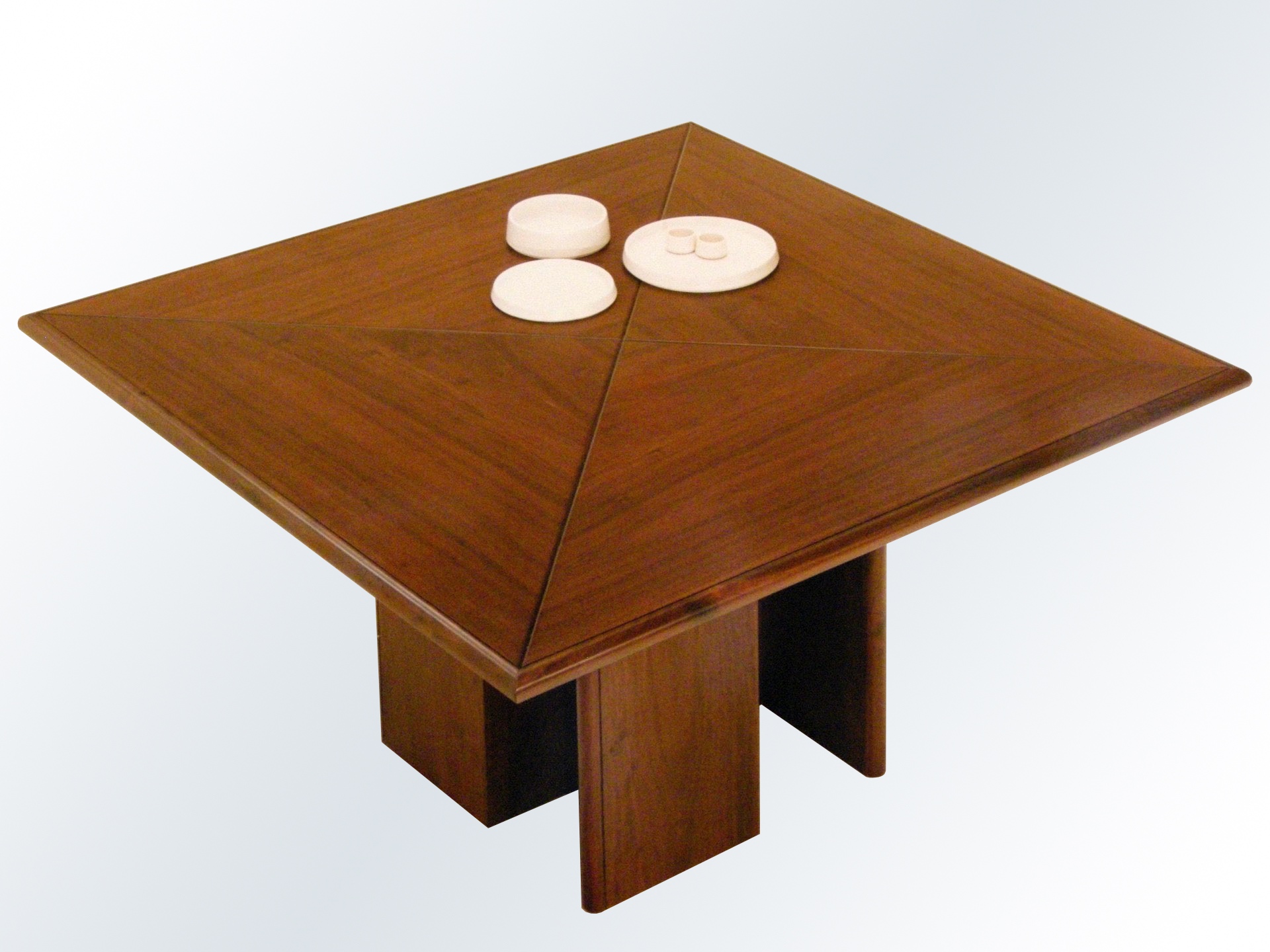
Plato Table, 1969
cm 138 x 138 x h 76
in walnut
Giotto Table, 1992


Giotto Table, 1992
cm 180 x 105/73 x h 75 closed
cm 290 x 105/73 x h 75 open
in walnut
Grazia Table, 1974
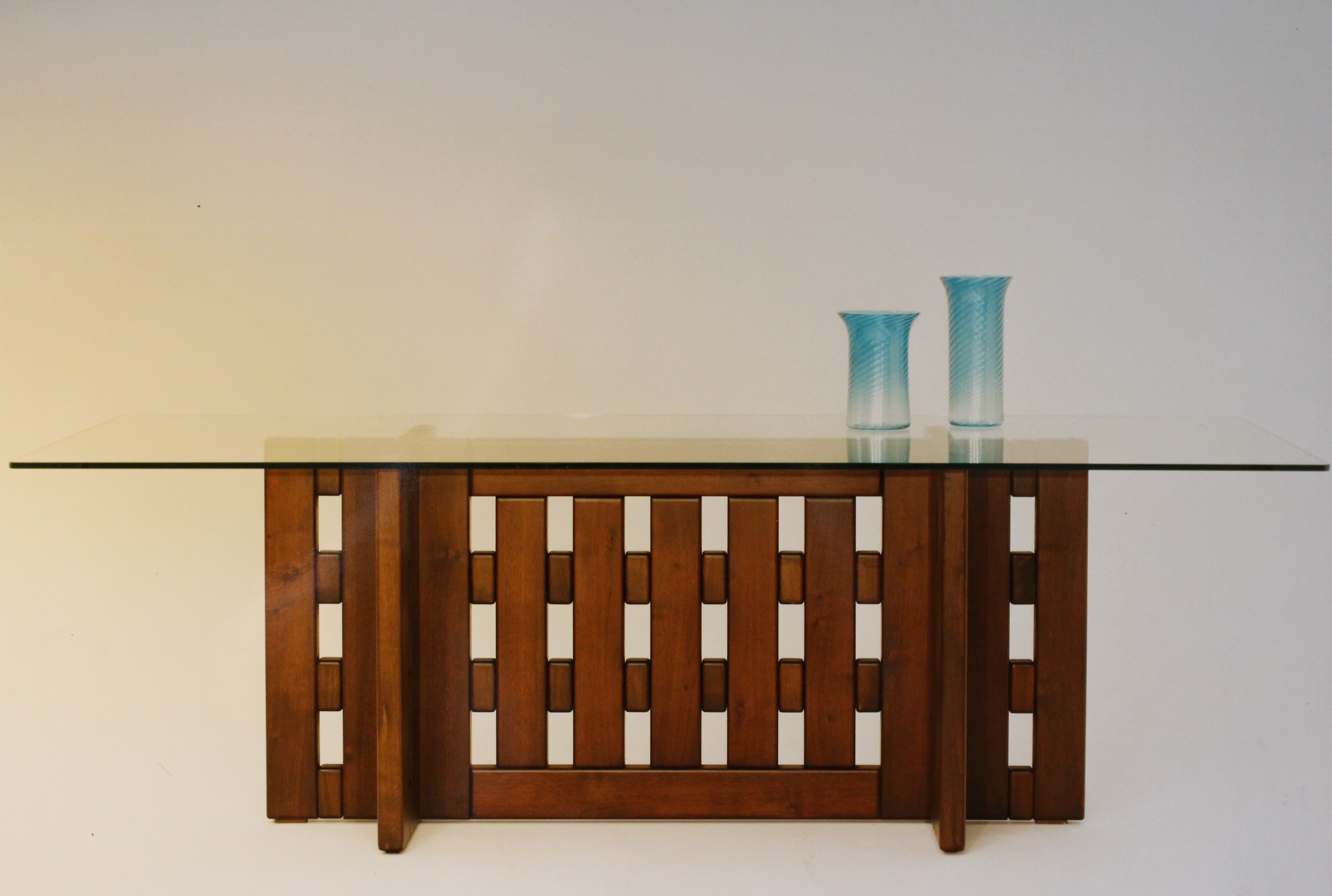
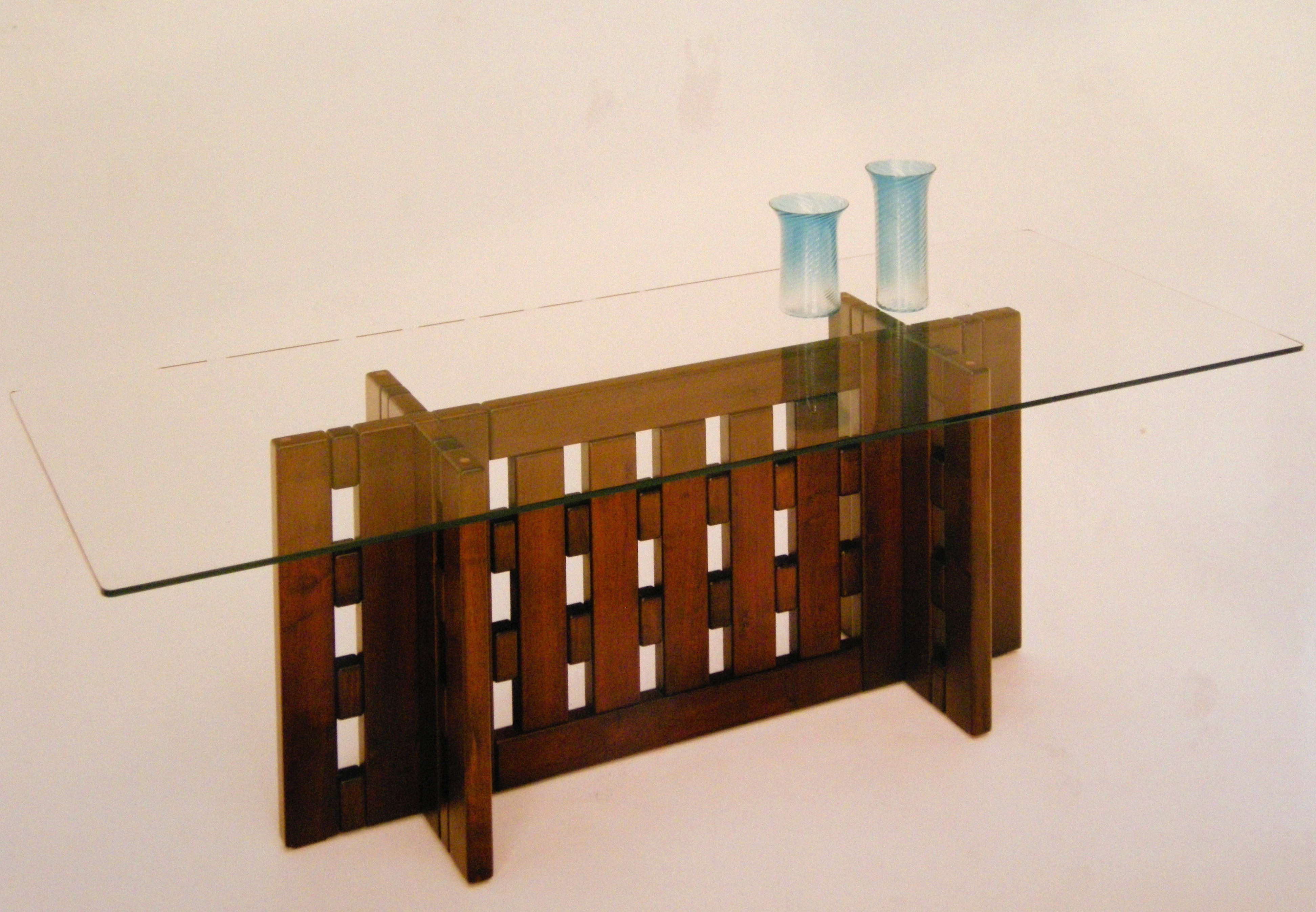
Grazia Table, 1974
cm 250 x 90 x h 76
in walnut and glass
Appoggio Small Table, 1972


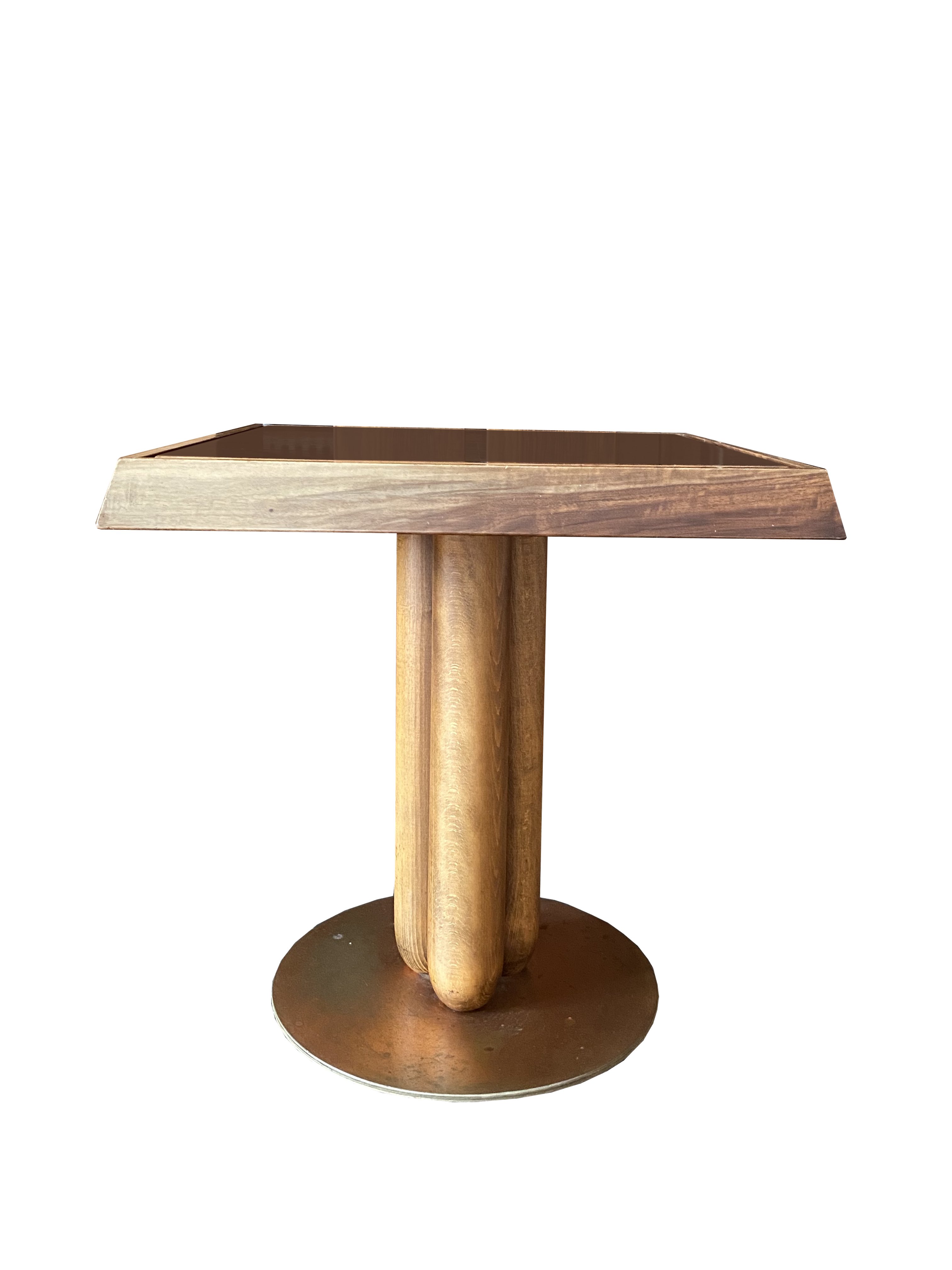
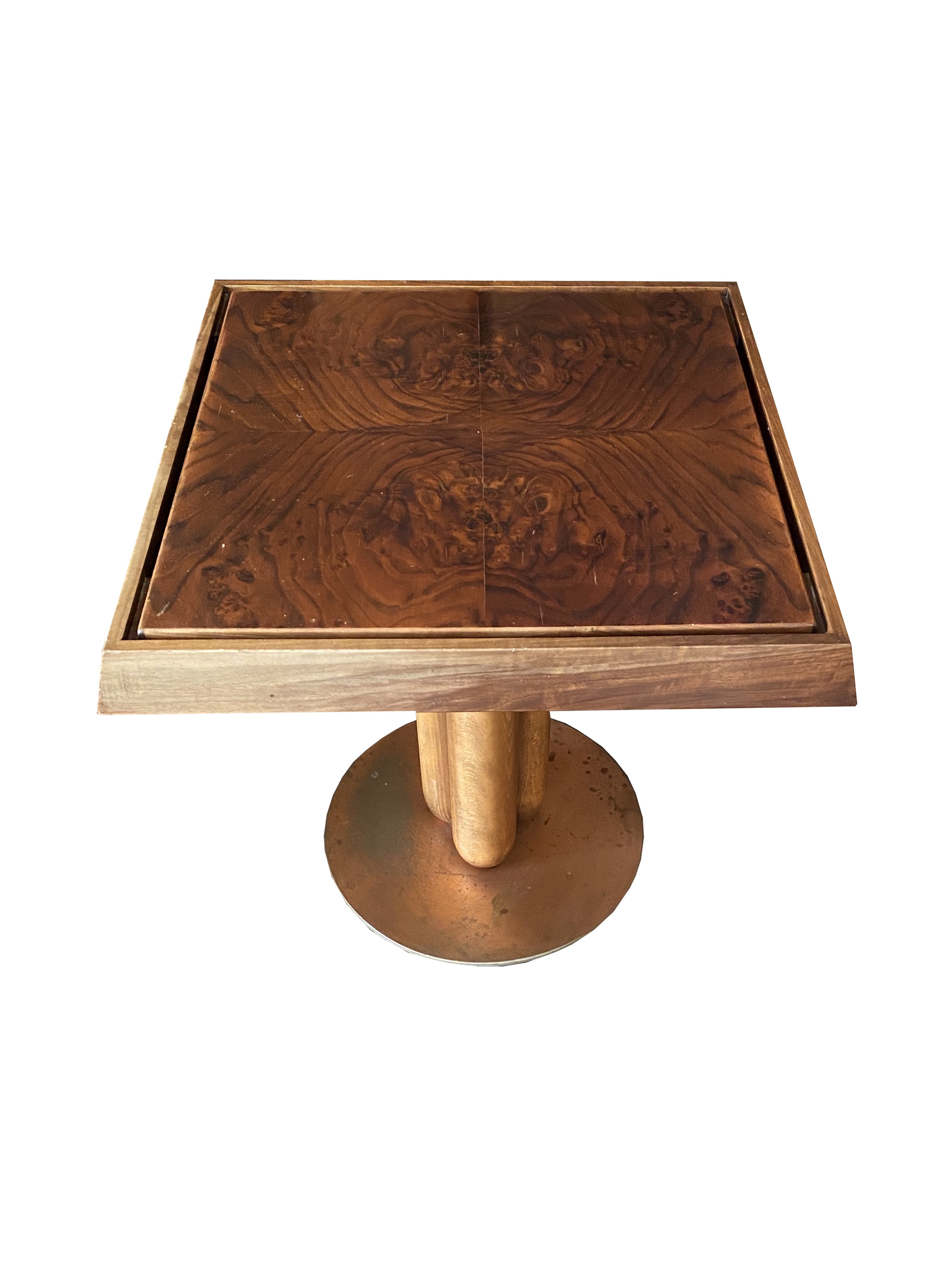

Appoggio Small Table, 1972
cm 65 x 65 x h 67,5
In walnut with copper base, number three turned columns, frame in walnut and top in walnut briar
Giotto Chair, 1987


Giotto Chair, 1987
cm 45 x 45 x h 90
in cherrywood
Cimabue Chair, 1994


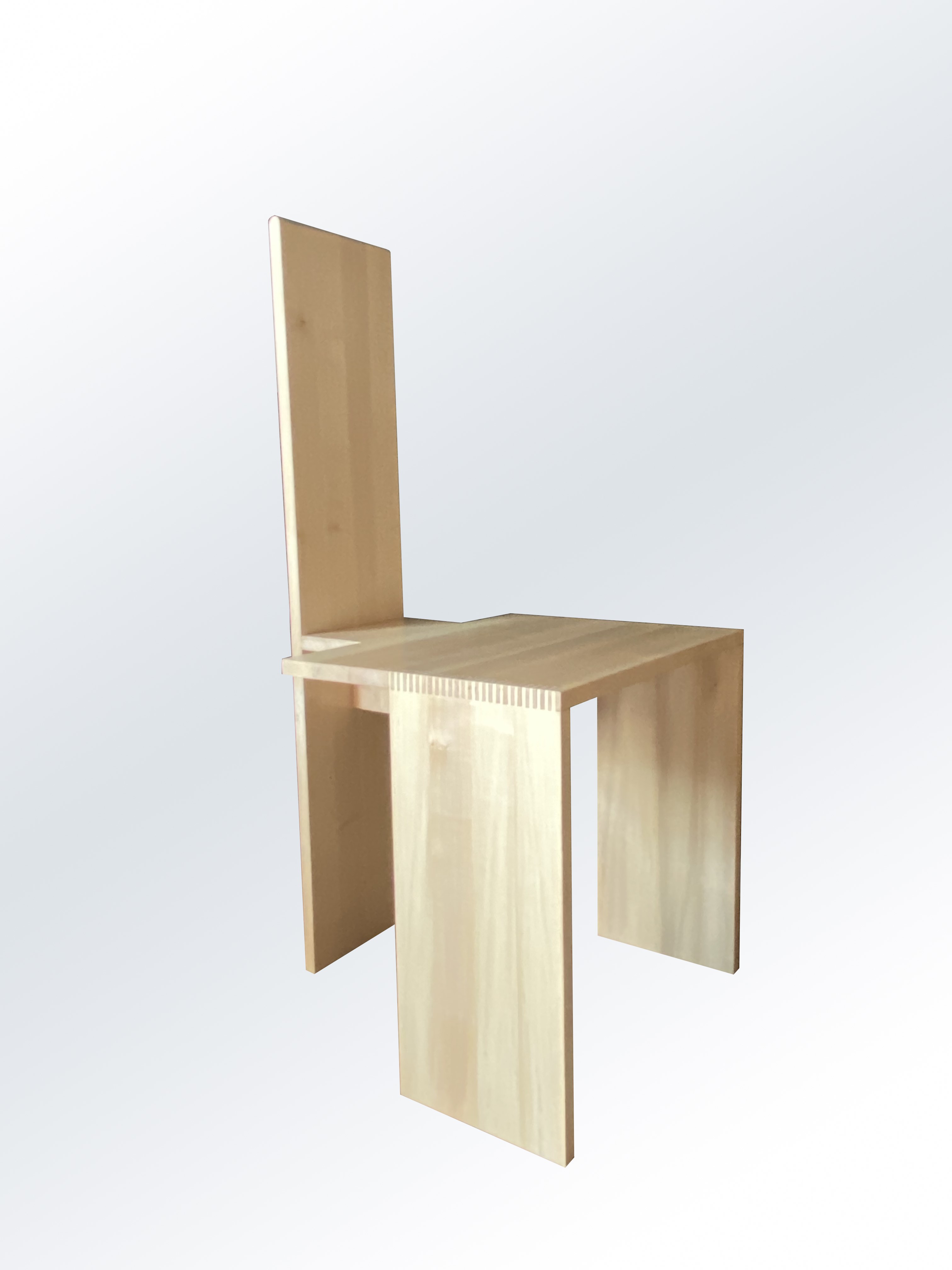
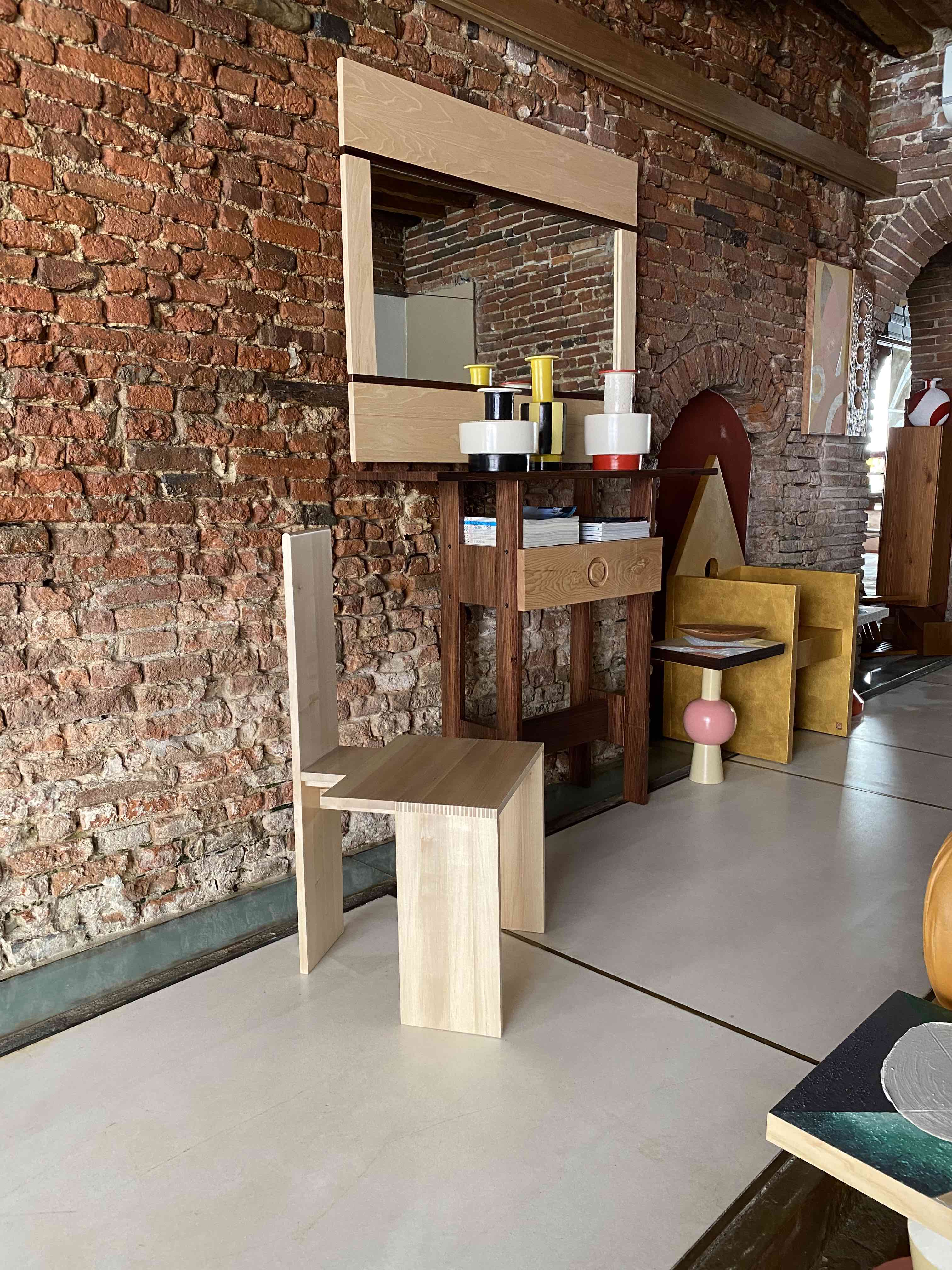
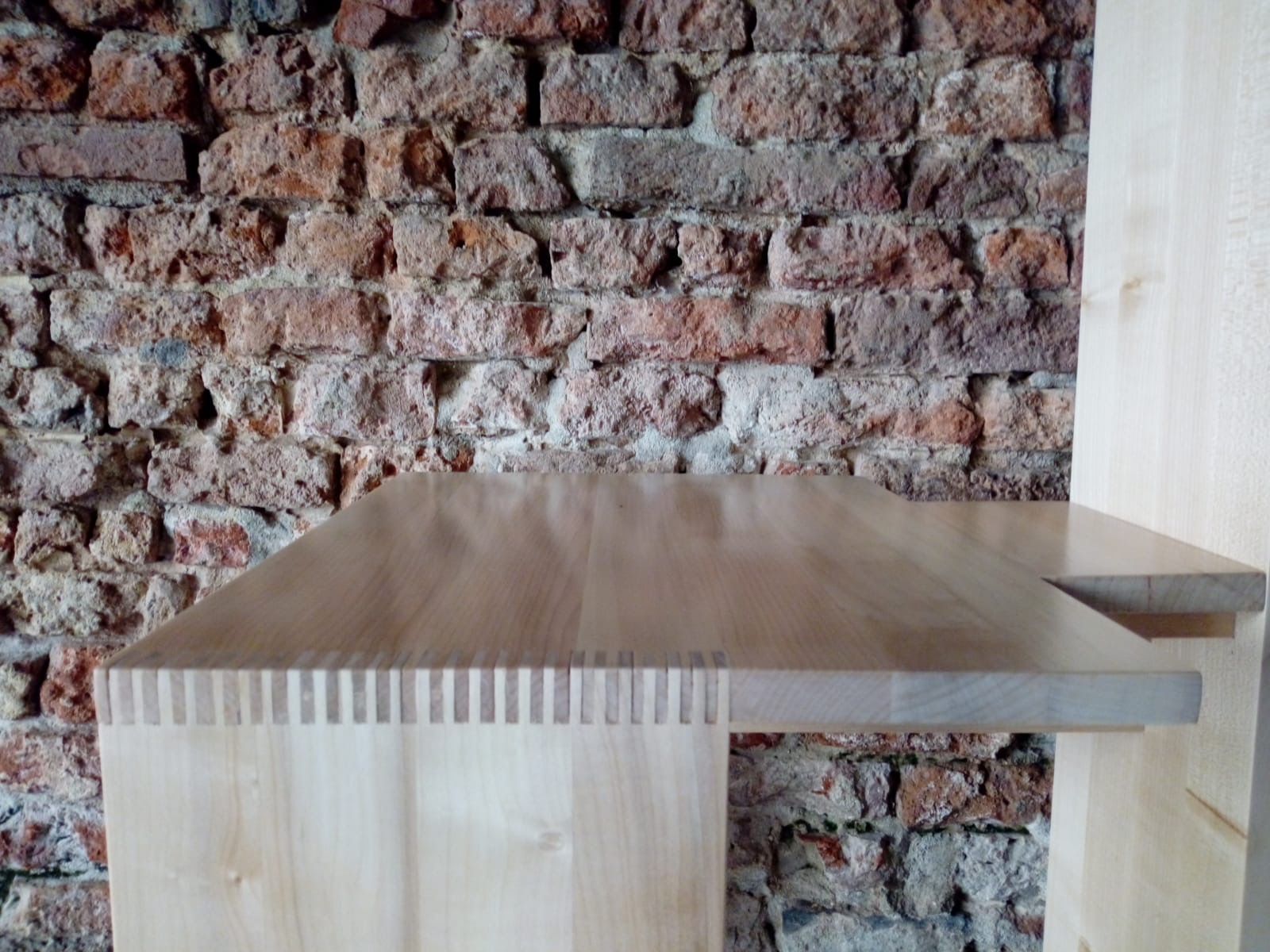
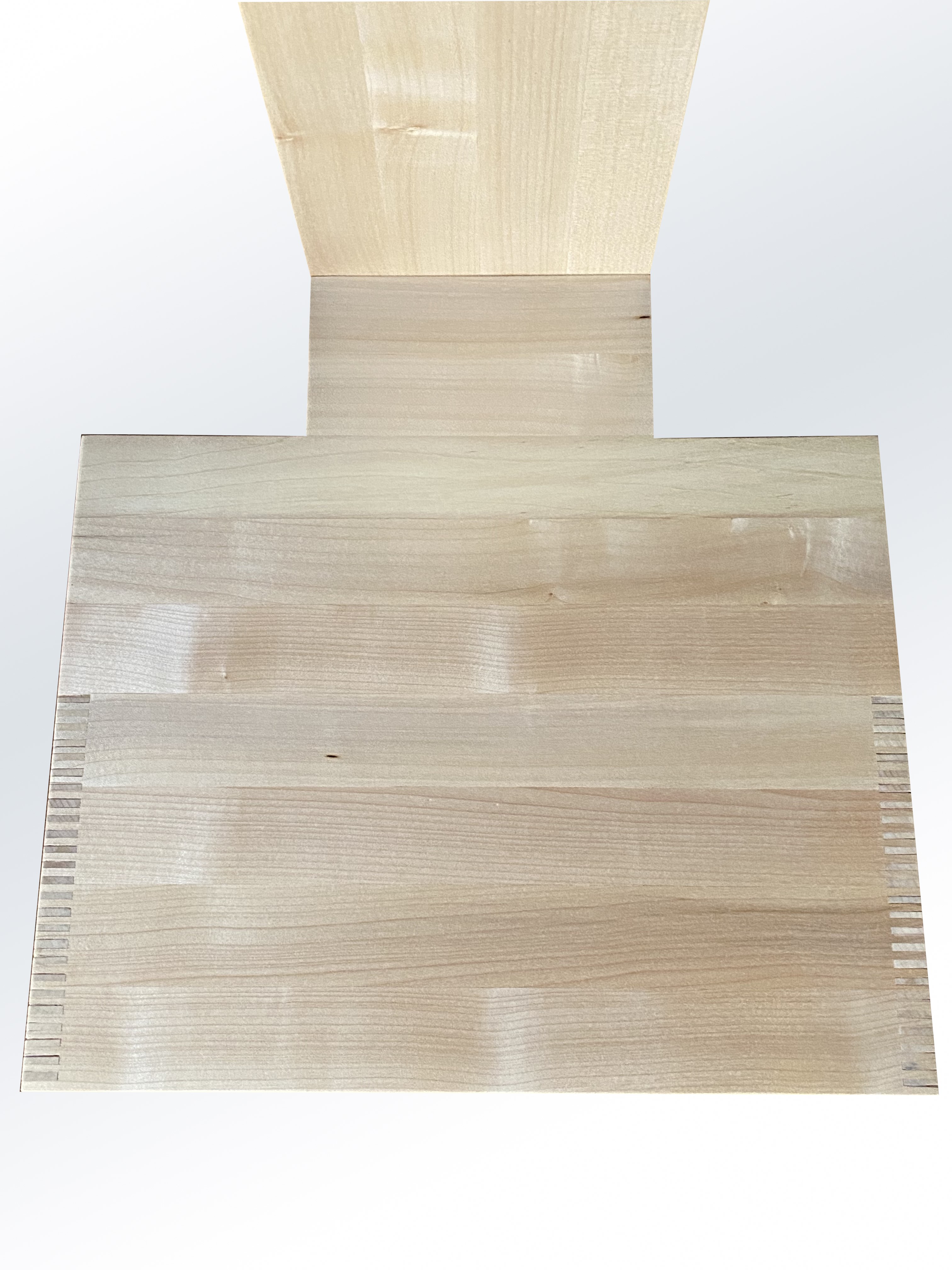


Cimabue Chair, 1994
cm 45 x 46 x h 95
in maple wood
Punteggio Coffee Table, 1992

Punteggio Coffee Table, 1992
cm 150 x 80 x h 25 and cm 120 x 120 x h 25
in wengè and glass
Quadro Coffee Tables, 1969


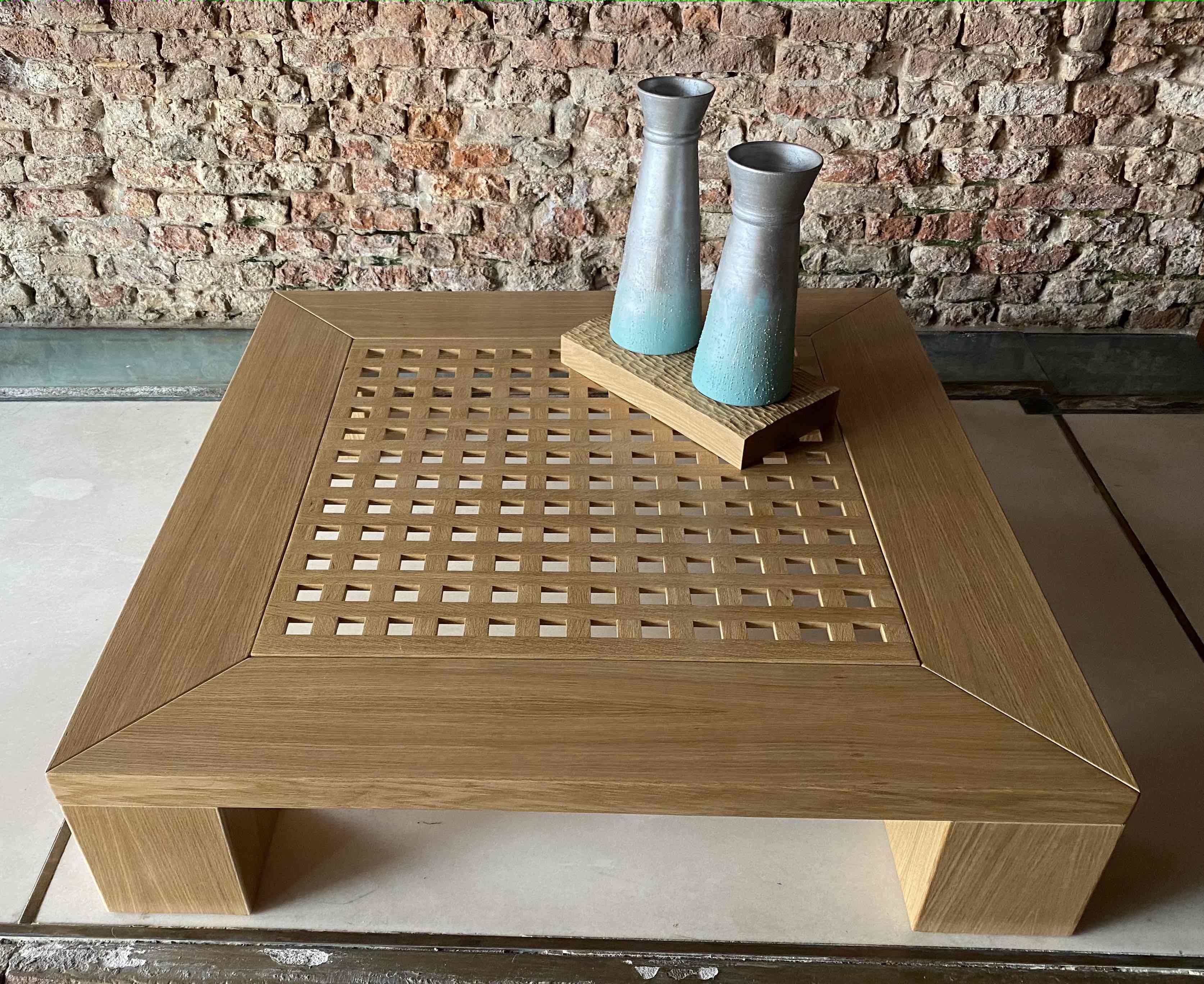

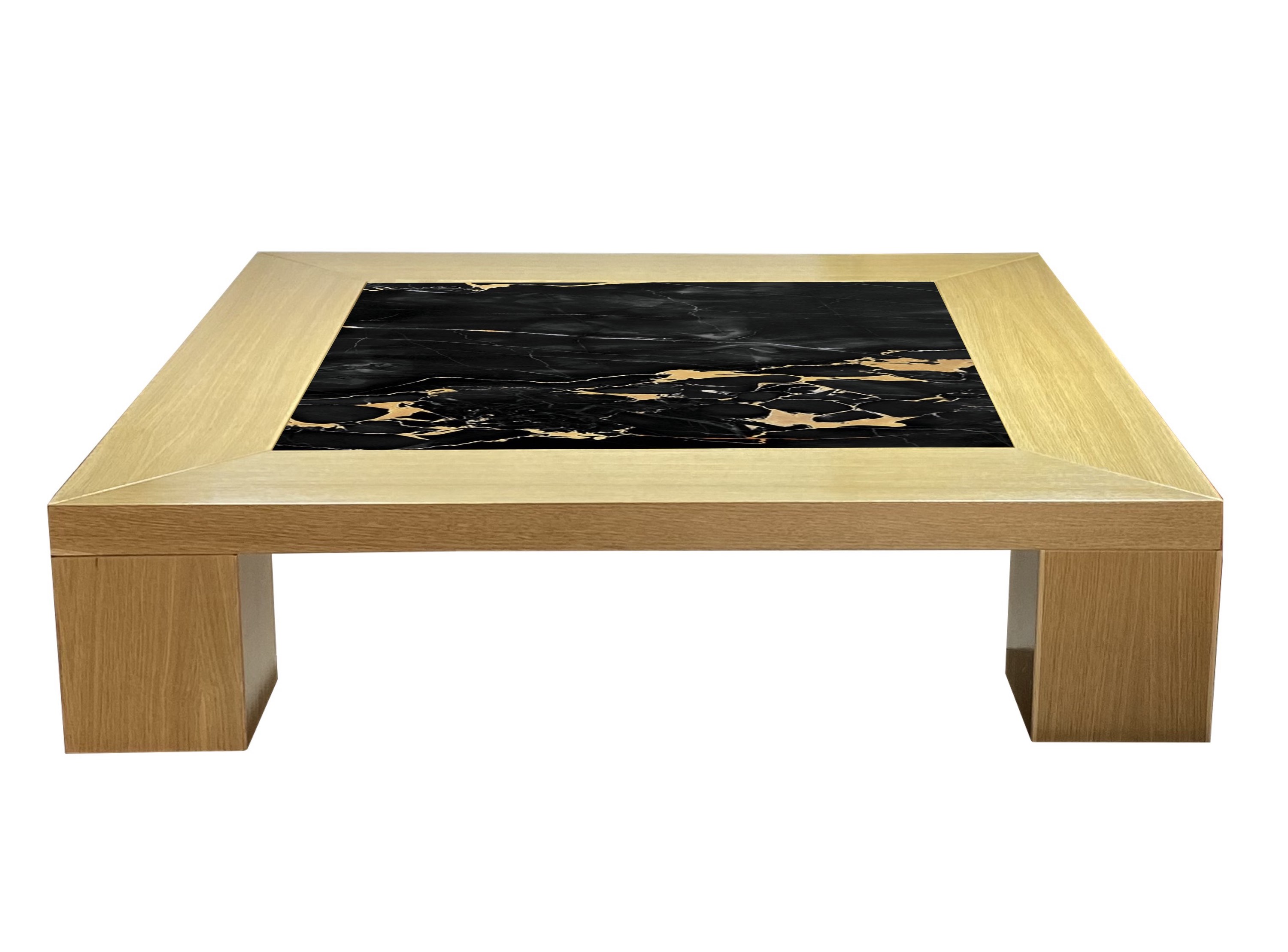
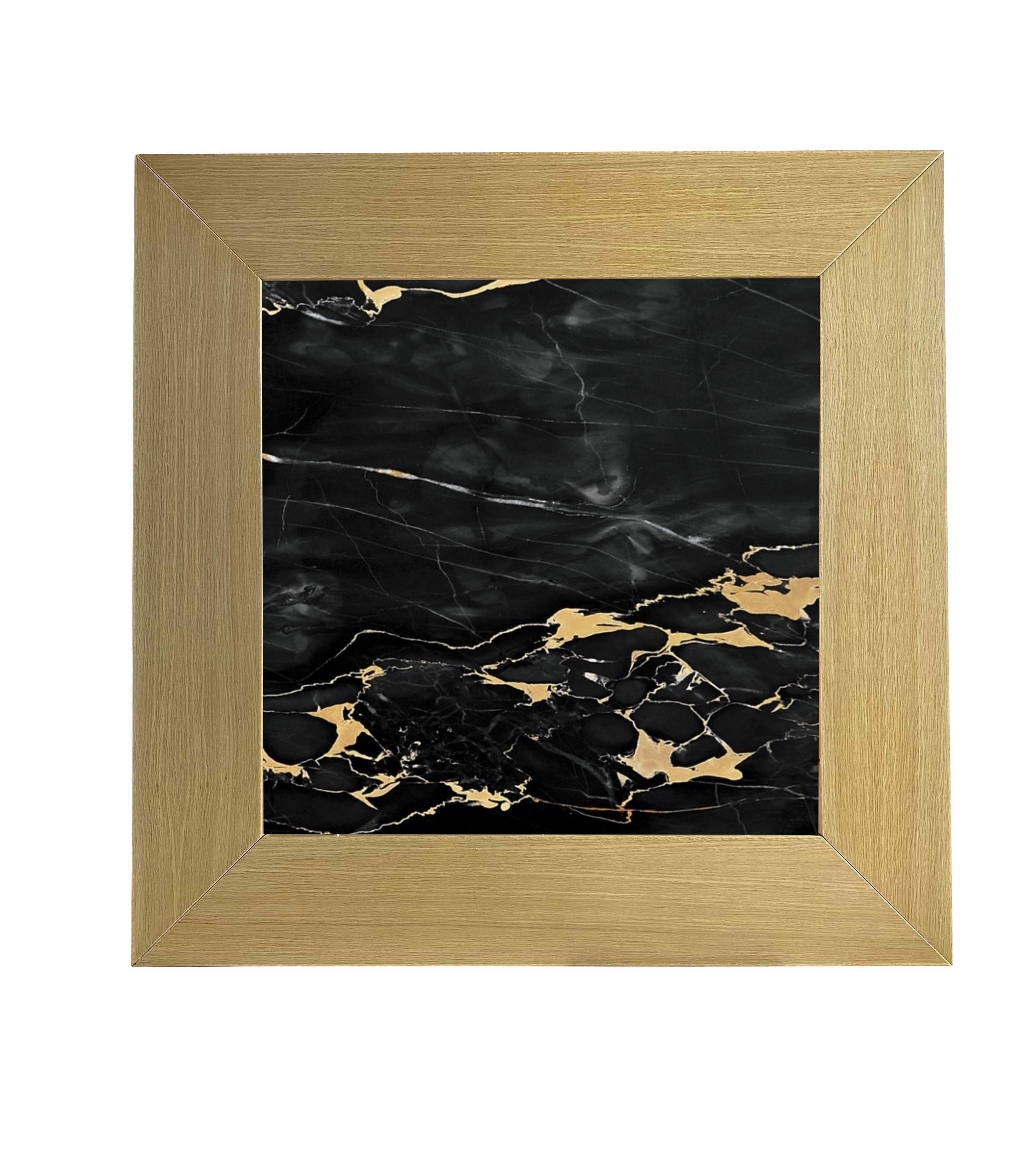
Quadro Coffee Tables, 1969
cm 90 x 90 x h 30
cm 111 x 111 x h 25
in walnut and oak


Old Catalog Meccani
Thai Secrètaire, 1975


Thai Secrètaire, 1975
cm 120 x 60 x h 170
in wengè and padouk
Modulo Bookcase, 1992

Modulo Bookcase, 1992
cm 41 x 41 x h 201
in walnut briar
Luigi Collection, 1996

Luigi Bookcase
cm 208 x 62 x h 260
in cherrywood

Luigi Sideboard
cm 205 x 53,5 x h 90,5
in cherrywood


Luigi Glass-Cupboard
cm 155 x 53,5 x h 190,5
cm 105 x 53,5 x h 190,5
in cherrywood

Luigi Sideboard TV
cm 255 x 62 x h 66
in cherrywood
Campo di Siena, 1988


Campo di Siena candy holder, 1988
cm 45 x 33 x h 11
cm 44 x 33 x h 31
in marble and oakwood
Libro table, 1970


Libro Table, 1970
cm 110 x 110 x h 76 closed
cm 220 x 110 x h 72 open
in walnut and cherrywood
Marasmo Sideboard, 1994


Marasmo Sideboard, 1994
cm 198,5 x 55 x h 78
in walnut
Olandese Table, 1969


Olandese Table, 1969
cm 120 x 90 x h 76 closed
cm 200 x 90 x h 73 open
in walnut
Plato Sideboard, 1969

Plato Sideboard, 1969
cm 240 x 60 x h 200
in walnut
Diana Glass-Cupboard, 1975


Diana Glass-Cupboard, 1975
cm 100 x 40 x h 200
in walnut
Mirror, 1961


Mirror, 1961
cm 52 x 6,5 x h 85
in oakwood
Paintings and Sculptures

Oil painting on canvas, 1969
cm 45 x h 55

Oil painting on canvas, 1970
cm 50 x h 70

Oil painting on canvas, 1970
cm 60 x h 100

Drawing on paper, 1969
cm 64 x h 83

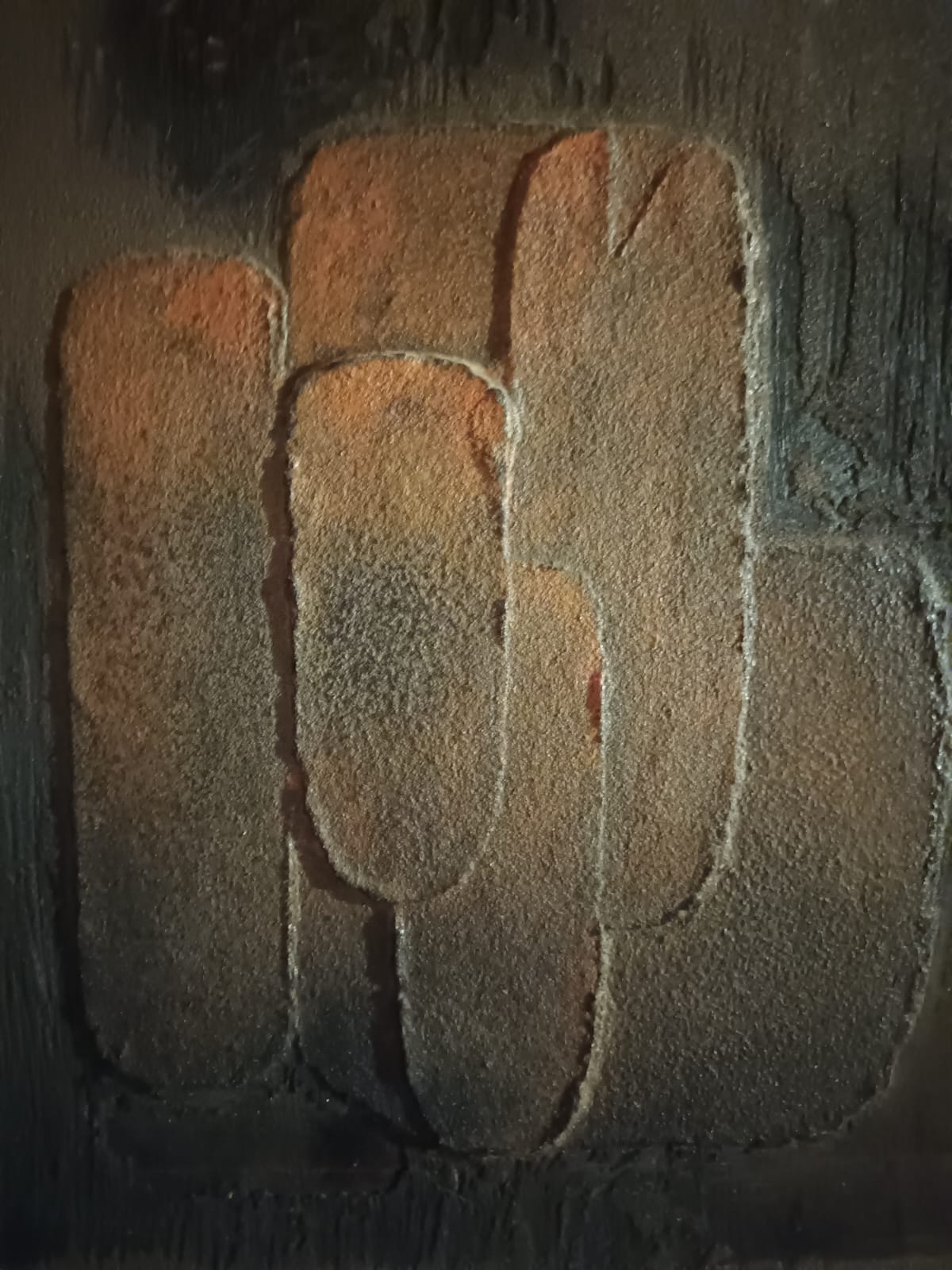
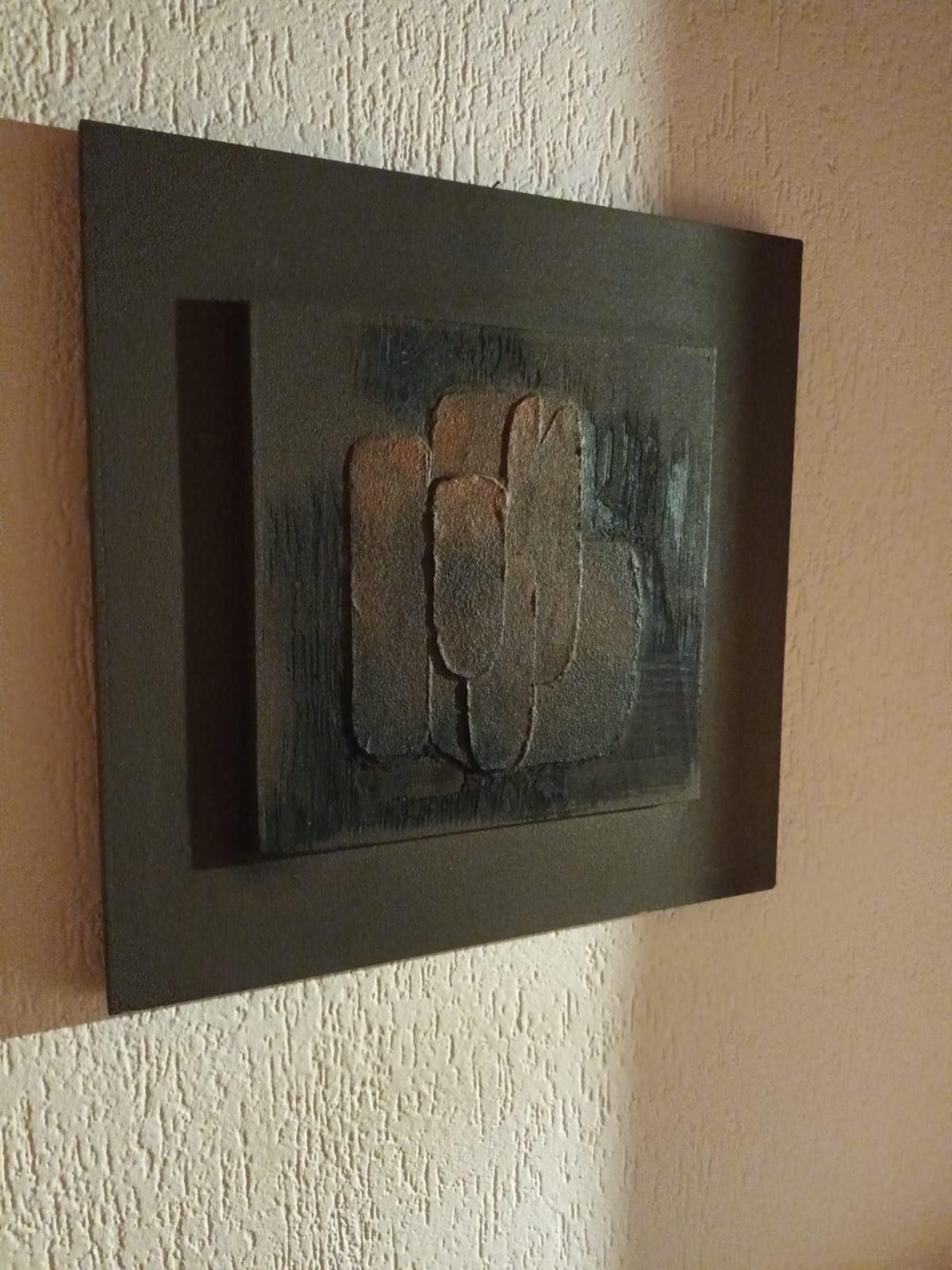
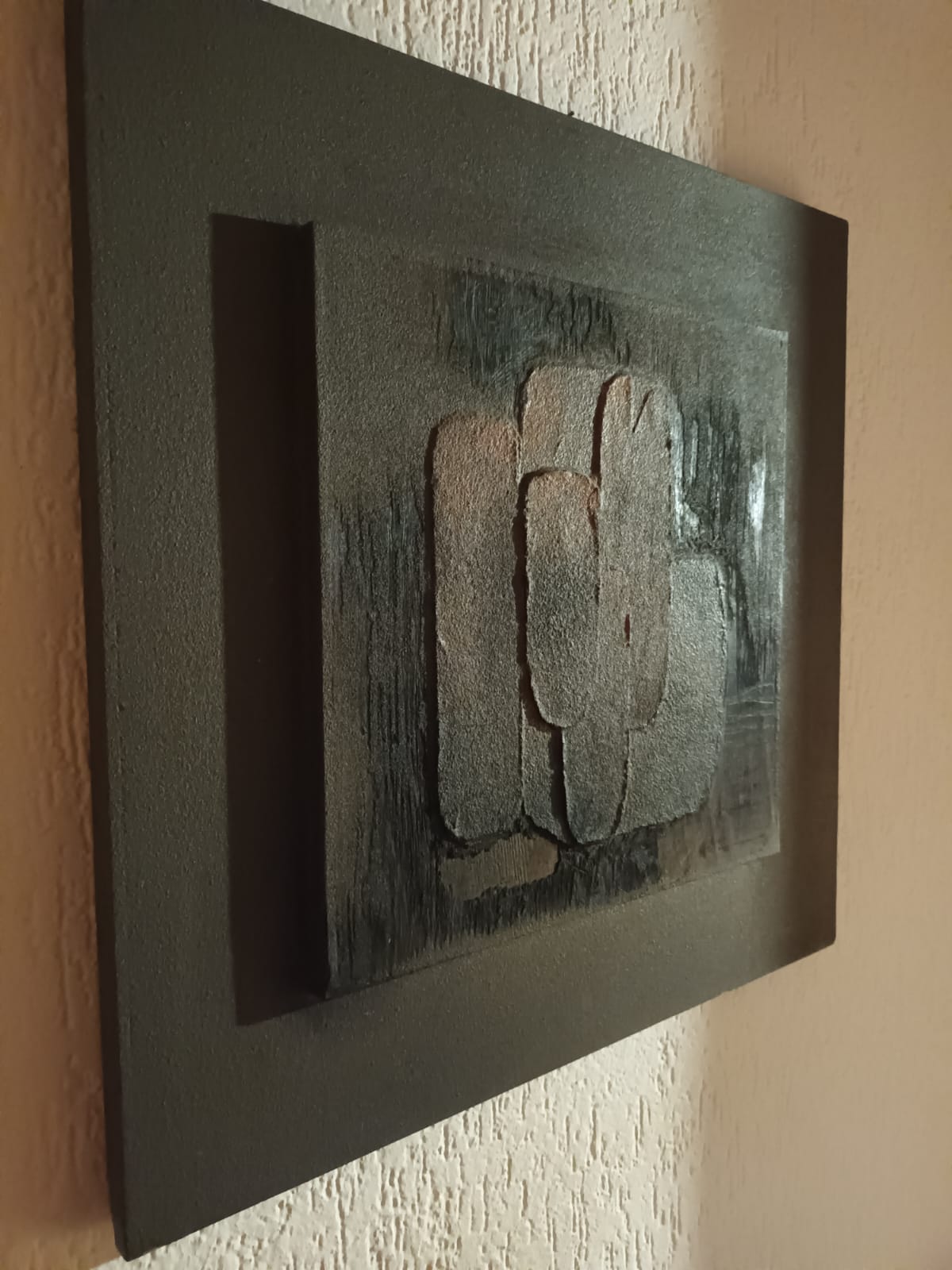
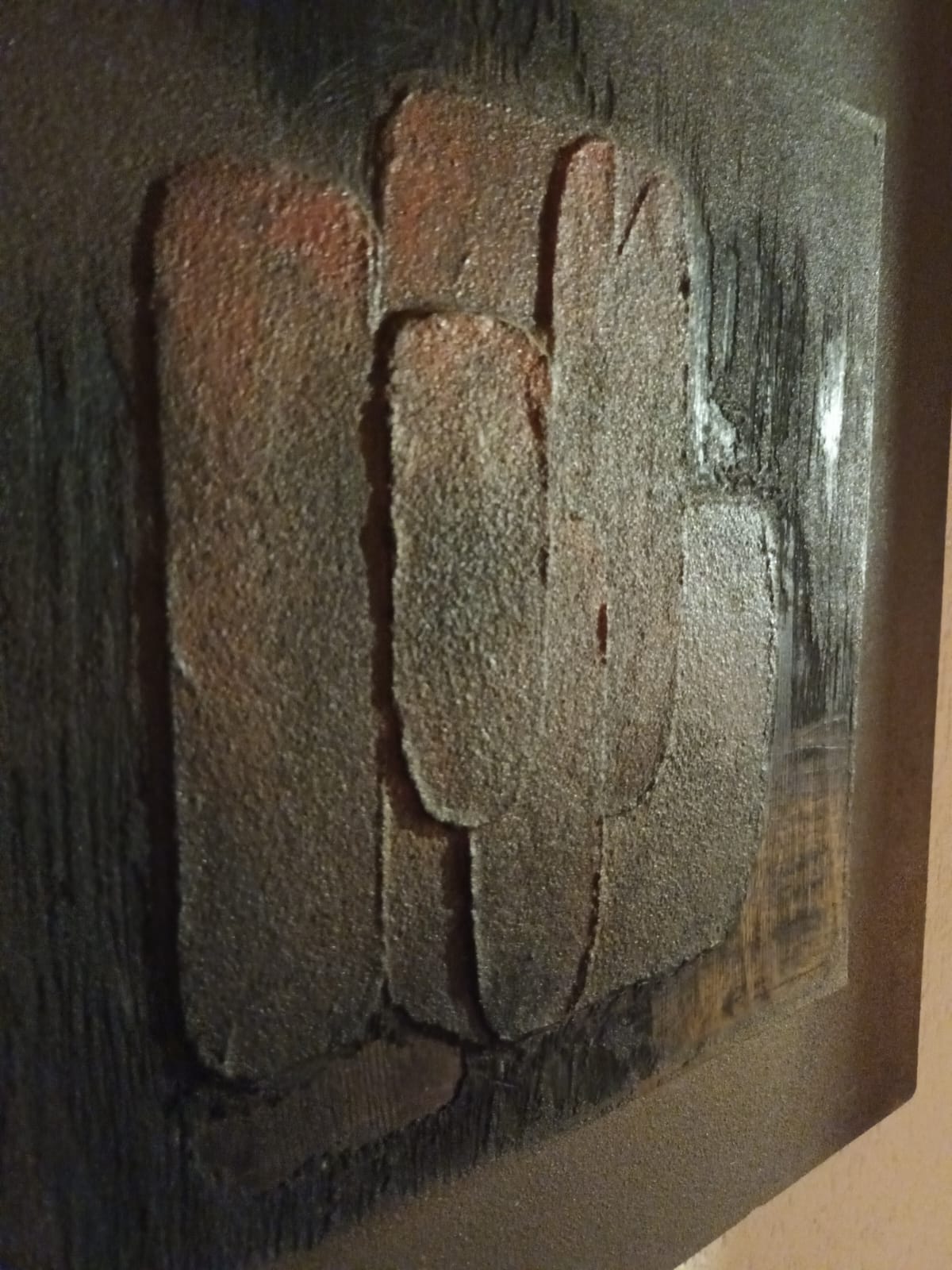
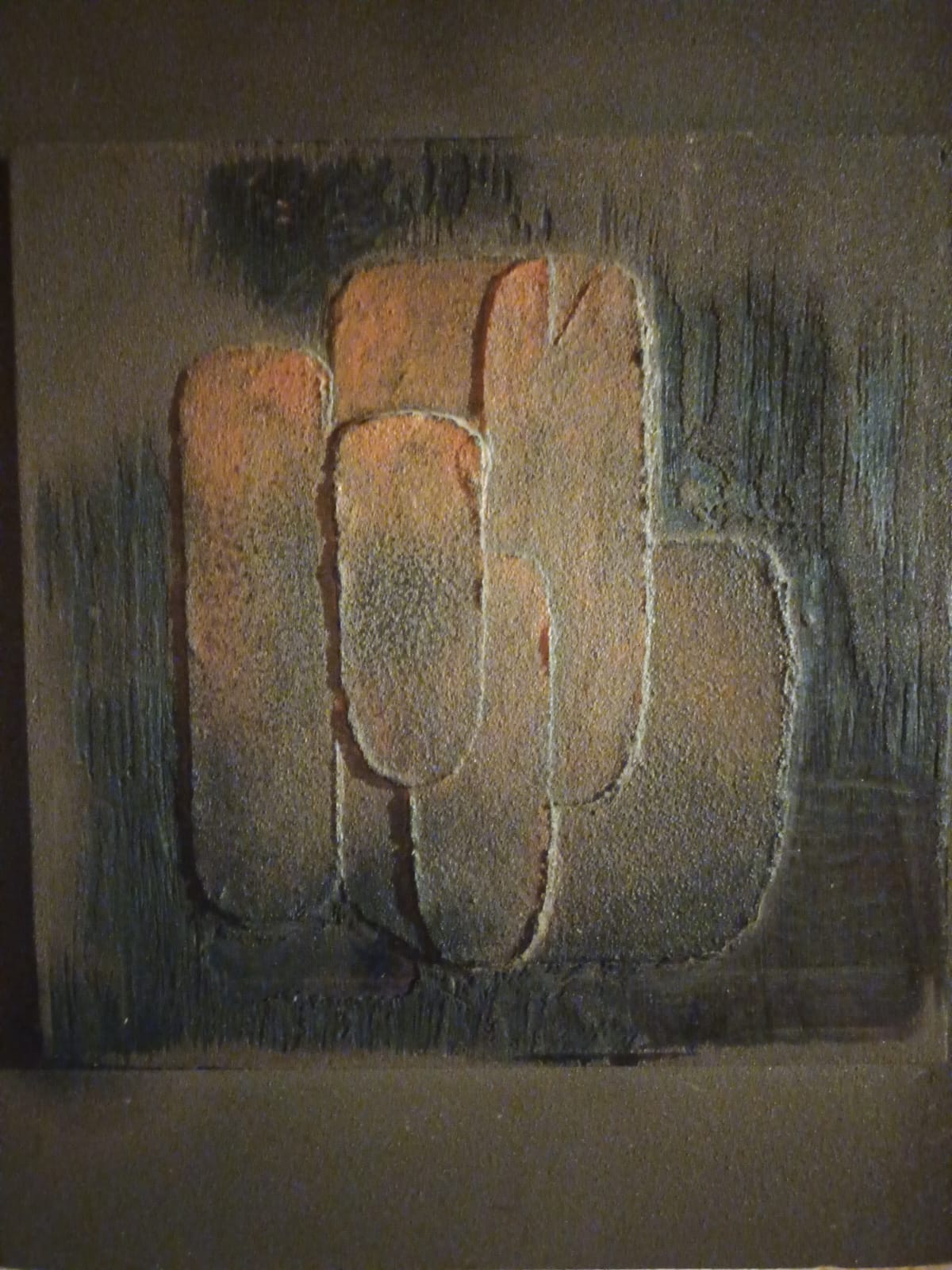
Oil panting on wood, 1970
cm 52,5 x h 52,5
Oil paint with glue and sand on wood
"Materia" is the title of the painting.
Sculpture and painting also intersect in other works by the author.
Dark colors are unusual
Bas-relief, misterious....

Pencil on paper, 1969
cm 64 x h 83

Oil panting on wood, 1970
cm 53,5 x h 75,5

Oil panting on wood, 1970
cm 47 x h 75

Oil panting on wood, 1970
cm 40,3 x h 65,3

Oil panting on wood, 1970
cm 40 x h 60

Oil panting on wood, 1969
cm 40 x h 60

Oil panting on wood, 1969
cm 50 x h 70

Painting on cardboard, 1959
cm 53 x h 38


Oil panting on wood, 1968

Mixed Technique, 1972
cm 56,5 x h 95,5
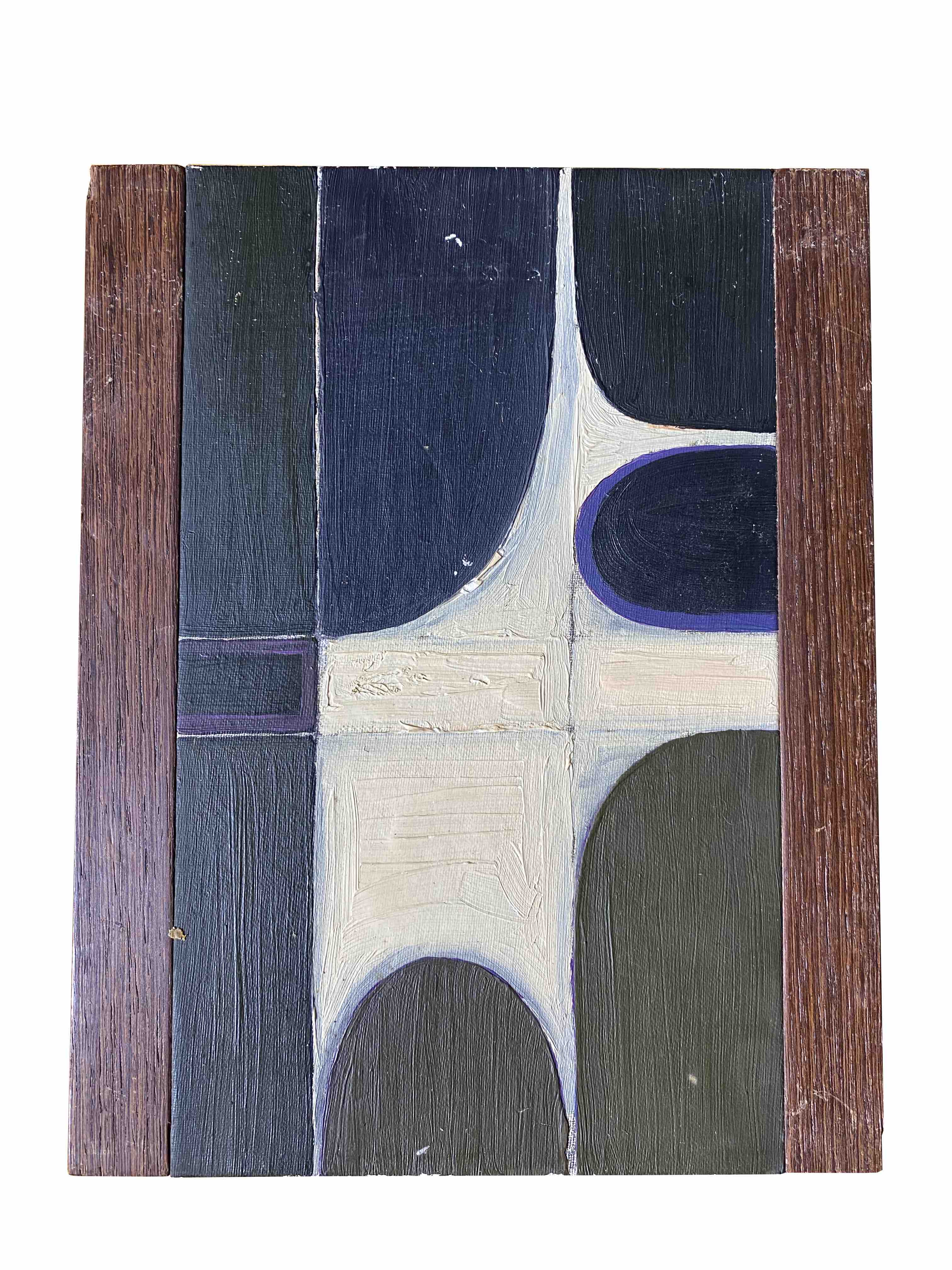
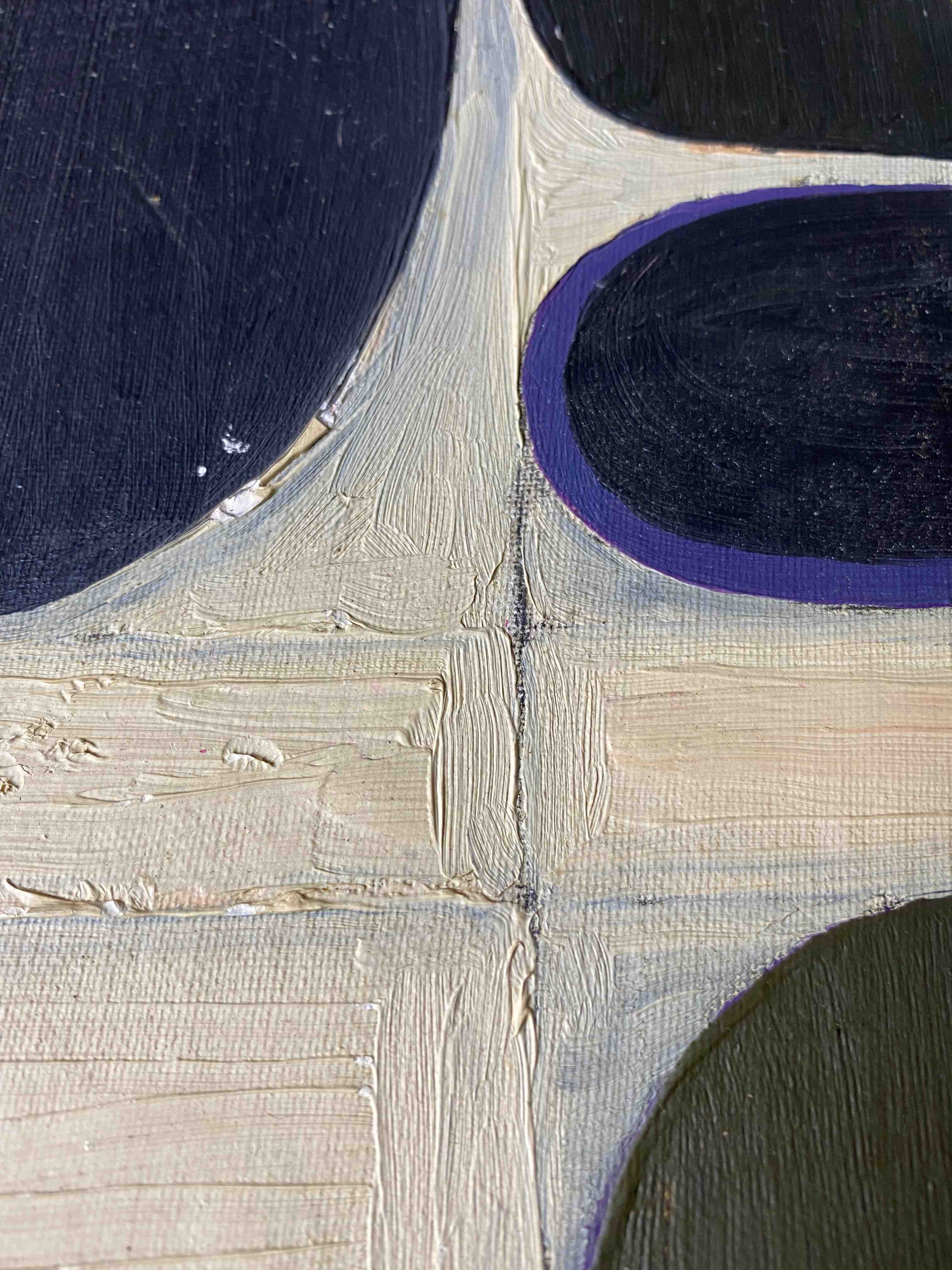
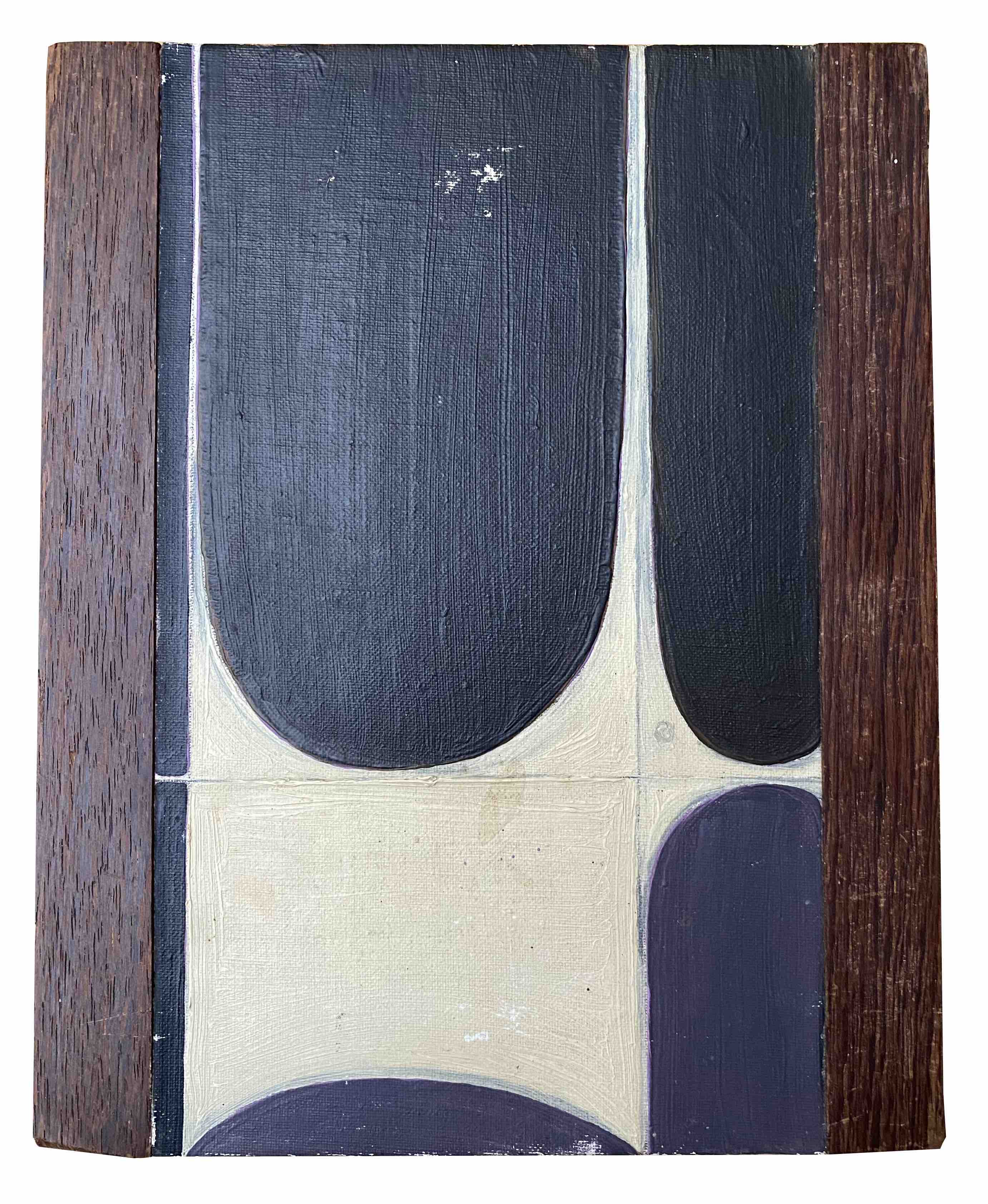
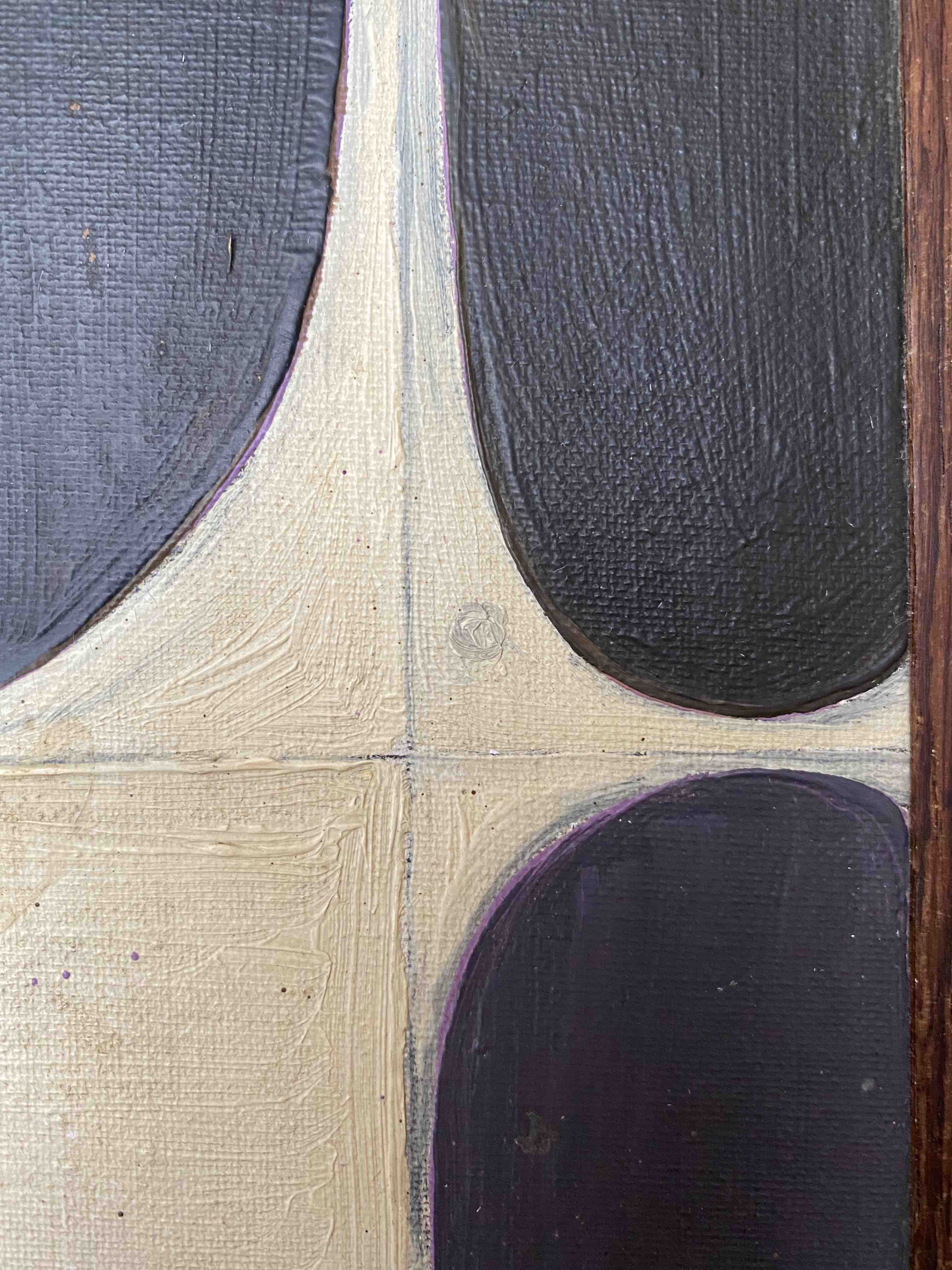
Vela oil panting on wood, 1968
cm 20,5 x 5 x h 25
cm 20 x 6,5 x h 25

Oil and sand on wood, 90s
cm 150 x 150

Oil and sand on wood, 90s
cm 150 x 150

Oil and sand on wood, 90s
cm 150 x 150
Abstract work on Cardboard, 1969
cm 50 x h 70


Wood Sculpture, 1970
cm 55 x 35 x h 65


Archival documents
è Calamai
Some of the most beautiful showrooms in Florence
from the 60s
Company furnishings Calamai Florence
Ferdinando Meccani projectsUgolini, Raspini, Beltrami, Cresti, among others

Interiors


Architecture

Exhibition Ferdinando Meccani - Opere di design degli anni '60 e '70 - La ricerca delle proporzioni - Cascina (Pisa)
1 May 2022 - 30 June 2022

Exhibition Ferdinando Meccani - Design ed Arte - Cascina (Pisa)
1 September - 31 December 2022